
1. Chicago, Illinois
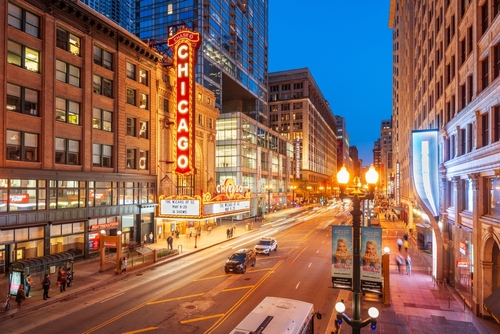
Chicago’s world‑class culture, major economic sectors, and architectural allure made it seem like an easy choice for urban living. Many newcomers thought that big‑city prestige meant a reliably safe environment. Instead, Chicago’s high profiles in both violent and property crime surprised people who expected the city’s size and wealth to offer extra stability. Safety became a conversation topic for many residents faster than they’d anticipated.
Yet even within Chicago, conditions vary wildly by neighborhood, with some areas extremely safe and others struggling with crime. New arrivals often underestimated how much local context matters here. Reputation and reality diverged sharply for a lot of movers. That made Chicago feel like a trickier safety bet than its cultural status implied.
2. Baltimore, Maryland
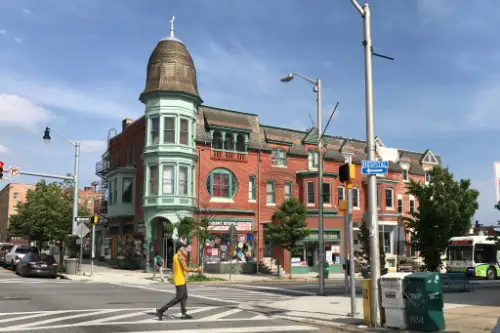
Baltimore’s rich history, world‑class museums, and major universities made it look like a full package for new residents. People expected a stable East Coast city with culture and opportunity around every corner. What surprised many was how consistently high violent crime remained in parts of the city despite those assets. For newcomers, the contrast between tourist‑friendly districts and rougher neighborhoods was sharper than expected.
At the same time, structural challenges like concentrated poverty and resource gaps made citywide improvements hard to sustain. Residents often felt safer living near Hopkins or the Inner Harbor than in surrounding communities. That imbalance caught a lot of people by surprise. It made clear that reputation and reality don’t always align when it comes to safety.
3. Memphis, Tennessee
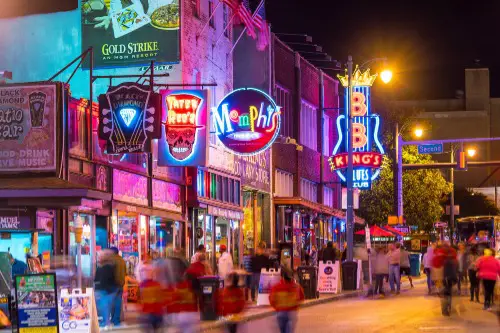
Memphis’ fame for blues music, barbecue, and Beale Street made it seem like a lively and secure Southern city. Many people moving there assumed culture and community would equal safety. But long‑standing crime issues — particularly in violent and property categories — have persisted at levels much higher than national norms. That was a rude awakening for transplants expecting a smooth transition.
The divide between busy tourist zones and quieter residential neighborhoods turned out to be more dramatic than most newcomers anticipated. Cultural hotspots can feel safe, but they don’t always reflect wider city conditions. Some residents found themselves navigating areas where services and policing felt stretched thin. Instead of a safe urban retreat, Memphis was often a lesson in how complex safety can be.
4. Portland, Oregon
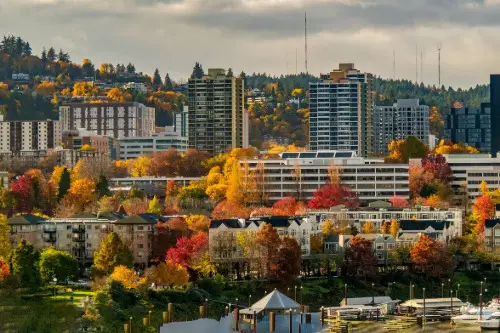
Portland was painted as the ultimate progressive, community‑centric city with green spaces, microbreweries, and gentle west coast living. Folks relocating there often imagined a peaceful, harmonious environment. Instead, rising property crime rates and well‑documented struggles around homelessness and public disorder surprised many. Unexpectedly, safety perceptions became a real talking point among locals.
Add in a rising cost of living that many underestimated, and the city started to feel less like a laid‑back refuge and more like a place with tough trade‑offs. People found that beloved bike lanes and coffee shops didn’t automatically make a neighborhood feel secure. For lots of transplants, the mismatch between expectation and reality was jarring. Portland remained beloved, but it wasn’t the laid‑back safety bubble many assumed.
5. Seattle, Washington
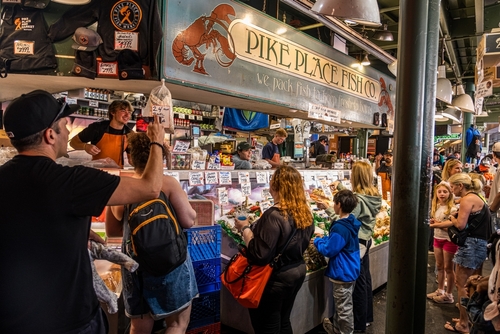
Seattle’s booming economy, iconic skyline, and Pacific Northwest allure made it look like a safe landing spot for tech workers and creatives alike. People moving in expected strong city services and seamless public safety. What they quickly noticed was that crime — especially property crime — tended to run above the national average. That clashed with the image of a sleek, polished city.
Couple that with high housing costs that some newcomers thought would keep neighborhoods safe, and you get a real surprise. The reality is that prosperity doesn’t automatically bring safety everywhere. For many residents, the city felt uneven: safe in one area, uncertain in another. That contrast between high hopes and lived experience reshaped many people’s views on Seattle.
6. Philadelphia, Pennsylvania
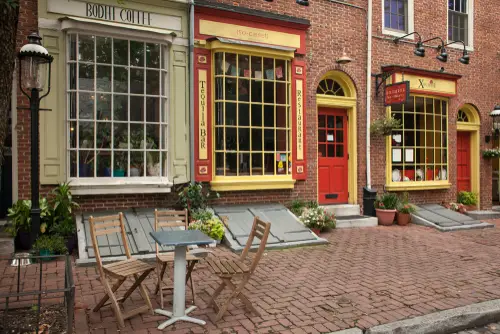
Philadelphia’s history, arts, and neighborhood character make it feel like the quintessential American city. Lots of people moved there thinking urban living meant both character and safety. Instead, citywide crime figures often came in above national averages, particularly in specific sections of town. That meant newcomers had to rethink where they felt comfortable going or living.
Many underestimated how much the experience could vary from neighborhood to neighborhood. The charming parts of Center City don’t reflect the reality in other zones. Residents realized quickly that Philly was not one uniform experience. The disconnect between iconic charm and safety statistics was tougher to reconcile than expected.
7. New York City, New York
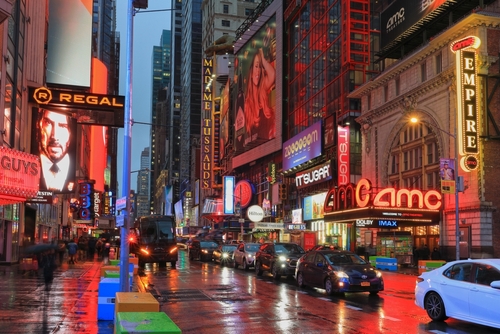
New York City has long stood as a global symbol of opportunity, diversity, and big‑city living. Many people who moved there assumed that its scale and constant activity meant safety by sheer numbers. While crime has dropped dramatically over decades, broader measures of safety that include housing costs, inequality, and infrastructure stress placed NYC lower than many expected. The result was confusion among residents used to hearing “NYC is safer than ever.”
People who relocated thinking the city was a simple success story found a more complicated reality. Parts of Manhattan and Brooklyn feel very secure, while other boroughs have tougher challenges. Residents felt that economic pressures sometimes intersected with safety in surprising ways. That made the city less of an unequivocal safe bet than its reputation suggested.
8. Stockton, California
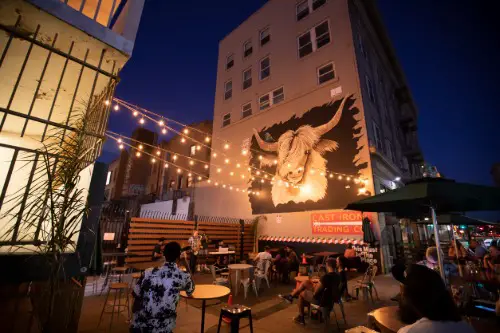
Stockton was once touted for its affordability in the pricey California housing market. Move‑in prices looked attractive amid statewide scarcity, and people expected a smooth transition. What they got instead were reminders of deep financial instability after the city became the first large U.S. municipality to file for bankruptcy. The recovery has been ongoing, and many assumed it would be quicker or cleaner.
Alongside economic recovery, crime and public‑service gaps during the toughest years left long shadows. Newcomers used to more stable municipal environments were taken aback by the pace of change and service limitations. Affordable housing came with trade‑offs that weren’t obvious at first glance. Stockton became one of those cities where the “too good to be true” price tags were exactly that.
9. Flint, Michigan
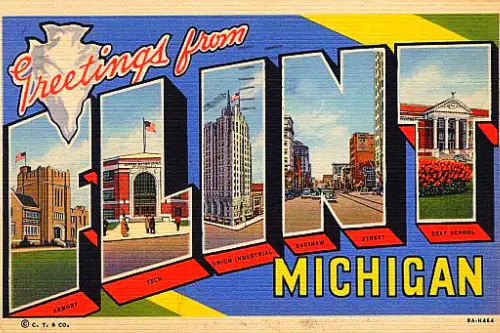
Flint was seen as a classic Midwestern post‑industrial city with community roots and lower housing costs. People moving there believed basic city services and infrastructure would support everyday life. But the water crisis revealed deep cracks in governance and infrastructure that altered perceptions permanently. What most assumed was safe — clean drinking water — suddenly wasn’t, at least for a period.
Even as recovery efforts continue, the psychological and demographic effects of the crisis stick with residents. Newcomers hoping for a quiet, cheap start found themselves navigating public health, trust, and recovery issues. Flint reminded everyone that safety isn’t just about crime — it’s about basic systems working as expected. The experience reshaped how people think about what “safe” really means in a city.
10. New Orleans, Louisiana
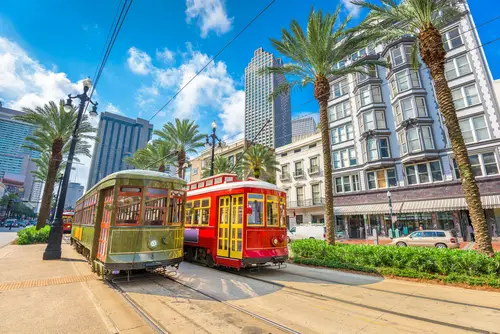
New Orleans’ global reputation for music, food, and festivals made it feel like a vibrant, inviting place to live. People from elsewhere pictured rich cultural life and neighborly charm. What many underestimated was how uneven safety could be in different areas of the city. Some neighborhoods feel bustling and welcoming, while others deal with persistent violent and property crime.
Meanwhile, repeated natural disasters — especially Hurricane Katrina — left ongoing challenges around housing, infrastructure, and services. Residents often found that recovery and safety were tied to where they lived and how resources flowed. Newcomers expecting a uniformly secure environment learned quickly about the city’s complex realities. That made New Orleans less of a simple safe bet than its allure might suggest.
11. Cleveland, Ohio
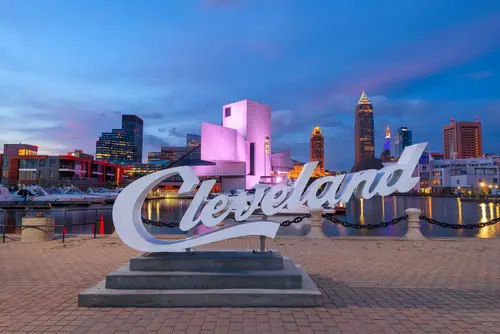
Cleveland’s affordable homes, big‑city amenities, and thriving healthcare sector made it sound like a no‑brainer choice for movers wanting urban life without big costs. Many believed that lower prices automatically translated to a safe, comfortable city. Instead, Cleveland’s crime rates stayed stubbornly above national averages in certain categories, surprising people without local context. Safety varied dramatically from neighborhood to neighborhood.
Economic and population challenges also made investment and services feel spottier than people expected. What looked like an up‑and‑coming city from afar had layers of struggle beneath the surface. Instead of smooth sailing, new residents often found themselves navigating uneven conditions. The contrast between low cost and complex reality became the biggest eye‑opener.
12. Houston, Texas
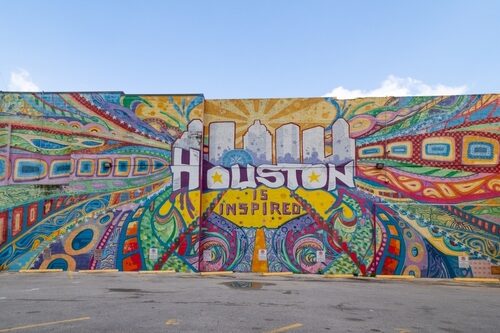
Houston’s booming job market, big‑city amenities, and comparatively affordable housing made it feel like a solid choice for relocation. People thought more opportunities meant better overall safety and stability. What they encountered in many areas was a city with crime rates above the national average, especially for property crime. The sheer size of Houston also meant safety could vary wildly from one neighborhood to the next.
Newcomers without local insight often picked areas that didn’t meet their expectations. Traffic and infrastructure challenges compounded stress in daily life. Instead of feeling seamless and secure everywhere, residents found stark contrasts across the city. Houston’s growth story didn’t always include uniform safety.
13. Denver, Colorado
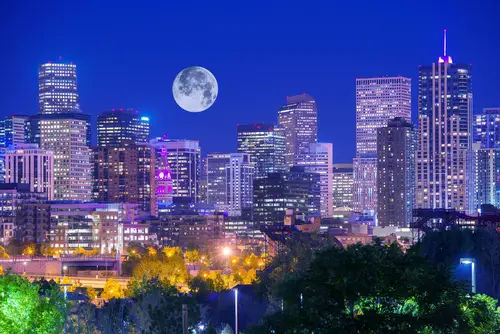
Denver’s outdoor lifestyle, mountain views, and booming economy made it feel like a safe, aspirational place to settle. People relocating there expected community‑oriented neighborhoods and secure streets. Instead, rising population pressures brought crime and affordability challenges that many didn’t fully anticipate. What felt like idyllic living sometimes came with unexpected hassles.
Even though central districts feel vibrant, outlying areas and transitional zones reminded residents that growth can stress resources. Rapid influxes of new people didn’t always match infrastructure upgrades or policing resources. That meant Denver was safer in some ways than others. The reality was a mixed bag, not the uniformly peaceful haven newcomers had imagined.
14. Detroit, Michigan
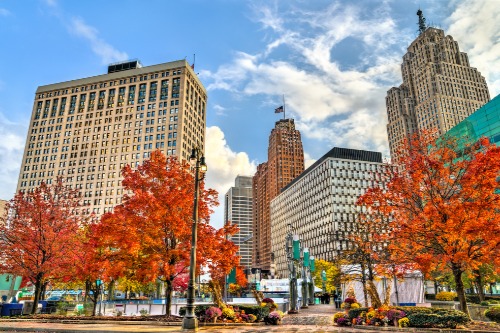
Detroit’s story was sold as a big comeback — affordable homes, creative neighborhoods, and renewed industry interest. A lot of folks moving in figured that lower costs meant a safer, livable city. In reality, crime rates stayed well above national averages for years, especially violent crime, catching many newcomers off-guard. People quickly learned that revitalization was uneven, and safety varied dramatically block by block.
Even beyond crime, Detroit’s municipal bankruptcy in 2013 signaled deep structural and fiscal issues that didn’t disappear overnight. Many assumed economic rebirth would quickly follow once headlines changed. Instead, they found a city still grappling with public services, infrastructure, and uneven investment. That taught residents that optimism rooted in headlines doesn’t always translate into safe, consistent day‑to‑day life.
15. Las Vegas, Nevada
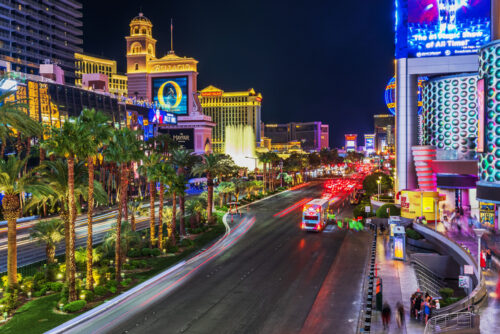
Las Vegas’ image as a nonstop entertainment hub made it look like a fun and secure place for anyone who loves nightlife and tourism. People relocating from quieter towns thought that the glitz of the Strip meant a well‑policed, lively city across the board. Instead, everyday life outside the main tourism corridors often looked very different, with higher property crime and areas struggling with social challenges. That contrast between Vegas’ polished first impression and ordinary neighborhood realities took many by surprise.
Affordable housing in some suburbs drew people in, but they didn’t always realize how far they were from the city’s core services. The city’s infrastructure and safety resources are laser‑focused on tourists, not always on residential zones. New residents quickly learned that living in Las Vegas isn’t quite the same as visiting it. The city’s reputation and daily reality didn’t line up the way many expected.
This post 15 Cities Everyone Swore Were Safe Bets—and Weren’t was first published on American Charm.

