
1. San Francisco
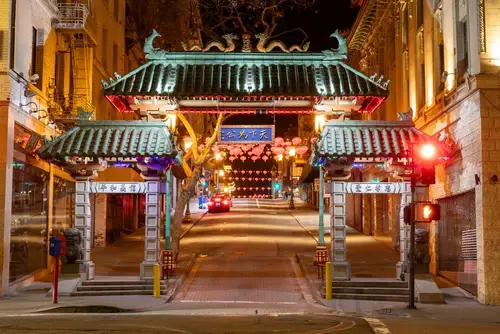
San Francisco is trying to turn the page after a bruising few years defined by office vacancies and a shrinking downtown. The city still has enormous wealth and talent, but remote work hollowed out daily foot traffic in ways leaders didn’t fully anticipate. High-profile store closures and concerns about public safety added to the sense that something familiar was slipping. That backdrop explains why optimism about the next chapter is real, but noticeably cautious.
Efforts to convert offices to housing and revive Market Street are underway, yet they move slowly by design. Residents and policymakers are debating how to balance tech’s influence with affordability and quality of life. There is confidence that innovation will return, but not everyone agrees on what it should look like this time. San Francisco knows reinvention is possible, it just doesn’t want to get it wrong again.
2. Austin
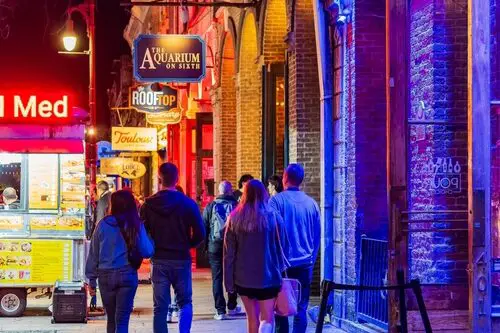
Austin’s explosive growth over the past decade has forced the city to pause and take stock. Once known primarily for its music scene and laid-back culture, it is now grappling with rising rents and traffic congestion. Major tech companies brought jobs and visibility, but also sharpened inequality and infrastructure strain. That mix of pride and pressure is why the next phase feels tentative.
City leaders are investing in transit, housing density, and water planning as the region keeps expanding. Longtime residents worry about losing the character that made Austin distinctive in the first place. Newcomers, meanwhile, expect big-city amenities that the city is still building. Austin is moving forward, but it is doing so with a careful eye on what growth has already cost.
3. Detroit
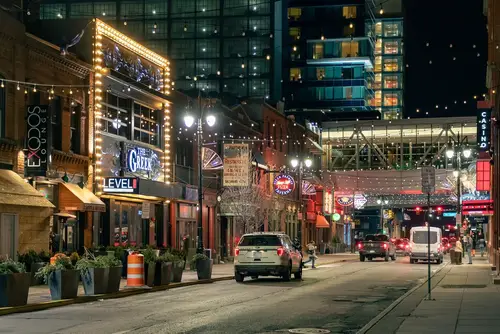
Detroit’s comeback story is real, but it has never been simple. After decades of population loss, downtown investment and job growth have created visible momentum. At the same time, many neighborhoods have yet to feel the benefits of that revival. That uneven progress explains the city’s cautious mood.
Public and private leaders are focused on spreading development beyond the core. Issues like affordable housing, transit, and public schools remain central to the conversation. Residents want stability, not just splashy projects or headlines. Detroit is stepping into its next chapter slowly, determined not to repeat past mistakes.
4. New Orleans
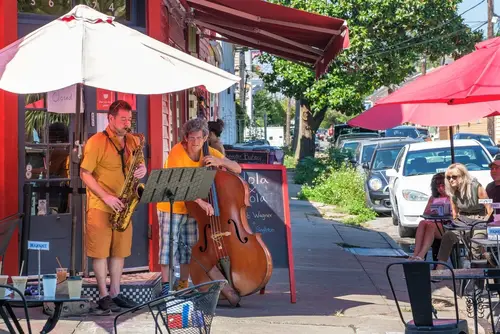
New Orleans is always rebuilding in some form, and that reality shapes its outlook. Tourism remains a cornerstone of the economy, but it leaves the city vulnerable to shocks. Hurricanes, insurance costs, and infrastructure challenges weigh heavily on long-term planning. The result is hope tempered by hard-earned caution.
Officials are pushing for diversification through ports, healthcare, and cultural industries. Residents are deeply attached to place, which makes change feel personal and risky. Climate resilience projects promise protection, but they take time and money. New Orleans keeps moving forward, just never without a glance over its shoulder.
5. Miami
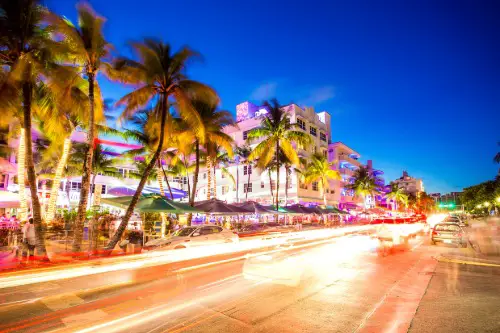
Miami’s rise as a finance and tech hub has been fast and flashy. New arrivals and new money have reshaped neighborhoods almost overnight. At the same time, sea-level rise and flooding are no longer abstract concerns. That tension makes the city’s future feel both exciting and uncertain.
Local governments are investing heavily in resilience and infrastructure upgrades. Housing affordability has become a flashpoint for longtime residents. The city’s global profile keeps growing, but so do its risks. Miami is betting on adaptation, even as it wonders how much change it can absorb.
6. Phoenix
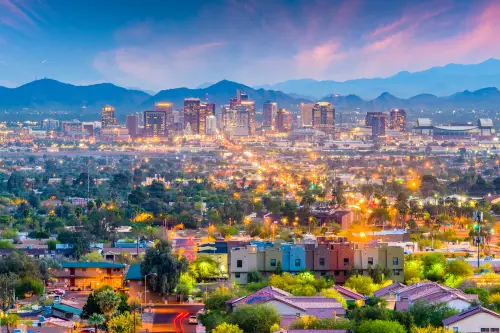
Phoenix has been one of the fastest-growing cities in the country, and it shows. Sprawl, heat, and water supply dominate conversations about sustainability. The region’s economy is strong, but environmental limits are impossible to ignore. That reality brings hesitation into what might otherwise be a straightforward growth story.
Leaders are promoting denser development and long-term water planning. Residents are adjusting to hotter summers and higher utility costs. There is confidence in the metro’s job market and affordability relative to coastal cities. Phoenix is advancing carefully, aware that growth without restraint could backfire.
7. Portland
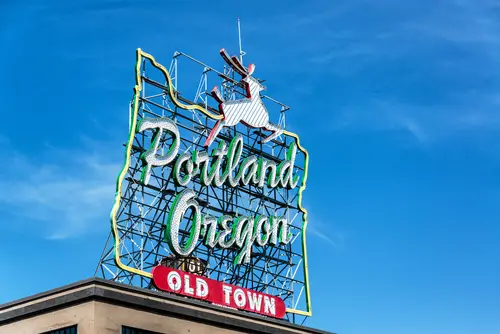
Portland is reassessing itself after years of social tension and economic disruption. The pandemic hit its downtown hard, and recovery has been uneven. Public debates over policing, homelessness, and governance have reshaped civic life. That soul-searching makes the next chapter feel uncertain.
City officials are working to revitalize the core while reforming local government structures. Small businesses are slowly returning, though not without skepticism. Residents still believe in the city’s values, but want clearer results. Portland is moving ahead cautiously, trying to align ideals with practicality.
8. Chicago
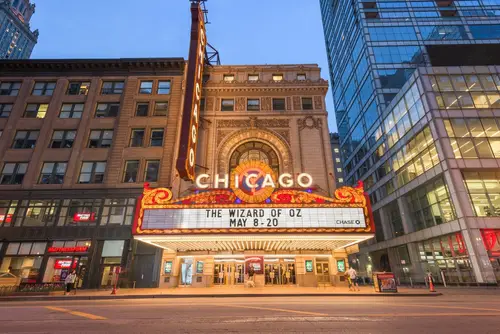
Chicago sits at a crossroads shaped by population shifts and fiscal pressures. The downtown remains a major economic engine, but some neighborhoods struggle with disinvestment. Concerns about public safety and taxes influence how people see the city’s direction. Those factors create a measured, sometimes uneasy optimism.
Major investments in infrastructure and transit signal long-term commitment. Leaders are also wrestling with pension obligations and budget constraints. Residents want growth that feels inclusive and durable. Chicago’s next chapter is being written carefully, with eyes on both risk and reward.
9. New York City
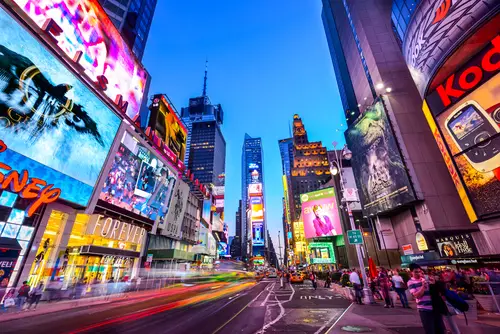
New York City is redefining itself after a historic disruption. Remote work changed commuting patterns and reshaped business districts. The city remains a magnet for talent, but affordability pressures are intense. That combination fuels ambition mixed with restraint.
Officials are experimenting with zoning changes and office-to-housing conversions. Transit reliability and public services are under renewed scrutiny. New Yorkers are famously resilient, but not complacent. The city is pushing forward, aware that small missteps have outsized consequences.
10. Los Angeles
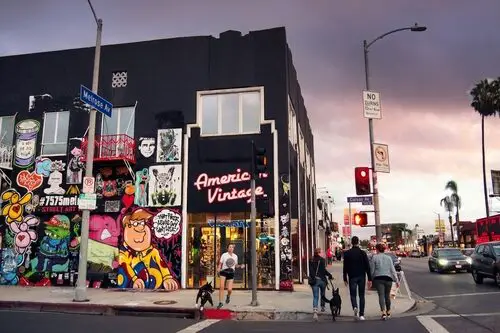
Los Angeles is balancing reinvention with persistent structural challenges. The entertainment industry is evolving, affecting jobs and identity. Wildfires, drought, and housing shortages loom over long-term plans. That mix keeps enthusiasm in check.
Major transit expansions and housing initiatives are underway. Progress is visible, but slower than many residents would like. The city’s scale makes coordinated change difficult. Los Angeles is stepping forward cautiously, aware of how much is at stake.
11. Denver
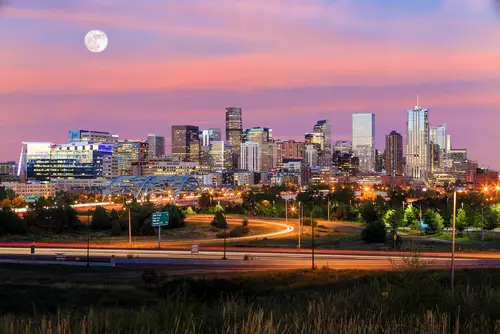
Denver’s popularity has surged, bringing both opportunity and strain. Rising housing costs have challenged the city’s reputation for livability. Growth has outpaced infrastructure in some areas. That imbalance explains the city’s careful tone about what comes next.
Regional leaders are investing in transit and zoning reform. Residents are divided on how dense the city should become. The outdoor lifestyle still attracts newcomers. Denver is moving ahead, but with a growing awareness of its limits.
12. Nashville
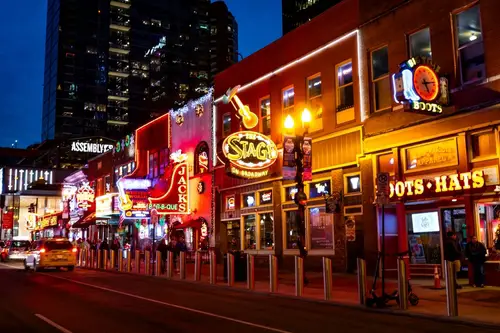
Nashville’s transformation from regional hub to national destination has been swift. Tourism, healthcare, and corporate relocations fuel growth. At the same time, infrastructure and housing have struggled to keep up. That gap makes the future feel promising yet fragile.
Local officials are prioritizing transit and long-term planning. Residents worry about congestion and cultural dilution. The city’s economy remains strong and diversified. Nashville is advancing carefully, trying to protect what made it appealing.
13. Cleveland
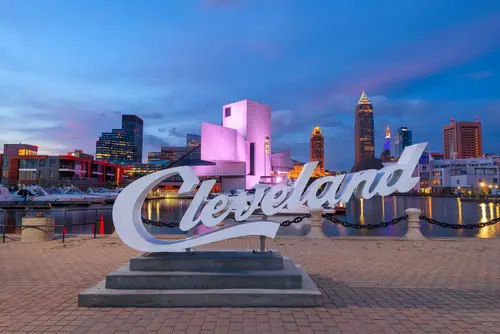
Cleveland is steadily redefining itself beyond its industrial past. Healthcare, education, and arts anchor the local economy. Population loss has slowed, but confidence is still rebuilding. That context gives the city a cautious sense of momentum.
Downtown and waterfront investments aim to attract residents and visitors. Neighborhood revitalization remains uneven. Residents want proof that progress will last. Cleveland’s next chapter is unfolding slowly, with realism guiding optimism.
14. Boise
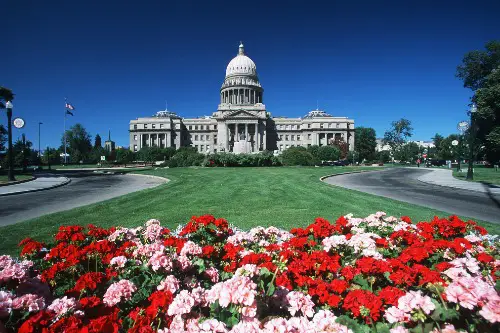
Boise’s rapid growth has surprised even longtime residents. An influx of newcomers has driven up housing costs. The city’s infrastructure and services are playing catch-up. That sudden change brings excitement paired with hesitation.
City leaders are grappling with how to scale without losing community feel. Water, transportation, and land use are key concerns. The local economy remains healthy and attractive. Boise is stepping into its next phase carefully, mindful of how fast it arrived.
This post 14 Cities Entering the Next Chapter With Hesitation was first published on American Charm.

