1. Passing Notes in Class

Before texting, passing handwritten notes was a quiet form of communication during school. Folded paper messages moved desk to desk with surprising efficiency. Kids developed creative ways to hide and deliver them without being noticed. It added a social layer to the classroom experience.
The rise of smartphones replaced most of that behavior. Digital messaging is faster and harder for teachers to intercept. Schools also enforce stricter device policies in many cases. The physical act of note passing has largely disappeared.
2. Renting Movies at Blockbuster
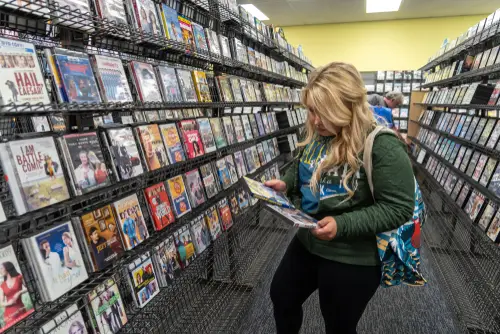
Friday night trips to Blockbuster felt like a ritual in many American households. Kids wandered the aisles debating between new releases and familiar favorites while hoping their pick was still in stock. The physical act of choosing a movie made the experience feel like an event instead of a quick click. Even the checkout line built anticipation for the night ahead.
Late fees added a little pressure to rewind tapes and return them on time. Families often planned entire evenings around a single rental. Streaming services eventually replaced the need for physical media stores. Today, only a single Blockbuster remains, turning what was once routine into nostalgia.
3. Playing Outside Until the Streetlights Came On
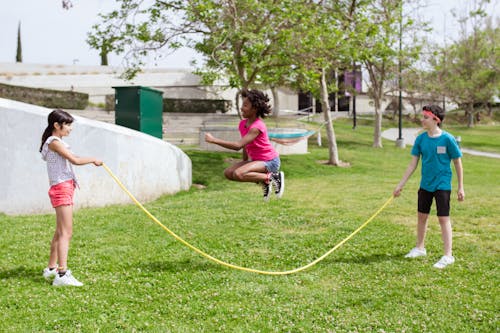
For decades, kids were expected to spend long stretches of time outdoors without constant supervision. Neighborhoods doubled as playgrounds where games evolved naturally with whoever showed up. The rule to come home when the streetlights turned on was widely understood. It gave children a sense of independence and time awareness.
Shifts in parenting styles and safety concerns gradually changed those norms. Organized activities and indoor entertainment became more common. Smartphones made it easier to stay inside for longer periods. That unstructured outdoor freedom has become less typical in many communities.
4. Using Payphones for Quick Check-Ins
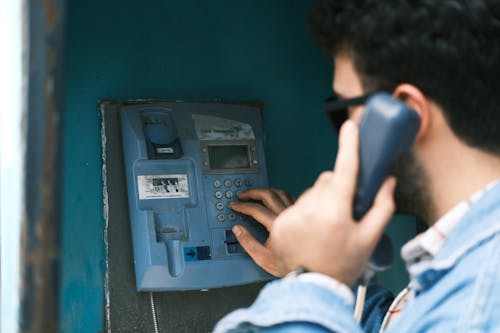
Payphones once stood on street corners, in malls, and inside restaurants across the country. Kids learned to carry coins just in case they needed to call home. Memorizing a few important phone numbers was part of being prepared. A quick call could update plans or ask for a ride.
Cell phones made that infrastructure almost completely obsolete. Payphones were removed in large numbers starting in the early 2000s. Younger generations may rarely encounter one in working condition. What used to be a practical everyday tool is now mostly a relic.
5. Watching Saturday Morning Cartoons on Network TV

Saturday mornings were once reserved for blocks of animated shows on major broadcast networks. Kids woke up early, poured cereal, and settled in for a lineup that only aired once a week. There was no pausing or replaying, so you had to be there at the right time. It created a shared cultural rhythm across households.
Cable expansion and streaming platforms changed viewing habits dramatically. Networks gradually phased out dedicated cartoon blocks by the 2010s. Children can now watch shows anytime instead of waiting for a specific slot. The sense of a collective weekly event has mostly faded.
6. Visiting Shopping Malls as a Social Hub

Indoor malls were once central gathering places for teens and families. Food courts, arcades, and retail stores created an all-in-one destination. Hanging out at the mall didn’t always require buying anything. It was as much about being seen and socializing as it was about shopping.
E-commerce and changing retail trends led to declining foot traffic in many malls. Some have closed entirely or been repurposed. Younger people often meet online or in different types of venues. The mall experience is no longer as universal as it once was.
7. Using a Physical Encyclopedia for School Projects

Homework research often started with a set of encyclopedias at home or in the library. Students flipped through volumes to find relevant entries. The process taught patience and how to navigate organized information. It also meant working with whatever material was available locally.
The internet transformed research into a fast, searchable process. Information is now updated continuously instead of in printed editions. Fewer households keep physical encyclopedias. That slower, tactile research experience has mostly disappeared.
8. Drinking from a Garden Hose
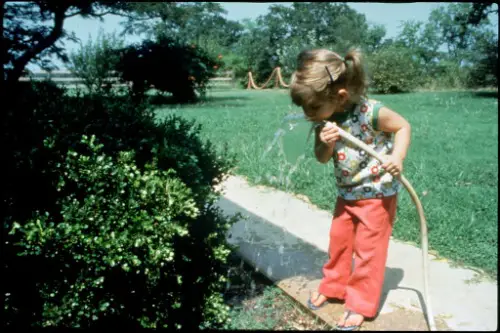
On hot days, kids playing outside often grabbed a quick drink straight from the garden hose. It was convenient and required no pause in the action. No one worried much about taste or temperature. It became a small but memorable part of summer.
Greater awareness of water quality and materials changed that habit. Parents are more likely to encourage filtered or indoor water sources. Outdoor play itself has also declined in some areas. The hose sip is now more of a nostalgic image than a routine behavior.
9. Recording Songs Off the Radio onto Cassette Tapes
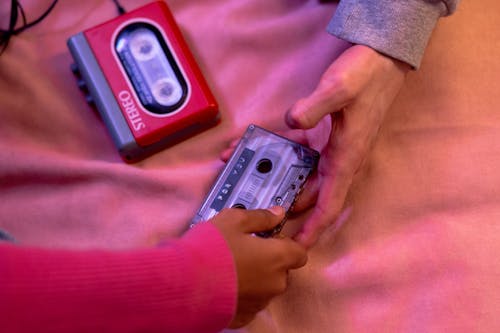
Catching your favorite song on the radio and recording it onto a cassette took timing and patience. You had to wait for the right moment and hope the DJ didn’t talk over the intro. Making a personalized mixtape felt like a creative project. Each recording had little imperfections that made it unique.
Digital music eliminated the need for that process. Songs can now be streamed instantly and in perfect quality. Playlists replaced the handmade mixtape. The effort once required made music feel a bit more earned.
10. Using Chalkboards in Classrooms
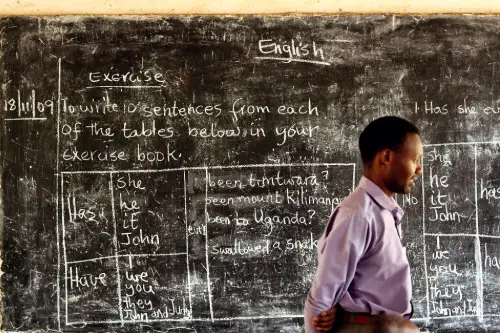
Chalkboards were once a standard feature in nearly every American classroom. Teachers wrote lessons by hand, and the sound of chalk was instantly recognizable. Students were often called up to solve problems in front of the class. The board itself was central to daily instruction.
Whiteboards and digital screens gradually replaced chalkboards. They are cleaner, easier to maintain, and more versatile. Many schools removed chalk entirely over the past few decades. What was once universal is now increasingly rare.
11. Riding in the Back of a Station Wagon Without Seatbelts
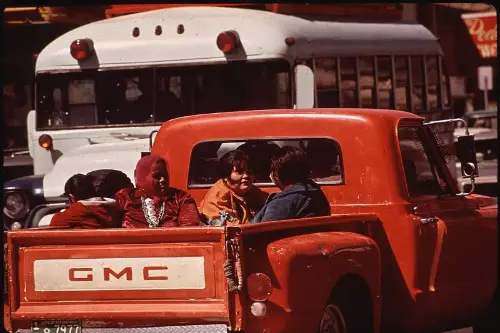
Family road trips often meant kids piled into the back of a station wagon. Some even sat in rear-facing jump seats or on blankets without restraints. It was a common and widely accepted practice at the time. Safety expectations were very different.
Seatbelt laws and vehicle safety standards have changed significantly. Modern cars include multiple restraints and child safety systems. What once felt normal would now be considered unsafe and illegal in many cases. The experience reflects how much attitudes toward safety have evolved.
This post Childhood Experiences That Defined America But Have Nearly Disappeared was first published on American Charm.