
1. Augusta, Georgia
Augusta’s economic base is strong in healthcare and government, which are stable but slow-moving. Promotions tend to be gradual and incremental. Many workers find it hard to pivot into higher-paying roles outside these sectors. The city has reliability, but speed of career advancement is limited.
Employers focus on consistency rather than aggressive growth strategies. Wage increases are modest over time. Ambitious professionals may need to move to larger metro areas for faster career development. Augusta provides solid work but fewer opportunities for rapid promotion.
2. Scranton, Pennsylvania

Scranton is a classic post-industrial town with an economy that hasn’t fully transitioned to high-growth sectors. Many of the available jobs are stable but don’t provide clear paths for advancement. Workers often find themselves in the same roles for years, with few chances to pivot into new fields. For ambitious professionals, that can feel limiting.
The slow growth is compounded by modest wage increases over time. Young graduates frequently leave for bigger cities where opportunities and mentorship programs are stronger. Employers focus on maintaining operations rather than promoting career development. Scranton offers stability, but climbing the ladder takes effort and often relocation.
3. McAllen, Texas

McAllen’s economy is dominated by retail and service jobs, which often have limited upward mobility. While it’s easy to find employment, moving into higher-paying roles is tougher. Technical or high-growth sectors are scarce, meaning career advancement is slower than in other metros. Many professionals hit a ceiling quickly and must look elsewhere to continue growing.
The wage growth in McAllen also reflects this trend. Jobs pay steadily but not exceptionally, and promotions are uncommon. Some workers commute to nearby cities to pursue career opportunities. For those staying in town, professional advancement is measured in years, not months.
4. Fresno, California

Fresno relies heavily on agriculture and energy, which limits opportunities for career diversification. Jobs are available, but transitioning into faster-growing industries can be a challenge. Wage increases are generally slow, making it difficult for workers to see significant financial growth. Many employees spend years in the same positions before advancing.
The scarcity of high-growth employers means structured career development is limited. Ambitious young workers often move elsewhere to gain experience and promotions. Without a steady influx of new industries, local employers aren’t motivated to expand advancement paths. Fresno provides stability but not rapid professional growth.
5. Memphis, Tennessee
Memphis offers plenty of entry-level jobs, but industries like logistics and transportation provide limited room for upward movement. Career ladders are narrow, and promotions are infrequent. Many workers remain in similar roles for years without significant pay increases. Ambitious professionals often need to consider relocation to move faster.
Limited internal training programs contribute to the slow progression. Employers focus on operational needs rather than career growth pipelines. Young talent often leaves for other cities where development opportunities are stronger. Memphis is more about stable employment than rapid advancement.
6. Jackson, Mississippi
Jackson struggles with unemployment and low wage growth, making career progression challenging. Many jobs are in industries that don’t offer steep promotion paths. Professionals often find themselves in the same roles for years with minimal upward mobility. It’s a city where patience is key to career growth.
Without a strong influx of high-growth sectors, opportunities remain stagnant. Lateral moves are more common than promotions. Ambitious workers frequently move elsewhere to advance. Jackson offers stable work, but climbing the career ladder is slow.
7. Rochester, New York
Rochester has seen declines in manufacturing and industry, which has limited modern career pathways. Entry-level roles are present, but high-growth positions are rare. Many professionals remain in the same position for years without notable promotions. Career mobility is noticeably slower than in larger metro areas.
Wage growth struggles to keep up with rising living costs. Young talent often leaves for cities with more diversified industries. Employers tend to maintain existing roles rather than invest in development programs. Rochester is dependable, but career acceleration is modest.
8. Dayton, Ohio
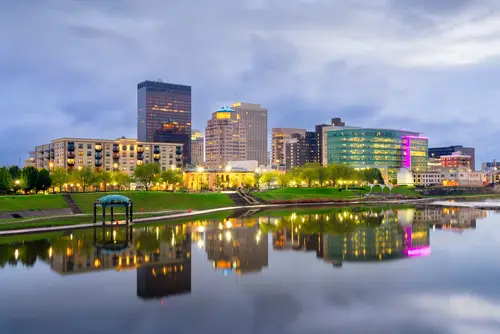
Dayton’s economy has historically depended on manufacturing, which has not fully transitioned to growth sectors. Many workers find long-term employment but face limited promotion potential. Entry-level jobs are easy to get, but moving up is slow. Career progression here is often more about stability than growth.
High-growth industries such as tech are scarce, making lateral moves the main path to advancement. Wage increases are slower than in more dynamic cities. Young professionals frequently relocate to pursue career opportunities. Dayton is solid for steady work, but ambitious career climbers may feel stuck.
9. Bakersfield, California
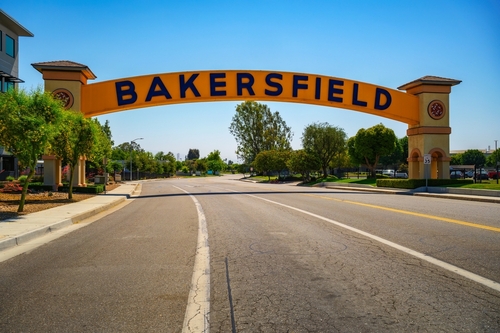
Bakersfield’s economy leans heavily on agriculture and energy, which provide jobs but few opportunities for upward mobility. Many people land work quickly, but promotions are slow and career ladders are short. The city’s limited industrial diversity makes it harder to transition into higher-paying or growing sectors. For professionals seeking frequent career growth, it can feel like time is moving in slow motion.
This stagnation also affects wages, which tend to rise more slowly than in larger metro areas. Without many high-growth industries, employers have little incentive to create structured promotion paths. Young workers often leave in search of cities with more career opportunities. Bakersfield is a solid place to start a job, but growing your career there takes patience.
10. Pueblo, Colorado
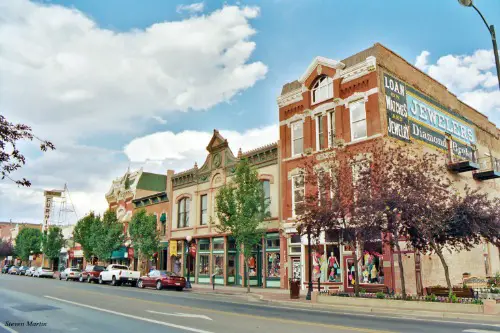
Pueblo’s economy is rooted in traditional industries like steel and manufacturing, which don’t generate fast-moving career ladders. Workers often spend years in the same roles without substantial promotion. Opportunities to transition into emerging industries are limited. Career growth feels slow and incremental.
Salary increases tend to be modest, reflecting the city’s slower economic pace. Professionals who want rapid advancement often leave for larger metros. Lateral moves dominate over vertical career jumps. Pueblo offers stability, but professional acceleration is slow.
11. Youngstown, Ohio

Youngstown has long struggled with declining industrial jobs and a lack of diverse sectors. While employment exists, higher-level positions are scarce. Career mobility is limited, leaving workers in the same roles for extended periods. Ambitious professionals often look outside the city to advance.
Wage growth is modest, even for experienced workers. Employers are focused on survival rather than expansion or promotion. Youngstown is dependable but not dynamic for career climbers. Opportunities for rapid progression are rare.
12. Flint, Michigan

Flint’s economy is still recovering from industrial decline and population loss. Job opportunities exist but often in low-wage sectors with limited advancement. Professionals can find work, but climbing to higher positions is slow. Ambitious workers often leave for better career prospects elsewhere.
Wages grow slowly, and companies rarely have structured development programs. Lateral moves dominate over vertical promotion paths. Flint offers work stability, but not fast career growth. Young talent frequently relocates to pursue opportunity.
13. Rockford, Illinois
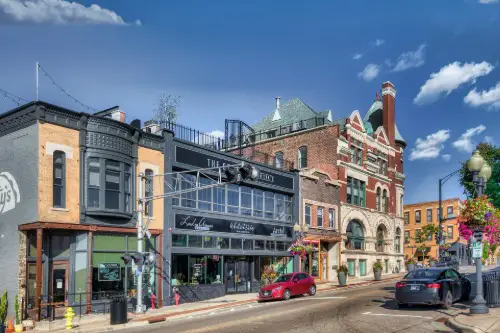
Rockford depends heavily on manufacturing and logistics, which provide steady jobs but few chances for promotion. Career growth is slow, and upward mobility is limited. Many professionals stay in the same role for years without significant salary increases. Ambitious workers often relocate to bigger cities for advancement.
Local industries rarely provide structured paths for professional development. Wages are modest, reflecting slow career progression. The city is stable but not a hotspot for fast career growth. Rockford is better for reliability than for moving up quickly.
14. Springfield, Illinois

Springfield’s economy is tied to government and healthcare, which are stable but slow-moving. Entry-level jobs are available, but promotion paths are often gradual. Workers may find themselves in the same position for years before advancement. Career growth here takes patience and persistence.
Salary increases are incremental rather than rapid. Ambitious professionals may need to move to larger cities for faster advancement. Employers focus on maintaining services rather than aggressive career programs. Springfield offers steady work, but not rapid mobility.
15. Erie, Pennsylvania
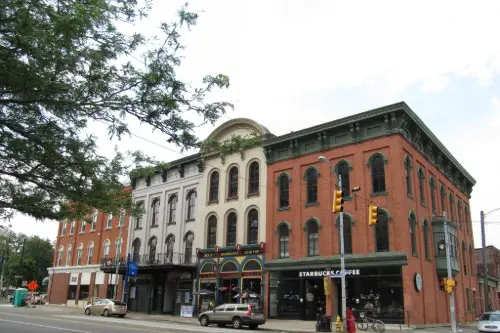
Erie has a legacy of industrial employment, but growth in high-demand sectors is limited. Many positions are stable but offer few opportunities to move up. Professionals can spend years in the same roles without significant promotions. Ambitious workers often leave to find faster career pathways.
Wages are slow to increase, reflecting limited competition and sector diversity. Lateral moves are more common than vertical leaps. Erie provides reliability, but career acceleration is modest. For those seeking rapid professional growth, relocation may be necessary.
This post Career Progression Slows to a Crawl in These 15 Cities was first published on American Charm.

