
1. A single income can comfortably support a family

For decades, the idea of one breadwinner covering housing, childcare, healthcare, and retirement felt realistic for many American households. This was supported by postwar wage growth, strong unions, and lower relative costs for essentials like college and medical care. Today, wages have not kept pace with the cost of living, especially in housing and healthcare. As a result, dual-income households are now common not as a lifestyle choice, but as a necessity.
This assumption persists in workplace expectations and public policy that often undervalue caregiving labor. Many benefits systems still assume one primary earner with a dependent spouse. That mismatch can leave families stretched thin or penalized when both adults work. The reality is that economic survival now looks very different from the model many people were raised with.
2. Buying a home is a normal milestone in adulthood

Homeownership has long been treated as a marker of success and financial responsibility. For previous generations, homes were relatively affordable compared to income, and first-time buyers could enter the market earlier in life. Today, high home prices, rising interest rates, and student loan debt delay or prevent homeownership for many adults. In some metro areas, even high earners struggle to buy without family assistance.
This matters because housing is still a primary way Americans build wealth. When access to ownership narrows, long-term inequality widens. Renting is no longer just a temporary stage for young people but a long-term reality for many. The assumption that everyone will eventually buy a home no longer reflects the economic landscape.
3. College guarantees a stable, well-paying job
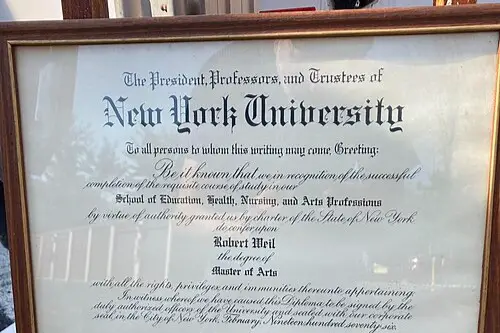
For years, earning a four-year degree was widely promoted as the surest path to upward mobility. While college graduates still earn more on average than those without degrees, outcomes vary widely by field and institution. Tuition has risen far faster than wages, leaving many graduates with significant debt and uncertain job prospects. A degree alone no longer guarantees stability or financial security.
This assumption matters because it shapes how young people make life-altering decisions. Students are often encouraged to borrow heavily without clear information about return on investment. Meanwhile, many well-paying jobs now require alternative credentials or specialized training instead. The idea of college as a universal solution no longer fits the complexity of the modern labor market.
4. Hard work alone leads to economic mobility

The belief that effort and persistence naturally lead to success is deeply embedded in American culture. While hard work still matters, structural factors like family wealth, geography, race, and access to networks play a much larger role than is often acknowledged. Economic mobility in the U.S. is lower than in many peer countries. Where you start now has a stronger influence on where you end up.
This assumption can obscure real barriers people face. It also shifts blame onto individuals when systems fail them. When mobility stalls, frustration and distrust tend to grow. Recognizing these limits is key to understanding modern economic anxiety.
5. Jobs come with long-term stability and benefits

Many Americans grew up expecting to stay with one employer for years, if not decades. In the past, jobs often included pensions, predictable raises, and employer-sponsored healthcare. Today’s labor market is more fluid, with frequent job changes, contract work, and fewer guaranteed benefits. Layoffs and restructuring are common even in profitable companies.
This shift affects how people plan their lives. Retirement security is now largely an individual responsibility through 401(k)s and personal savings. Healthcare is often tied to employment, increasing risk during job transitions. The assumption of stable, long-term employment no longer reflects how work actually functions.
6. Raising kids is financially manageable for the middle class

Child-rearing has always been expensive, but costs have grown significantly faster than incomes. Childcare, healthcare, housing, and education now take up a larger share of family budgets than in previous generations. Many families find that having children requires major financial trade-offs or debt. This has contributed to declining birth rates and delayed parenthood.
The assumption matters because policy often lags behind reality. Parental leave, childcare subsidies, and tax credits frequently fall short of actual costs. Social expectations still treat having children as a default life step. For many, it’s now a decision shaped more by economics than desire.
7. Healthcare is accessible if you’re employed

Employer-sponsored insurance has long been the backbone of the U.S. healthcare system. While coverage is still common, rising premiums, deductibles, and out-of-pocket costs have made care less affordable even for insured workers. Medical debt remains a leading cause of financial distress and bankruptcy. Employment no longer guarantees affordable or comprehensive care.
This assumption hides how precarious access can be. A job change, reduction in hours, or layoff can quickly disrupt coverage. Even routine care can be delayed due to cost concerns. The gap between having insurance and affording care has grown wider.
8. Retirement is achievable with careful planning

Retirement was once supported by pensions, Social Security, and relatively low living costs. Today, pensions are rare outside the public sector, and individuals are expected to fund much of their own retirement. Many workers lack access to employer-sponsored retirement plans altogether. Rising healthcare and housing costs further complicate retirement planning.
This assumption matters because people are living longer and working later. Savings targets that once seemed sufficient are now often inadequate. Market volatility adds additional risk to retirement accounts. The idea of a predictable, restful retirement is no longer a given.
9. Full-time work provides financial security

Working full time has traditionally been associated with stability and self-sufficiency. However, many full-time jobs now pay wages that struggle to cover basic expenses, especially in high-cost areas. The rise of low-wage service work means employment does not always prevent poverty. Being employed no longer guarantees being economically secure.
This reality challenges long-held narratives about work and worth. It also affects public perceptions of assistance programs and labor policy. When full-time workers still struggle, the system’s assumptions break down. The link between work and security has weakened.
10. Most people live and work in the same community long term

Past generations often stayed in one region, building careers and social networks locally. Today, economic opportunity is unevenly distributed, pushing people to move for education or work. At the same time, housing costs can trap people in areas with fewer opportunities. Long-term geographic stability is no longer the norm.
This matters because mobility has social costs. Frequent moves can weaken community ties and family support systems. It also affects local economies and civic engagement. The assumption of rootedness no longer matches many Americans’ lived experiences.
11. Each generation will be better off than the last

The idea of steady generational progress has shaped American optimism for decades. While this held true for much of the 20th century, recent generations face slower wage growth, higher debt, and rising living costs. Younger adults often have less wealth than their parents did at the same age. Economic gains are no longer evenly passed down.
This assumption matters because it influences trust in institutions and the future. When progress stalls, frustration and skepticism increase. It also reshapes how people think about work, family, and risk. The promise of automatic improvement no longer fits the data or daily reality.
This post Assumptions About American Life That No Longer Fit was first published on American Charm.

