
1. Watching Must-See TV on NBC Thursday Nights
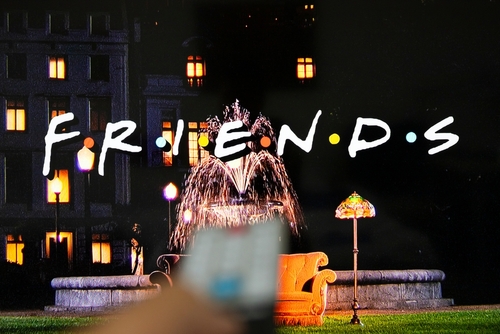
For years, Thursday nights were practically sacred because NBC stacked its biggest sitcoms back-to-back. Viewers planned their evenings around shows like Friends and ER airing at specific times. Missing an episode meant waiting for a rerun months later. Streaming wasn’t an option, so you showed up when the schedule said so.
Families coordinated dinner, homework, and even phone calls around the lineup. Commercial breaks were bathroom and snack sprints. The shared schedule made next-day conversations feel like a group event. It turned television into a weekly appointment rather than background noise.
2. The Friday Night Trip to Blockbuster
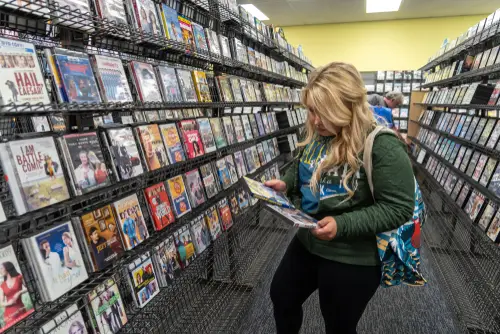
Friday evenings often meant wandering fluorescent aisles hunting for the perfect VHS tape. New releases had limited copies, so timing mattered if you wanted the good stuff. The plastic cases, staff recommendation cards, and return-date stickers were all part of the ritual. You physically held your weekend entertainment in your hands.
Families debated choices in front of the shelves like it was a group decision summit. Late fees added real stakes to remembering the return date. Candy at the register felt like an essential add-on. It was less convenient than streaming, but far more communal.
3. Saturday Morning Cartoons on ABC and Fox Kids

Kids woke up early without alarms because cartoons only aired at certain hours. Networks packaged animated shows into special weekend blocks just for them. Pajamas, cereal bowls, and living room floors became part of the experience. It felt like a reward built into the calendar.
If you missed an episode, there was no instant replay. Commercials for toys and cereals were part of the ecosystem. Friends compared favorite shows at school on Monday. The schedule gave childhood a dependable weekly rhythm.
4. The Sunday Newspaper Spread

Sunday mornings meant a thick newspaper landing on the doorstep. Families unfolded sections across the table like a paper buffet. Comics, coupons, classifieds, and long-form features each had their fans. Everyone grabbed their favorite section first.
Coupons were clipped and saved for grocery trips. Kids read the funnies while adults scanned headlines. Job seekers circled listings with pens. It was information, entertainment, and planning wrapped into one routine.
5. TGIF Lineups on ABC
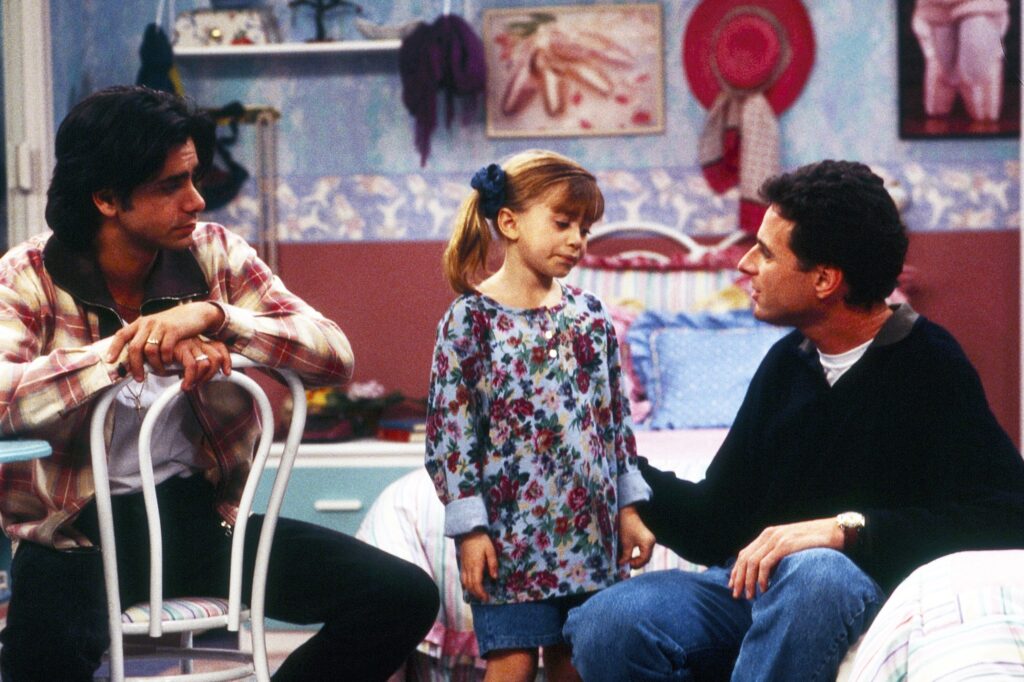
ABC’s TGIF block turned Friday night into a sitcom marathon. Shows like Full House and Family Matters aired in a dependable lineup. The programming targeted families settling in for the weekend. Catchphrases and theme songs became cultural shorthand.
Kids stayed up a little later because it felt like an event. Parents didn’t have to negotiate what to watch. Everyone gathered in the same room by default. It made the start of the weekend feel official.
6. Weekly Allowance and the Mall Hangout

Getting an allowance often happened on the same day each week. That small bit of cash shaped spending choices and social plans. Teens saved it for food courts, arcades, or music stores. The mall became a low-stakes social hub.
Window shopping counted as entertainment. Meeting friends didn’t require constant texting updates. You learned budgeting in real time with actual money. The ritual blended independence with structure.
7. New Episode Night for The X-Files

When The X-Files aired, fans treated it like an appointment viewing event. The mix of sci-fi, horror, and conspiracy made each episode feel urgent. Online spoilers didn’t flood timelines yet. The mystery unfolded collectively.
Friends debated theories the next day. Cliffhangers lingered for a full week. Theme music alone could set the mood. It made suspense stretch in a satisfying way.
8. MTV’s Total Request Live After School

TRL turned music videos into a daily countdown spectacle. Teens rushed home to see where their favorite artists ranked. Fan voting created a sense of participation. Live interviews added unpredictability.
The Times Square backdrop made it feel plugged into pop culture’s center. Premieres were events, not algorithm drops. Friend groups synced their viewing habits. Music discovery felt shared and immediate.
9. Church Every Sunday Morning
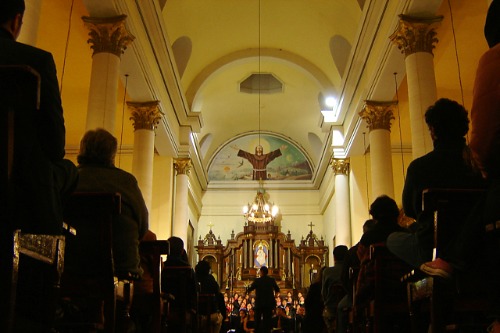
For many families, Sunday mornings followed a consistent script. Outfits were picked, shoes polished, and everyone piled into the car. Services provided routine, reflection, and community contact. The weekly gathering anchored the calendar.
Kids made friends they only saw there. Traditions passed across generations in the same pews. Post-service meals extended the social time. It blended spirituality with dependable structure.
10. The Weekly TV Guide Check
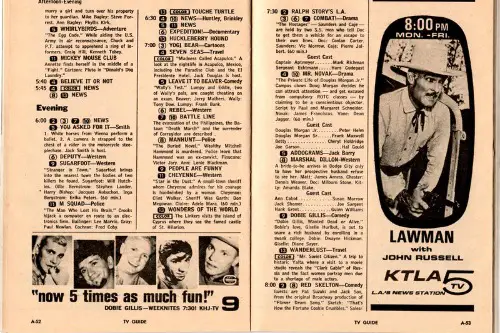
Before on-screen menus, TV Guide was essential navigation. Viewers scanned grids to plan what to watch days ahead. Special issues previewed upcoming seasons and events. The magazine itself became part of living room decor.
Circling listings felt oddly satisfying. You learned time slots and network habits. Surprise schedule changes were frustrating but memorable. Planning entertainment felt deliberate.
11. Family Dinner Night
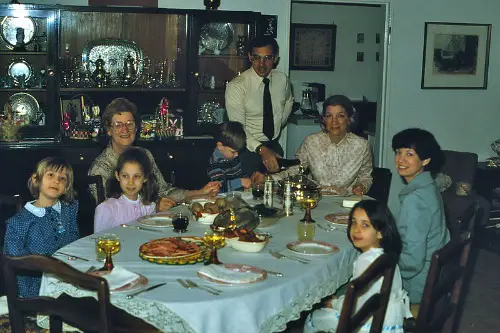
Many households had at least one guaranteed shared dinner each week. Busy schedules paused for a set time at the table. Conversations covered school, work, and everything in between. It created a predictable moment of connection.
Recipes rotated and traditions formed naturally. Kids absorbed social norms and storytelling habits. Phones didn’t compete for attention in earlier decades. The ritual made time feel slower and more intentional.
This post An Entire Generation Treated This Like a Weekly Ritual was first published on American Charm.

