1. New Jersey
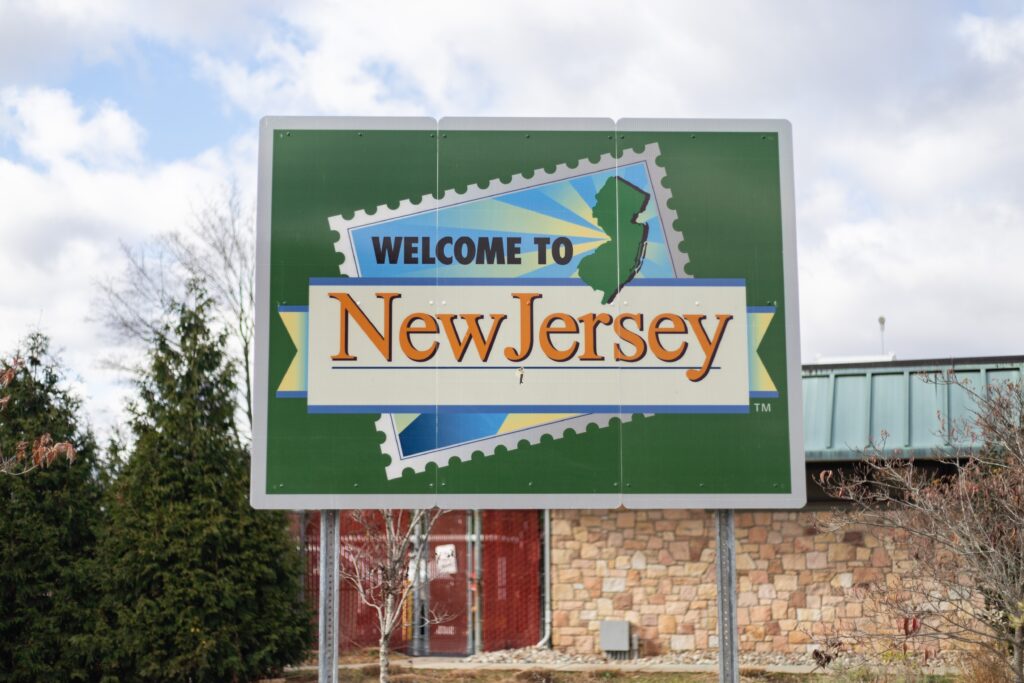
New Jersey’s out-migration problem is closely tied to its famously high property taxes. Even residents with stable incomes find the annual tax burden exhausting. Retirees, in particular, struggle to justify staying once their kids leave home. For them, the math becomes impossible to ignore.
Many movers head to Pennsylvania, Florida, or the Carolinas for lower costs. Remote work has made it easier to keep Northeast-based jobs without Northeast expenses. While New Jersey offers strong schools and amenities, the price of staying keeps climbing. Eventually, convenience loses to affordability.
2. California

California still loses residents despite its enormous economy and cultural pull, largely because housing costs have sprinted far ahead of wages. Even dual-income households struggle with rent, insurance, utilities, and childcare all rising at once. Remote work made it possible to keep California paychecks while living in cheaper states. That cracked the last major reason many people stayed.
Beyond housing, everyday expenses keep stacking up, from gas prices to state income taxes. Wildfires and power shutoffs have also become quality-of-life issues rather than rare disruptions. Home insurance premiums have spiked or disappeared entirely in some regions. For many residents, leaving isn’t about politics or lifestyle but pure financial survival.
3. New York

New York’s population decline is driven mostly by high living costs centered around New York City and its suburbs. Rent, property taxes, and basic services strain even high earners. Once remote work became common, living near Manhattan stopped being a necessity. Many people tested other states and realized they could keep their income while lowering expenses.
Upstate New York hasn’t seen enough growth to counterbalance downstate losses. Cold winters, aging infrastructure, and high taxes remain persistent frustrations. Some companies have quietly expanded offices elsewhere, giving employees more flexibility to relocate. Over time, those individual decisions have added up to significant population loss.
4. Illinois
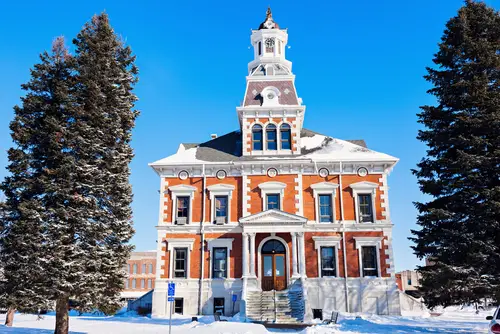
Illinois continues to lose residents due to long-standing concerns about taxes and state finances. Property taxes are particularly heavy, hitting homeowners year after year. Chicago remains economically strong, but many residents look just across state borders for relief. Indiana and Wisconsin benefit directly from this spillover.
Outside Chicago, job growth has lagged behind national averages. Smaller cities struggle to retain young professionals, who often leave for faster-growing regions. Perceptions of crime and political dysfunction also influence decisions, even when exaggerated. For many families, moving feels like a rational financial reset.
5. Massachusetts

Massachusetts sees residents leaving largely due to housing shortages and rising costs in Greater Boston. The rental market is fiercely competitive, pushing younger workers out early in their careers. Homeownership feels increasingly out of reach for middle-class families. Even strong job growth hasn’t offset these pressures.
The state remains a hub for healthcare, biotech, and higher education. But those industries don’t insulate residents from high rents and daily expenses. Cold winters and transportation issues also weigh on quality of life. Many departures are reluctant, driven more by economics than dissatisfaction.
6. Connecticut
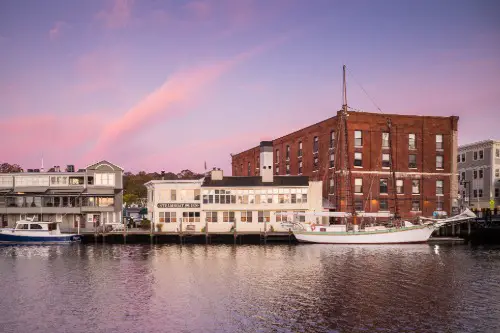
Connecticut has struggled with population losses for more than a decade. High taxes and uneven job growth outside select areas play a major role. Many residents commute long distances or eventually relocate closer to work opportunities. Younger workers, in particular, often leave for more dynamic job markets.
The state’s location between New York and Boston no longer guarantees retention. Remote work has reduced the need to live within commuting distance of major cities. Housing costs remain high relative to local wages. Over time, these pressures steadily push people out.
7. Louisiana

Louisiana’s population decline is shaped by economic challenges and environmental risks. Job growth has lagged national trends, especially outside energy-related industries. Hurricanes and flooding create recurring disruptions that affect housing and insurance costs. For many residents, rebuilding again and again takes a toll.
Public services, including education and healthcare, also struggle in parts of the state. Younger residents often leave for better-paying jobs elsewhere. Some never return after college or early career moves. The result is a slow but persistent population drain.
8. Mississippi
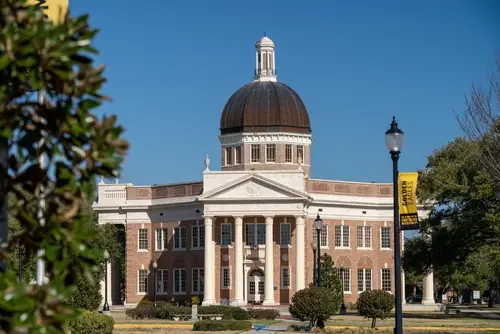
Mississippi loses residents primarily due to limited economic opportunity. Wages remain low compared to national averages, especially for skilled workers. Many young adults leave for college and don’t come back. That brain drain compounds over time.
Healthcare access and infrastructure challenges also influence decisions. Rural areas, in particular, struggle to retain residents. While the cost of living is low, job options are limited. For many families, leaving feels like the only path forward.
9. West Virginia
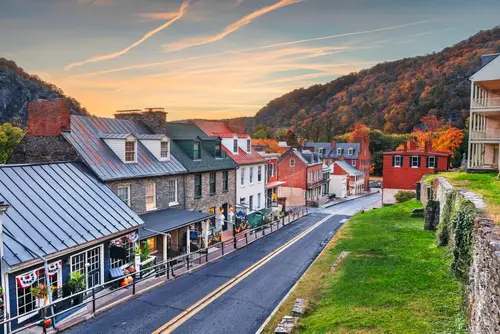
West Virginia’s population decline reflects long-term economic shifts. The coal industry’s contraction removed a major employment pillar. Replacement industries haven’t grown fast enough to compensate. As jobs disappear, residents follow opportunity elsewhere.
An aging population further accelerates the decline. Younger residents often move away for education or work and don’t return. Rural isolation and limited healthcare access add pressure. The state continues to face structural challenges that make retention difficult.
10. Alaska

Alaska’s population swings are heavily tied to its economy. When oil-related jobs contract, residents leave quickly. High living costs amplify the impact of job losses. Even basic goods are expensive due to transportation challenges.
Harsh winters and geographic isolation also influence migration decisions. Younger workers often leave for more connected job markets. Some residents move temporarily and decide not to return. These factors make Alaska especially sensitive to economic shifts.
11. Hawaii

Hawaii loses residents despite its global appeal. Housing costs are among the highest in the nation, while wages lag behind. Many locals feel priced out of the communities they grew up in. That tension has driven steady out-migration.
The state’s isolation also raises the cost of food, fuel, and travel. Job opportunities outside tourism and government are limited. Young families often move to the mainland for affordability. Paradise comes with a price many can no longer pay.
12. Pennsylvania
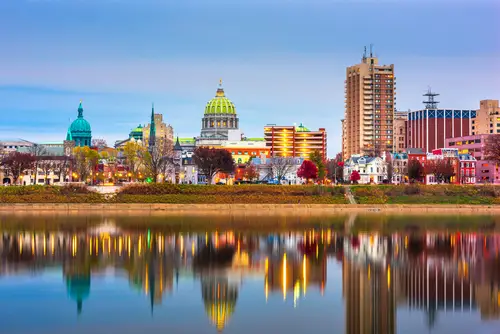
Pennsylvania experiences net population loss due to slow growth and an aging population. Many rural and post-industrial areas struggle to attract new employers. Younger residents frequently leave for faster-growing states. The state hasn’t fully replaced manufacturing-era jobs.
High property taxes in some regions also push residents out. While cities like Philadelphia and Pittsburgh have seen pockets of growth, it’s not enough statewide. Infrastructure challenges remain a concern. Over time, gradual losses add up.
13. Ohio

Ohio’s population stagnation masks steady out-migration from many regions. Manufacturing declines hit smaller cities especially hard. Job growth exists, but often not fast enough to retain young workers. Many leave for the Sun Belt or larger metro areas.
Housing is affordable, but wages can lag behind national averages. Some residents feel stuck between limited opportunity and family ties. Colleges educate students who then move elsewhere. This pattern continues year after year.
14. Michigan

Michigan’s population losses are tied to industrial restructuring and slow recovery in some regions. While Detroit has stabilized, many smaller cities still struggle. Auto industry volatility affects employment confidence. Residents often move preemptively when jobs feel uncertain.
Cold winters and aging infrastructure don’t help retention. Younger workers frequently leave for warmer, faster-growing states. Some return later in life, but not enough to offset departures. The state remains in a long demographic adjustment.
15. Rhode Island
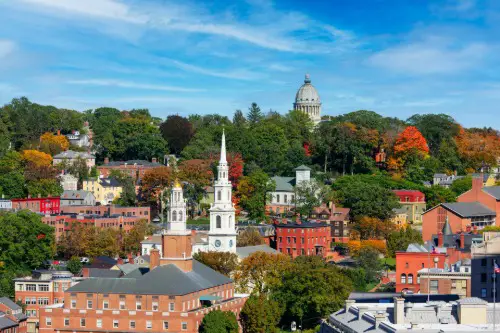
Rhode Island’s small size makes population changes more noticeable. High housing costs and limited space for development strain affordability. Job growth hasn’t kept pace with neighboring states. Many residents simply cross state lines rather than move far.
Property taxes and utility costs add to the burden. Younger professionals often relocate for broader career options. While the state offers charm and coastal appeal, opportunity can feel constrained. For some, leaving is the easiest way to move ahead.
This post Americans Are Leaving These States Faster Than the Data Can Keep Up was first published on American Charm.