1. Mardi Gras
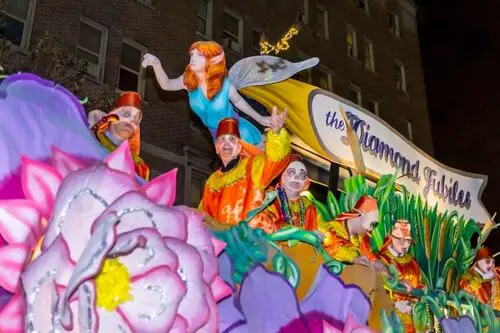
Mardi Gras is famous for beads, parades, and revelry, but in the 18th and 19th centuries, it was viewed as shocking and dangerous. The French settlers brought the tradition to Louisiana, where it quickly gained a reputation for lawlessness. Authorities in New Orleans actually tried to ban the celebrations at different points because of drunken brawls and public scandals. The idea of masquerade balls also scandalized the upper class, who thought it encouraged immorality.
In the mid-1800s, “krewes” began organizing the festivities into parades, giving it more structure but also raising suspicions of elitism. Some people considered it a corrupting influence that blurred racial and social lines. Even today, the traditions have their controversies, from the exclusionary roots of some krewes to debates over cultural sensitivity. Yet despite all that, Mardi Gras grew into one of America’s most iconic celebrations.
2. Thanksgiving
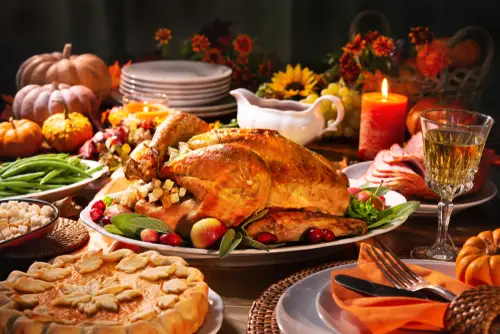
Thanksgiving is now about turkey, family, and gratitude, but its early history was far messier. The “first Thanksgiving” in 1621 was never meant to be an annual holiday, and accounts show it was more of a tense diplomatic feast between the Pilgrims and the Wampanoag. Native peoples weren’t always treated as honored guests afterward, leading to violent conflicts soon after. For centuries, Thanksgiving celebrations were sporadic and political leaders used them to push their own agendas.
By the 19th century, Sarah Josepha Hale, the editor of Godey’s Lady’s Book, lobbied hard for a national holiday, but not everyone supported it. Southerners often saw it as a “Yankee” tradition forced upon them. Even when Lincoln declared it in 1863, it was tied to wartime propaganda during the Civil War. What we see as a cozy day of unity was born out of division and conflict.
3. Valentine’s Day
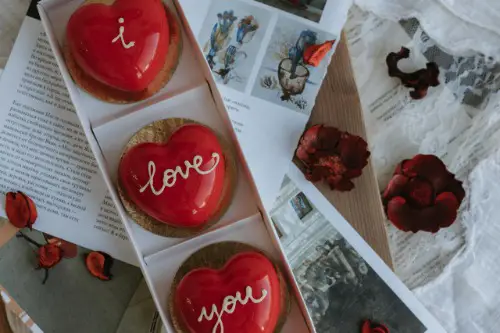
Valentine’s Day feels like a sweet holiday, but it started as something that made many uncomfortable. In the 19th century, exchanging valentines in the U.S. was controversial because they were often flirtatious or even risqué. Newspapers frequently warned that the practice was vulgar and would ruin young people’s morals. Some churches outright denounced the holiday as commercialized sin.
It didn’t help that factories began mass-producing cards in the 1840s, which critics saw as cheapening romance. But despite the backlash, the affordability of these cards made Valentine’s Day more accessible. Over time, businesses leaned into it, turning what was once a source of moral panic into an accepted, even expected, tradition. What was once scandalous is now a multi-billion-dollar industry built on love notes and chocolate.
4. The Kentucky Derby

Today, the Kentucky Derby is marketed as “the most exciting two minutes in sports,” but its origins were clouded by scandal. In the late 19th and early 20th centuries, horse racing was infamous for gambling scandals, doping horses, and fixing races. The Derby was no exception, and its association with shady bookmakers turned off much of the public. Some critics even tried to shut it down as a corrupting vice.
Over time, the Derby worked to rebrand itself as a symbol of Southern elegance. Traditions like mint juleps, extravagant hats, and celebrity appearances softened its image. But the darker past of race-fixing and animal cruelty still lingers behind the spectacle. What was once seen as disreputable entertainment is now considered a beloved national tradition.
5. Halloween
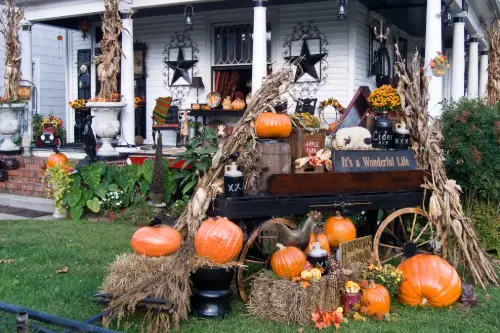
Halloween, with its costumes and candy, used to be much more scandalous. In the late 19th and early 20th centuries, it was notorious for vandalism and drunken mischief rather than child-friendly fun. Communities often dreaded the night because property damage was so common. Some towns even tried to ban it.
The transformation happened when civic groups and candy companies pushed to make Halloween more child-centered. Trick-or-treating was introduced as a way to keep kids out of trouble. At first, some parents resisted, seeing it as begging or extortion. But eventually, the holiday shed its destructive reputation and became one of the most anticipated celebrations of the year.
6. Black Friday
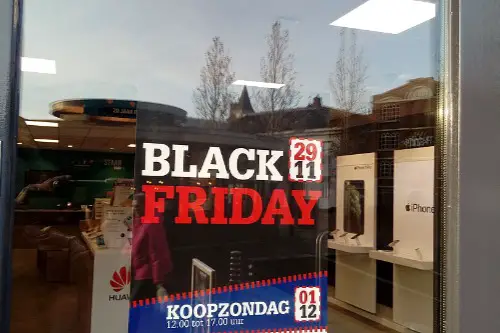
Black Friday is now synonymous with shopping deals, but its name originally had nothing to do with bargains. In 1869, “Black Friday” referred to a financial scandal when two speculators tried to corner the gold market, crashing the economy. It was a day of panic, not shopping. The phrase later got tied to retail in the 20th century but not in a flattering way.
Police in Philadelphia coined it in the 1960s to describe the chaos of post-Thanksgiving crowds. The city was overwhelmed with traffic, shoplifters, and unruly shoppers, creating a nightmare for law enforcement. Retailers hated the term at first because it sounded so negative. Ironically, it stuck and was eventually spun into a “positive” day of holiday discounts.
7. Presidential Inaugurations
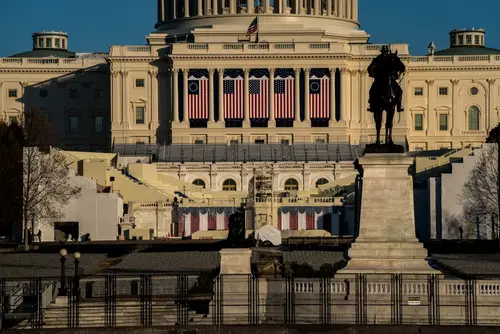
We think of inaugurations as orderly ceremonies, but they didn’t start that way. Andrew Jackson’s 1829 inauguration was so rowdy it turned into a scandal. Thousands of supporters stormed the White House reception, tracked mud on the carpets, and nearly destroyed the furniture. Critics called it a disgraceful mob scene unworthy of the presidency.
That chaotic day set the tone for debates about how inaugurations should be celebrated. Some presidents kept them simple to avoid the spectacle, while others leaned into pomp and showmanship. The idea of inaugural balls was especially controversial at first, with critics saying they wasted taxpayer money. Over time, though, inaugurations became one of America’s most celebrated traditions.
8. Prohibition-Era Speakeasies
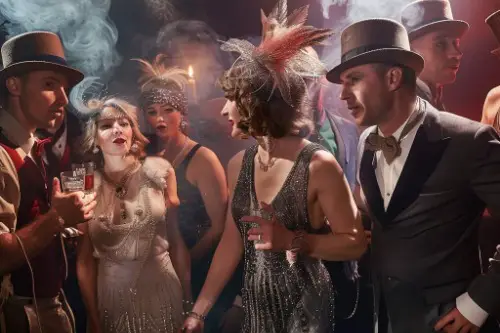
Speakeasies are now romanticized as glamorous Jazz Age hangouts, but they were born out of illegality. During Prohibition in the 1920s, alcohol was banned, yet underground bars popped up everywhere. These secret clubs scandalized traditionalists who thought they eroded morality and law. But they also became spaces where gender and racial boundaries blurred more than in mainstream society.
Law enforcement struggled to shut them down, which only fueled the public’s fascination. Jazz music and flapper fashion thrived in these spaces, even as preachers condemned them as dens of sin. When Prohibition ended in 1933, speakeasies left behind a cultural legacy that shaped nightlife. What began as scandalous crime dens are now remembered as symbols of rebellion and fun.
9. Prom
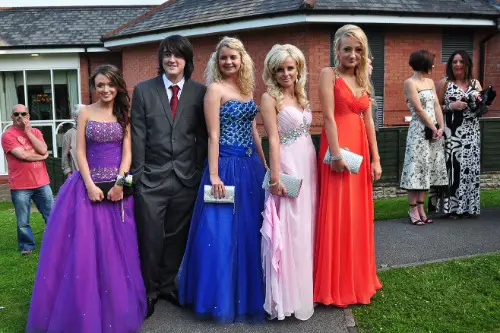
Prom night is seen as a wholesome rite of passage, but it started in controversy. In the late 19th century, colleges began holding formal dances to teach etiquette, but high schools soon adopted the tradition. Critics argued it encouraged extravagance, vanity, and inappropriate behavior among teenagers. Some schools even tried to ban it.
As prom spread in the 20th century, concerns only grew. Chaperones were installed to prevent scandalous dancing and “unsuitable” dates. Despite the criticisms, the tradition stuck and evolved into a multi-million-dollar industry with dresses, limos, and afterparties. What was once a moral battleground is now seen as a cherished teen milestone.
10. Super Bowl Sunday
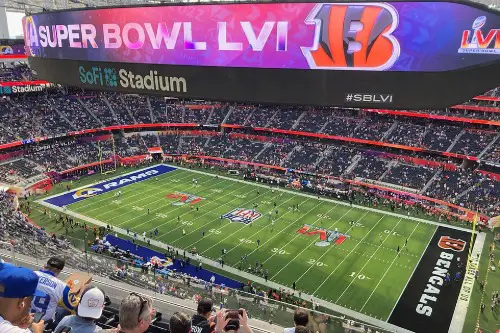
The Super Bowl feels like a national holiday, but its early years weren’t universally embraced. In the 1960s, professional football was still overshadowed by baseball, and some critics saw the Super Bowl as a cheap publicity stunt. Television executives worried about empty stadiums and lackluster ratings. Even the first halftime shows were criticized as tacky.
Over time, scandals around commercialization shaped its image. Debates over advertising costs, over-the-top halftime controversies, and even player strikes created plenty of drama. Instead of hurting the event, these moments kept it in the spotlight. Now, the Super Bowl is the most-watched event in the U.S., but it was once considered a gimmick.
11. Bachelor and Bachelorette Parties
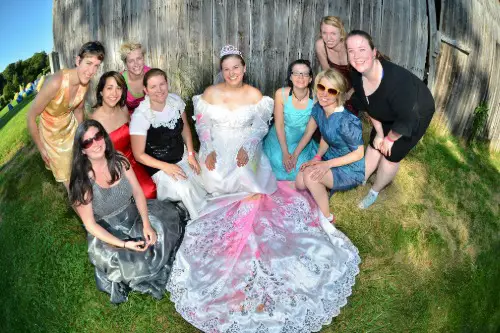
These parties are now standard pre-wedding traditions, but they were once scandalous affairs. The concept of bachelor parties goes back to the 19th century, when they were known for debauchery. Newspapers often described them as immoral gatherings that endangered the sanctity of marriage. Many brides and families strongly disapproved.
Bachelorette parties didn’t catch on until the 20th century, and they too faced heavy criticism. Women celebrating their independence before marriage was considered shocking. Still, the events gained popularity, evolving from secretive affairs to mainstream celebrations. Today they’re as expected as the wedding itself, but their scandalous roots remain.
12. The Rose Parade
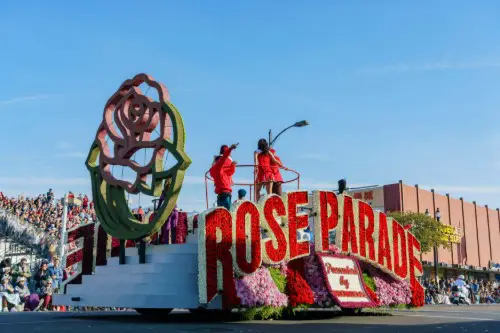
The Rose Parade in Pasadena looks squeaky clean, but its start was tied to controversy. In 1890, members of a local social club organized it to show off California’s mild climate. Critics accused them of flaunting wealth and using the event to elevate themselves socially. For years, debates raged about whether it was exclusionary and elitist.
As the parade grew, so did the spectacle of the flower-covered floats. While many loved it, some considered it wasteful and frivolous. But its popularity ultimately overshadowed the complaints. Now it’s a New Year’s Day staple watched by millions across the country.
13. High School Football
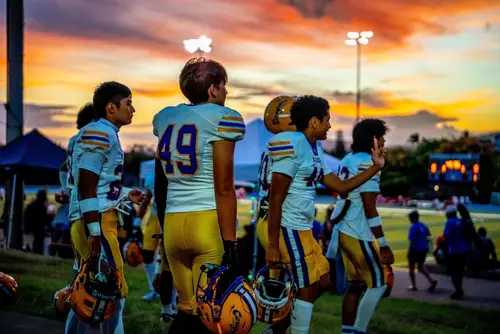
High school football is often portrayed as the heart of small-town America, but its beginnings were controversial. In the early 20th century, football was considered dangerously violent, even at the college level. Several deaths and serious injuries led some schools to ban it. Parents and educators feared it was too brutal for teenagers.
Despite the criticism, schools reintroduced football with stricter rules and safety equipment. Still, accusations of misplaced priorities followed, with critics arguing academics were being neglected. The tension between education and sports persists, but the tradition remains strong. What started as a scandalous sport is now a cornerstone of American school culture.
14. Fourth of July Fireworks
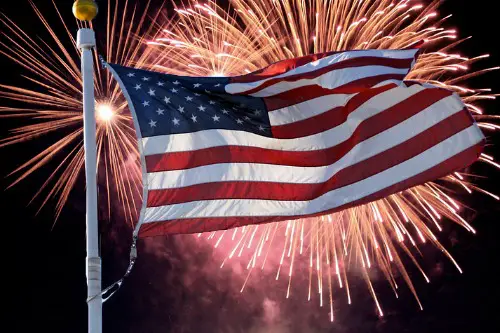
Fireworks are a highlight of Independence Day, but they were once a source of scandal. In the 19th century, celebrations often turned deadly due to accidents with homemade explosives. Cities reported fires, injuries, and fatalities every July 4. Critics called it reckless and demanded the tradition be banned.
By the early 20th century, safety campaigns and organized fireworks displays replaced the chaos. Some still argued it glorified danger and wasted money. But the shift to professional shows turned the holiday into a family-friendly spectacle. Today’s dazzling displays are a polished version of what began as a dangerous scandal.
This post 14 American Traditions That Started as Scandals was first published on American Charm.