1. Victorville, California
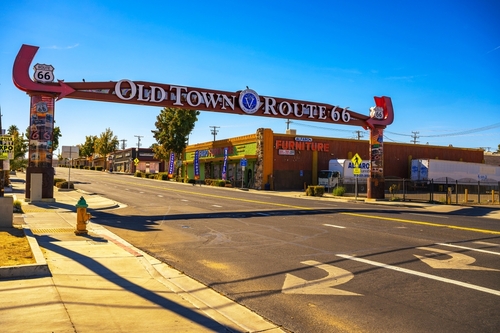
Victorville sits in the High Desert along Interstate 15. It’s become a bedroom community for workers in San Bernardino County and even parts of Los Angeles. Homes are generally cheaper than those closer to the coast. But the distance means commuting can take a serious chunk out of the day.
Drivers heading south often encounter heavy traffic near Cajon Pass. That stretch is a critical gateway between the desert and Southern California’s urban core. When traffic builds up, even modest distances can feel endless. For many Victorville residents, commuting is a test of patience as much as endurance.
2. Stockton, California

Stockton has become one of Northern California’s most famous “super-commuter” cities. Housing costs in the Bay Area pushed many workers east into the Central Valley, where homes were historically more affordable. That means thousands of residents make the long trek toward San Jose, Oakland, or San Francisco every weekday. The distance alone can push commutes well past an hour each way.
Traffic on Interstate 580 and Interstate 205 is a daily reality for Stockton commuters heading toward Silicon Valley. Even with options like the Altamont Corridor Express train, travel times can still stretch out depending on schedules and congestion. Many workers leave before sunrise just to beat the worst of the bottlenecks. By the time they get home, the day can feel like it’s been swallowed by the commute.
3. Riverside, California
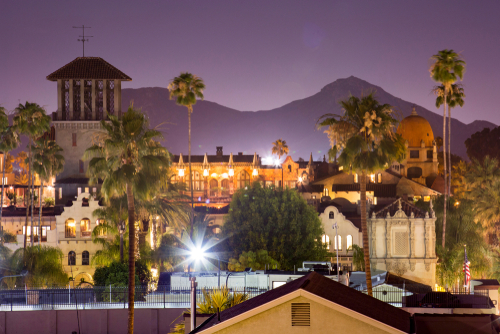
Riverside sits in the Inland Empire, about 60 miles from downtown Los Angeles. Over the years, it has attracted residents priced out of coastal Southern California. The trade-off is a commute that can easily balloon into a multi-hour round trip. Thousands of people drive west every morning toward job centers in Orange County and Los Angeles.
Freeways like the 91 are notorious for heavy traffic during rush hour. Even a relatively short distance on the map can take a surprisingly long time behind the wheel. Some commuters rely on Metrolink trains, but those schedules don’t work for everyone. For many Riverside residents, commuting is simply part of daily life.
4. Palmdale, California
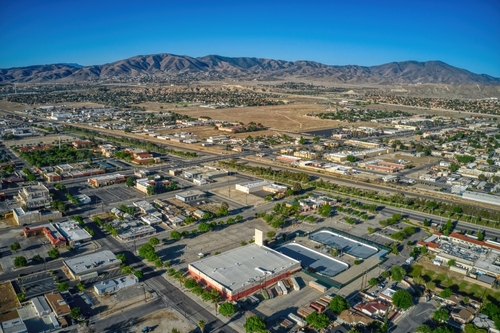
Palmdale is tucked into the Antelope Valley, north of Los Angeles. It offers more affordable housing compared with many neighborhoods closer to the coast. That affordability has drawn people who work in Los Angeles but can’t afford to live there. The result is a steady flow of commuters heading south every morning.
The drive through the mountains via State Route 14 can be long and unpredictable. Traffic, accidents, and weather conditions can quickly stretch travel times. Some commuters rely on Metrolink rail service, but even that trip takes well over an hour to reach downtown Los Angeles. Living in Palmdale often means planning your entire day around the commute.
5. Tracy, California
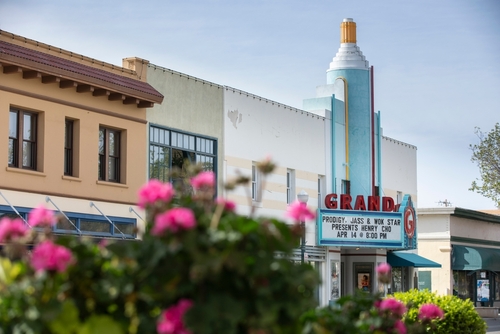
Tracy has quietly become another Central Valley hub for Bay Area commuters. Located along Interstate 580, it sits right on a key corridor linking the valley to Silicon Valley. Lower housing prices have attracted tech workers willing to trade distance for affordability. That decision often means long daily drives over the Altamont Pass.
Morning traffic toward the Bay Area can be relentless. Even with carpool lanes and commuter trains available, demand regularly outpaces convenience. Many people leave home very early just to avoid the worst gridlock. In Tracy, it’s common to meet neighbors whose commute takes longer than their evening downtime.
6. Moreno Valley, California
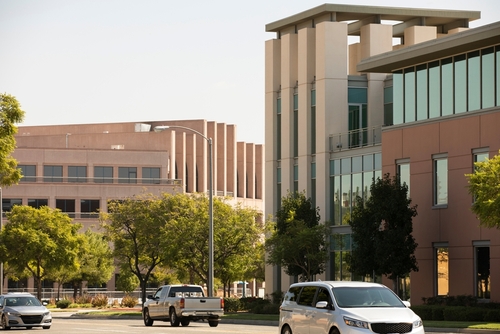
Moreno Valley lies east of Riverside in the Inland Empire. Over the past two decades, rapid growth turned it into a commuter hotspot. Many residents work in Los Angeles, Orange County, or other job centers across Southern California. That makes the morning rush feel like a regional migration.
Freeways like the 60 and 215 carry a constant stream of commuters. Distances might look manageable on paper, but traffic frequently tells a different story. A drive that could take under an hour without congestion often stretches much longer. For locals, commuting is simply baked into the routine.
7. Kissimmee, Florida

Kissimmee sits just south of Orlando and has exploded in population in recent years. Many people move there for relatively affordable housing compared with central Orlando. However, plenty of those residents still work in Orlando’s tourism industry or downtown offices. That means a daily drive north that can be slower than expected.
Highway congestion during peak travel times can quickly turn a short distance into a long trip. Tourism traffic adds another layer of unpredictability. When theme park crowds and commuter traffic collide, the roads can crawl. For Kissimmee residents, the commute can feel surprisingly big for a relatively small metro area.
8. Poinciana, Florida
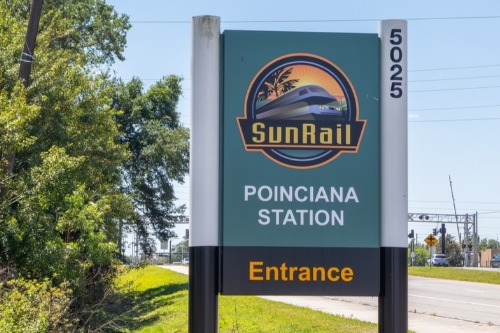
Poinciana is a sprawling community in Central Florida that grew rapidly as housing developments expanded. It sits well outside Orlando’s traditional job centers. Many residents still work in Orlando, Kissimmee, or nearby tourist areas. That distance can make daily commuting a challenge.
The main routes in and out of Poinciana often struggle to keep up with population growth. Limited road capacity means rush hour congestion builds quickly. Even getting to the nearest major highway can take significant time. Residents sometimes joke that the neighborhood feels farther away every year.
9. League City, Texas
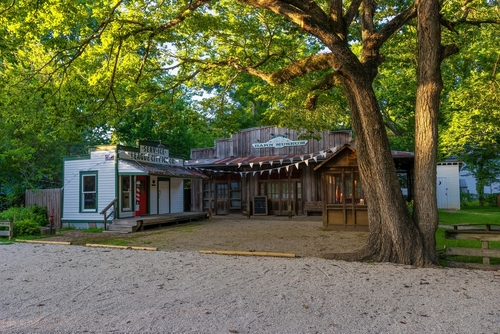
League City is located between Houston and Galveston along the Gulf Coast. It’s an appealing place to live thanks to its waterfront areas and suburban feel. Many residents work in Houston’s energy corridor or downtown offices. That commute north can easily stretch well beyond an hour during peak traffic.
Interstate 45 is the main route into Houston, and it’s frequently congested. Even minor slowdowns can ripple across the entire corridor. Some commuters leave before dawn to get ahead of the rush. Living in League City often means becoming very familiar with Houston traffic patterns.
10. Conroe, Texas
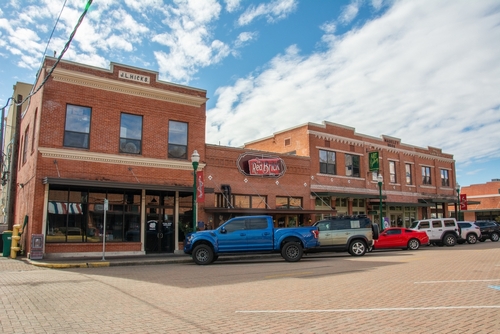
Conroe sits about 40 miles north of downtown Houston. The city has grown rapidly as people search for more affordable housing outside the urban core. Many of those new residents still work in Houston’s business districts. That creates a steady stream of commuters heading south each morning.
Interstate 45 once again becomes the central artery for the daily drive. When congestion builds, the commute can take much longer than expected. The distance alone already makes it a significant trip. Add traffic to the mix, and it can feel like the road never ends.
11. Buckeye, Arizona
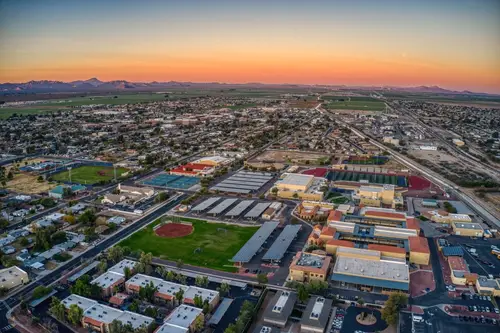
Buckeye is one of the fastest-growing communities in the Phoenix metro area. It sits far west of downtown Phoenix, where many jobs are concentrated. The city offers newer housing developments and more space than many inner suburbs. But that distance from the city center comes with a commuting cost.
Interstate 10 carries most of the traffic into Phoenix. During rush hour, the drive can slow considerably. Even though Phoenix has a reputation for wide highways, congestion still builds along key routes. Buckeye residents often plan carefully to avoid spending too much of their day in the car.
12. Surprise, Arizona
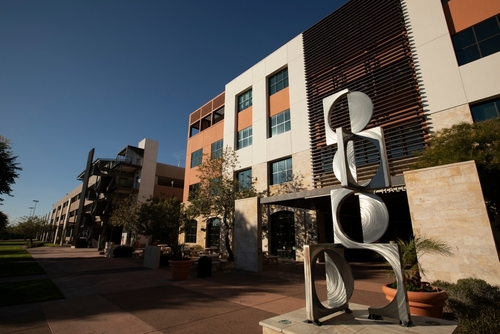
Surprise lies northwest of Phoenix and has grown into a large suburban community. Retirees and families alike are drawn by the quieter environment and lower home prices. However, many working residents commute toward Phoenix or nearby employment hubs. That daily drive can stretch longer than newcomers expect.
Surface streets and highways both fill up during peak hours. The spread-out nature of the metro area means distances add up quickly. Public transit options are limited compared with larger cities. For many Surprise residents, commuting is simply the price of living farther out.
13. Frederick, Maryland
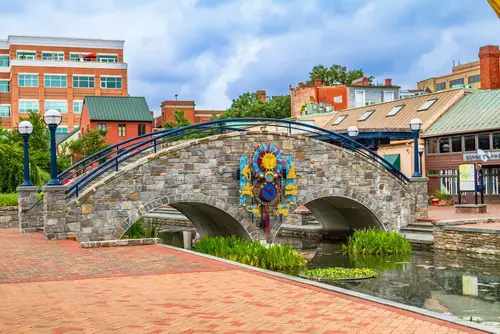
Frederick sits about an hour from Washington, D.C., making it a classic commuter city. Many residents work in federal agencies or private firms in the capital region. Housing costs tend to be lower than closer-in suburbs. That difference has made Frederick a popular alternative for people willing to travel.
Interstate 270 becomes a major bottleneck during rush hour. Even small disruptions can dramatically increase travel time. Some commuters take MARC trains, but schedules and availability vary. The result is a commute that can feel unpredictable from one day to the next.
14. Stamford, Connecticut
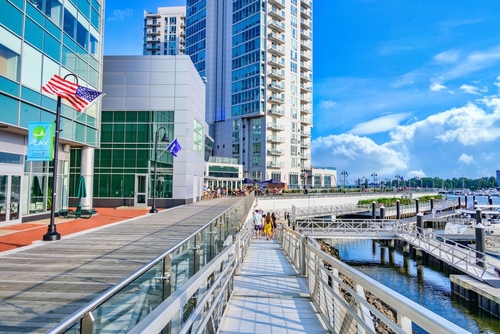
Stamford is technically a city, but it still functions as a commuter hub for New York City. Located along Connecticut’s Gold Coast, it offers a more suburban feel than Manhattan. Many residents work in New York’s financial or corporate sectors. That means thousands of people head south each morning.
Metro-North trains connect Stamford directly to Manhattan. While convenient, the trip still takes around an hour under normal conditions. Add crowded platforms or service delays, and the journey stretches further. For many Stamford residents, commuting is simply the rhythm of life near New York.
15. Easton, Pennsylvania
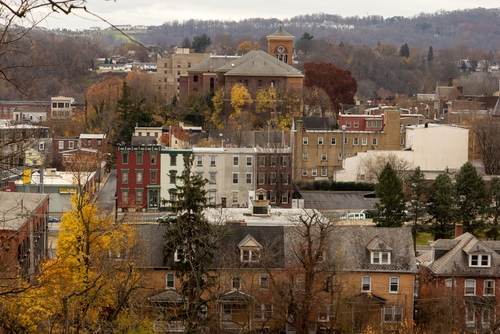
Easton sits in Pennsylvania’s Lehigh Valley near the New Jersey border. Over time, it has become home to many commuters working in northern New Jersey or even New York City. Housing prices and small-town charm make it attractive for people leaving pricier areas. The downside is the long daily drive.
Highways leading toward New Jersey can become packed during peak hours. The distance alone already pushes commutes well past an hour for many workers. Some residents rely on park-and-ride bus services to reach larger transit hubs. Either way, living in Easton often means committing to the long haul.
This post American Towns Where It Feels Like Commutes Last Forever was first published on American Charm.