1. Middlebury, Vermont
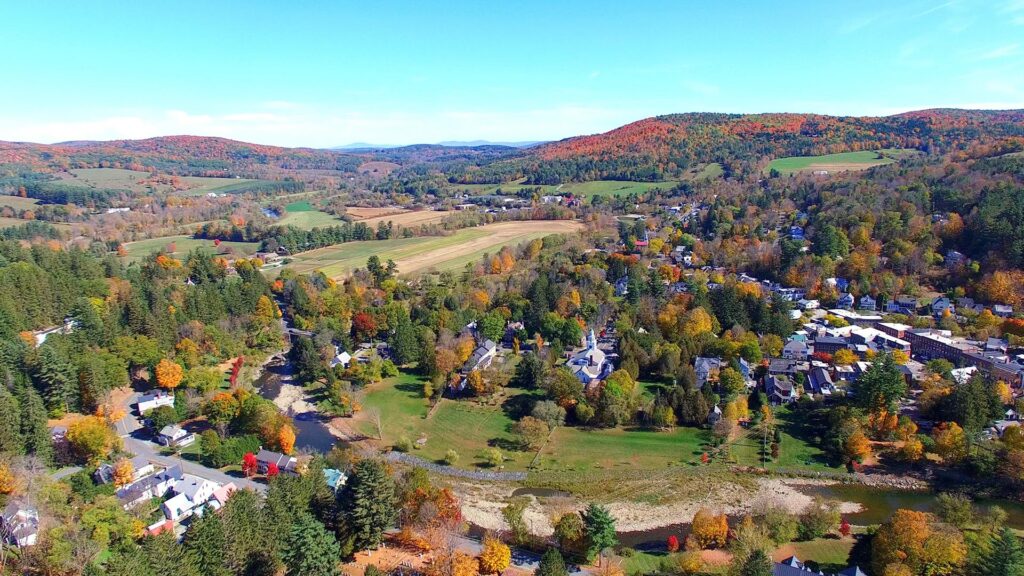
Middlebury has spent decades protecting its walkable downtown and surrounding farmland, and it shows. The town has repeatedly favored infill and reuse over sprawl, keeping big-box development outside the village core. Middlebury College adds energy, but it hasn’t turned the place into a boomtown. Change here tends to come through long planning meetings and consensus rather than sudden transformation.
You can see the slow-change mindset in how historic buildings are adapted instead of replaced. Old mills along Otter Creek have been reused for housing and offices rather than torn down. Zoning and design review keep new construction visually tied to what’s already there. The result is a town that evolves quietly without losing its sense of self.
2. Galena, Illinois
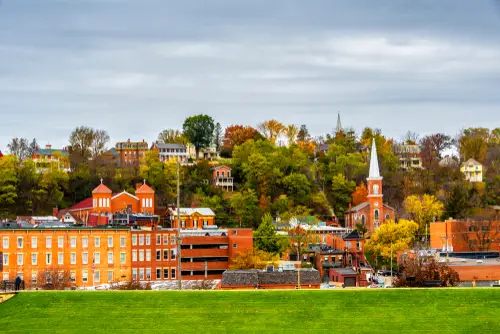
Galena looks much like it did in the 19th century because the town made a conscious decision to stay that way. Its downtown is one of the largest collections of preserved historic buildings in the Midwest. Tourism exists, but it’s carefully shaped around the existing streetscape rather than reshaping it. Growth here is additive and cautious, not disruptive.
The town’s economy leans on small businesses, local inns, and heritage tourism instead of rapid expansion. Building regulations strongly favor preservation and historically appropriate design. Even infrastructure updates tend to happen behind the scenes. Galena changes, but it does so almost invisibly.
3. Beaufort, South Carolina
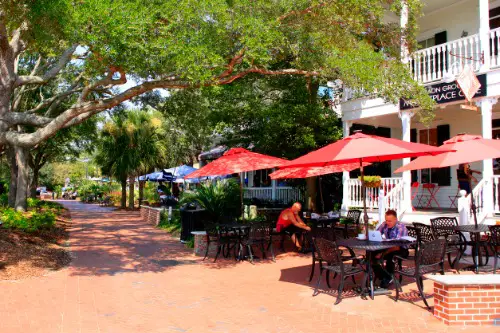
Beaufort has long resisted the high-rise coastal development common elsewhere in South Carolina. Strict height limits and preservation rules protect its historic district and waterfront views. The town values continuity, from Gullah Geechee cultural traditions to long-established neighborhoods. Modernization happens, but only after extensive local debate.
Instead of chasing fast growth, Beaufort invests in maintaining what already works. Older homes are restored rather than replaced with oversized new builds. New businesses often occupy existing structures downtown. This creates a sense that time moves a little more slowly here, by design.
4. Marfa, Texas

Marfa is famous now, but it still operates on a small-town sense of patience. Despite international attention from art tourism, the town remains physically modest. There are no big commercial corridors or sprawling subdivisions. Residents have largely resisted turning Marfa into a resort town.
Change tends to come through individual projects rather than sweeping redevelopment. Old buildings become galleries, studios, or cafes without altering the town’s footprint. Infrastructure and services remain intentionally limited. Marfa’s evolution feels deliberate, even restrained.
5. Nevada City, California
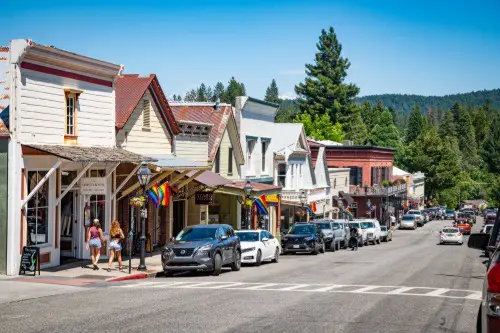
Nevada City has held onto its Gold Rush–era character through careful planning. Its historic downtown is tightly protected, and chain development is limited. The town favors small-scale businesses and community institutions. Growth pressures from Northern California exist, but they’re met with caution.
The community is active in local governance and land-use decisions. Adaptive reuse is common, with old brick buildings housing modern uses. Large developments face heavy scrutiny and public input. As a result, Nevada City changes slowly and with intention.
6. Oxford, Mississippi
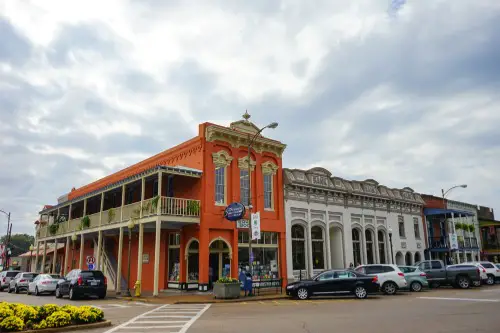
Oxford blends cultural influence with a notably measured pace of growth. Home to the University of Mississippi, it could have expanded aggressively but largely chose not to. The historic square remains the social and commercial heart of town. Development tends to orbit this core rather than overwhelm it.
Town leaders and residents have emphasized preservation alongside progress. Older neighborhoods near campus are protected from large-scale redevelopment. Local businesses still dominate the square. Oxford absorbs change without letting it redefine the town overnight.
7. Port Townsend, Washington
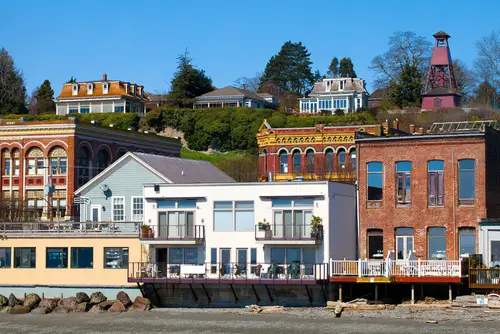
Port Townsend’s Victorian architecture is intact because residents fought hard to preserve it. After economic decline in the early 20th century, the town chose restoration over reinvention. Strict historic district rules still guide new construction. The waterfront remains human-scaled and visually consistent.
Growth here favors craftspeople, maritime trades, and small tourism ventures. New buildings are designed to match the town’s existing character. Large developments face strong community resistance. Port Townsend treats time as an ally, not an enemy.
8. Lindsborg, Kansas
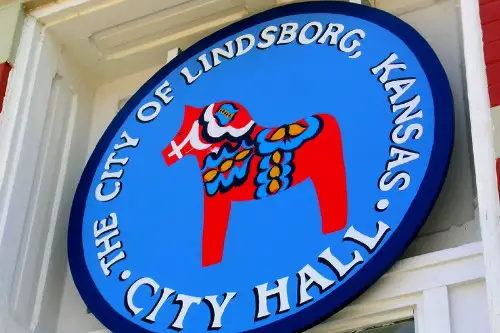
Lindsborg has maintained its Swedish heritage without turning it into a theme park. The town integrates cultural traditions into daily life rather than packaging them for rapid tourism growth. Main Street remains locally owned and modest in scale. Change tends to reinforce identity instead of replacing it.
Planning decisions prioritize continuity and community input. Historic buildings are reused for shops, schools, and civic spaces. Growth happens incrementally, often one project at a time. Lindsborg proves that slow change can still feel vibrant.
9. Ashland, Oregon
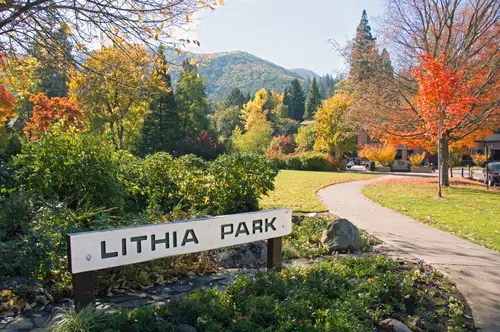
Ashland is known for the Oregon Shakespeare Festival, but the town hasn’t allowed fame to dictate its growth. Height limits and zoning controls preserve views and neighborhood character. The downtown remains compact and walkable. Expansion outward has been carefully constrained.
Residents are deeply involved in land-use debates and long-term planning. Older homes are often renovated instead of demolished. New development is expected to fit the existing scale. Ashland evolves, but it does so thoughtfully and visibly slowly.
10. New Castle, Delaware
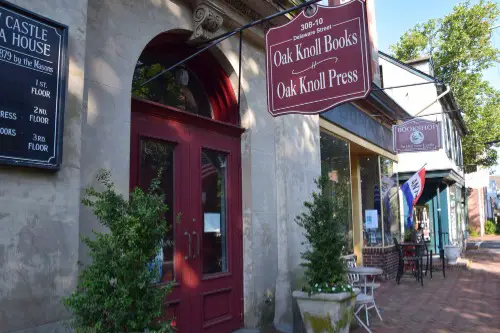
New Castle has kept its colonial layout largely intact for centuries. The town enforces strict historic preservation rules within its small boundaries. Modern development exists nearby, but not within the historic core. This separation allows New Castle to resist rapid transformation.
Change tends to focus on maintenance rather than expansion. Historic homes are updated carefully and often under preservation guidelines. Commercial activity remains limited and locally oriented. The town feels anchored in continuity rather than momentum.
11. Abingdon, Virginia
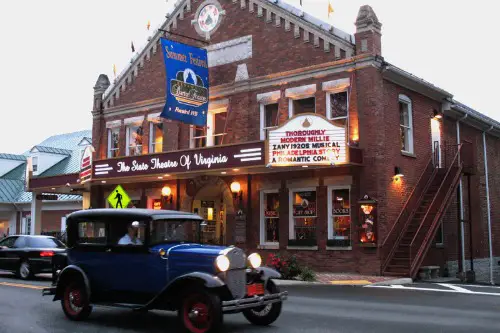
Abingdon balances cultural investment with restrained physical growth. The Barter Theatre brings national attention, but the town itself remains compact. Historic districts are actively preserved. Development outside the core is tightly managed.
Town leaders emphasize adaptive reuse of older buildings. Warehouses and former industrial sites have been converted rather than replaced. Chain development is limited downtown. Abingdon’s progress feels steady, not hurried.
12. Silverton, Colorado
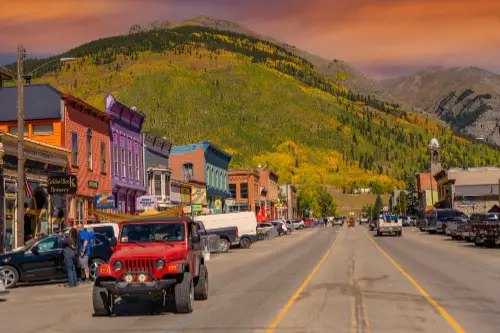
Silverton’s remote location has helped it avoid rapid change. Surrounded by mountains, the town has little room to sprawl. Its historic mining-era buildings remain central to daily life. Preservation is both a necessity and a choice.
Tourism exists, but infrastructure growth is modest. New construction is closely regulated for scale and appearance. Residents value the town’s isolation and continuity. Silverton changes only when it absolutely has to.
13. Skaneateles, New York

Skaneateles has carefully managed growth along its lakefront for generations. Height limits and zoning protect views and prevent overdevelopment. The village center remains small and cohesive. Change is filtered through a strong preservation ethic.
Historic homes are maintained rather than replaced. New businesses often occupy older structures. Large-scale development proposals face significant scrutiny. Skaneateles continues to evolve, but always at its own unhurried pace.
This post American Towns That Still Believe in Slow Change was first published on American Charm.