
1. Sitka, Alaska
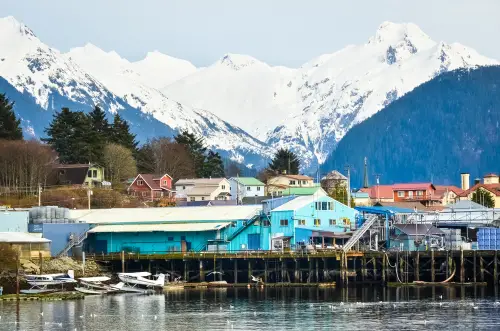
Sitka receives large numbers of cruise passengers despite being small and remote. Locals worry about cultural dilution and strain on infrastructure. At the same time, visitor spending supports many livelihoods. Sitka debates how many cruise ships are too many every year.
Recent increases in ship capacity have renewed concerns. Residents want to protect natural spaces and community rhythms. Businesses, though, appreciate the boost after slow winters. Sitka stays in a tug-of-war between protecting authenticity and embracing tourism.
2. Telluride, Colorado
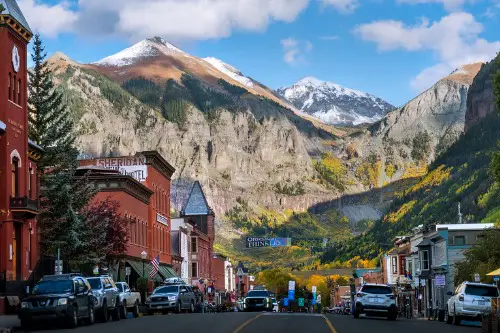
Telluride loves showing off its box canyon views, but locals often groan when a big festival weekend rolls in. The town’s remote location keeps visitor numbers lower than other Colorado hotspots, which residents appreciate. Still, its ski resort and summer events bring in crowds that strain parking and patience. You’ll sense the tension between pride in the town’s beauty and frustration with overtourism.
Many longtime residents worry Telluride is becoming too expensive and too crowded for those who actually live there. Housing shortages push workers to commute from neighboring towns. At the same time, tourism revenues keep businesses afloat through harsh winters. So the town never fully turns visitors away, even if it sometimes seems like it wants to.
3. Bar Harbor, Maine
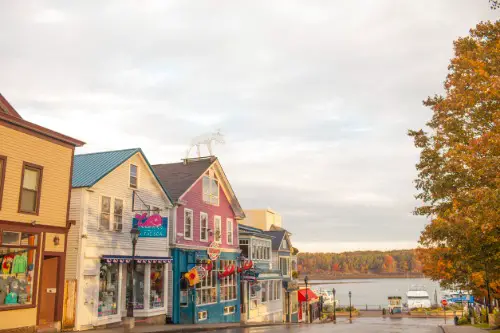
Bar Harbor serves as the gateway to Acadia National Park, which naturally keeps visitor numbers high. Cruise ships add surges of travelers that the small town struggles to absorb. Residents have debated caps on ship landings for years. They want the revenue but not the flood of tourists stepping onto narrow sidewalks all at once.
The town has passed measures to limit cruise disembarkations, reflecting local fatigue. Yet hotels, restaurants, and outfitters rely heavily on visitor dollars. This makes Bar Harbor a place that can’t quite close its doors, even when it feels overrun. The tension shapes almost every local policy discussion.
4. Moab, Utah
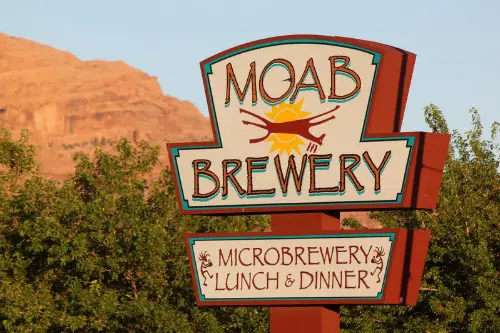
Moab is a dream for adventure seekers thanks to Arches and Canyonlands National Parks. But Jeeps, ATVs, and mountain bikes crowd the area, bringing noise and environmental wear. Locals have pushed for limits on off-road vehicles to regain some quiet. Businesses, however, argue those visitors keep the town thriving.
New noise ordinances aim to calm downtown streets. They haven’t solved everything, but they show how fed up some residents are. Still, Moab’s tourism engine is too big to simply shut down. The town is constantly negotiating how much adventure is too much.
5. Key West, Florida
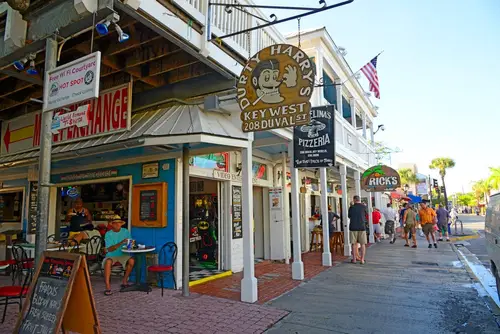
Key West loves its quirky island culture, but that charm attracts overwhelming crowds. Cruise ship traffic has become a flashpoint in local politics. Voters once approved restricting large ships, though state-level decisions complicated enforcement. Many residents want fewer day-trippers and more overnight guests who invest more in the local economy.
Even so, businesses along Duval Street thrive on high foot traffic. Fishing charters, hotels, and bars depend on that constant flow. The island survives on tourism, but also resents how it transforms daily life. It’s a push-pull that never fully resolves.
6. Asheville, North Carolina
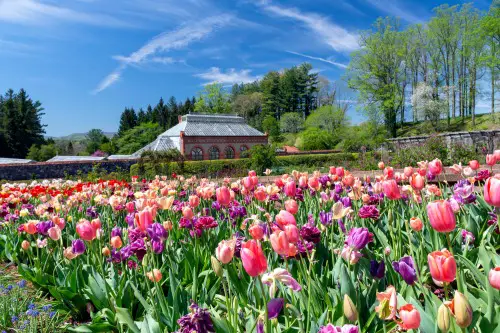
Asheville wins people over with breweries, art, and mountain air. But locals often complain the city feels more like a weekend retreat than a community. Short-term rentals have altered neighborhood dynamics. Meanwhile, the city works to keep tourism sustainable without losing authenticity.
Its brewery scene brings in big crowds, especially during fall leaf season. Hotels stay packed while locals face rising housing costs. Businesses enjoy the boom, but residents fear becoming a tourist caricature. Asheville tries to welcome visitors without being swallowed by them.
7. Jackson, Wyoming
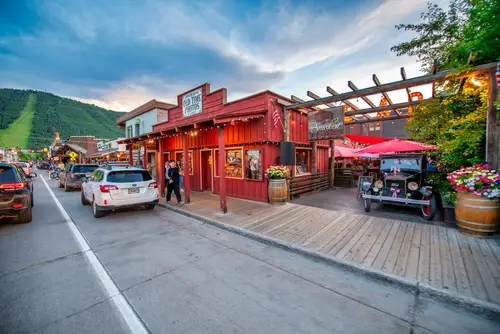
Jackson sits next to Grand Teton and Yellowstone, so it can’t escape tourism. But housing has become so scarce that workers often live across state lines. Residents complain about traffic jams on roads that used to be quiet. Still, visitor spending props up the town’s high cost of living.
Local officials have discussed limiting short-term rentals to manage the strain. Yet the town’s hospitality industry depends on seasonal workers who already struggle to find housing. Tourism keeps the economy going but also pressures locals to the breaking point. Jackson keeps walking a tightrope it didn’t choose.
8. Taos, New Mexico
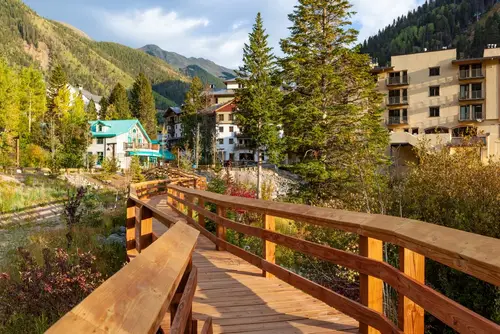
Taos attracts visitors with its art scene, ski area, and historic Pueblo. But locals worry tourism dilutes cultural identity. The town sees seasonal swings that stretch services thin. At the same time, many galleries and shops rely entirely on visitor traffic.
Efforts to protect heritage sites reflect residents’ desire for respect, not crowds. Infrastructure often lags behind peak-season demand. Locals want visitors who stay longer and engage with community life. Yet Taos still depends on steady tourism to thrive.
9. Carmel-by-the-Sea, California
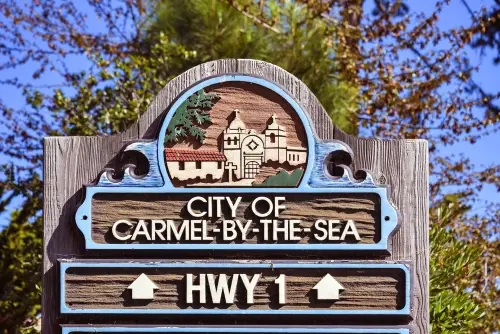
Carmel’s fairy-tale charm draws nonstop foot traffic. Visitors wander through tiny streets not built for heavy crowds. Residents often push back on new hotels or development. The town enforces strict zoning laws to preserve its look, even if that means fewer tourist accommodations.
This desire to maintain “storybook” vibes sometimes conflicts with economic reality. Shops rely on vacationers, especially on weekends. Parking shortages and high prices frustrate both locals and guests. Carmel both courts and resists attention at the same time.
10. South Lake Tahoe, California/Nevada
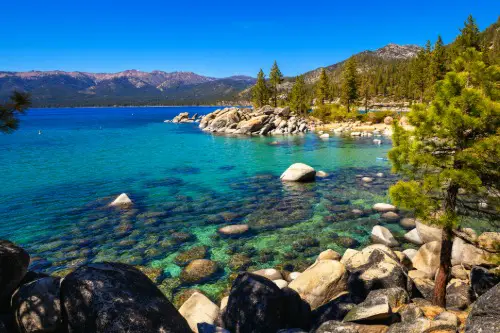
South Lake Tahoe enjoys year-round tourism thanks to skiing, beaches, and casinos. But locals have protested against pollution and overcrowding at popular beaches. Short-term rentals have become a major conflict point. The town wants cleaner, quieter neighborhoods, not party houses.
Still, tourism pays for many public services. Seasonal businesses rely on predictable rushes of visitors. Leaders must balance environmental protection with economic need. The town lives in a state of constant negotiation with its own popularity.
11. Cape May, New Jersey
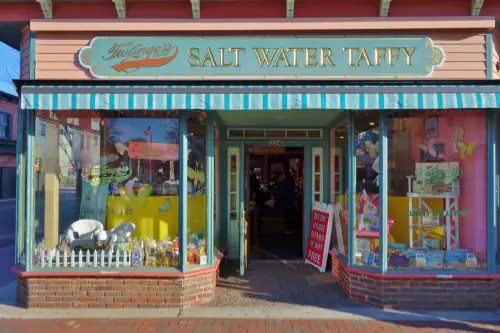
Cape May thrives on its Victorian charm and summer crowds. But residents battle traffic jams and packed beaches every season. Some want limits on large events that draw too many visitors. Yet the town’s historic inns and restaurants depend heavily on summer tourism.
Preservation efforts sometimes clash with expansion proposals. Locals want to protect architecture without inviting endless construction. Businesses welcome visitors with open arms, but not everyone loves the surge of seasonal noise. The town’s identity is tied to tourism even as it strains under it.
12. Sedona, Arizona
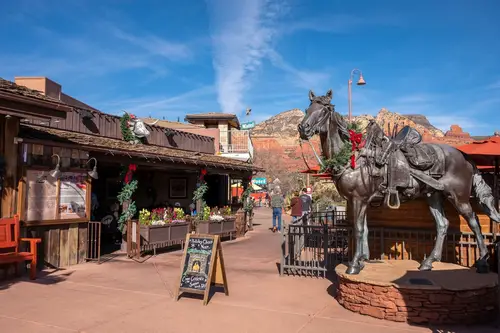
Sedona markets its red rocks and energy vortexes hard, which draws millions of visitors each year. But that popularity has created gridlocked traffic on Highway 179 and overflowing trailheads almost daily. Residents have pushed for stricter short-term rental rules as neighborhoods fill with vacation homes. It’s a classic case of loving tourism’s income but hating what it does to everyday life.
Local leaders have tried shuttle systems to reduce trail congestion. Still, many trails remain overwhelmed, especially around Devil’s Bridge and Cathedral Rock. Businesses want the steady flow of customers, but locals want their peace back. The town’s identity hinges on how well it balances both sides.
13. Estes Park, Colorado
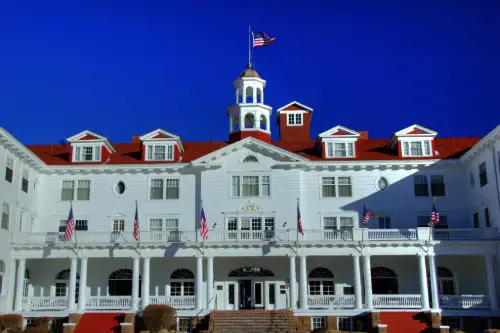
Estes Park is the front door to Rocky Mountain National Park, which guarantees huge visitor numbers. Traffic backups on fall weekends are legendary. Residents worry about wildlife stress and environmental impact. Yet the local economy thrives on tourism dollars from hikers and wildlife watchers.
This has led to shuttle expansions and attempts to manage congestion. Still, the town feels nearly overrun during peak seasons. Locals enjoy sharing their mountain home but not the nonstop crowds. Estes Park remains both proud of and overwhelmed by its popularity.
This post 13 American Towns That Can’t Decide Whether They Want Visitors or Avoid Them was first published on American Charm.

