
1. Boston, Massachusetts
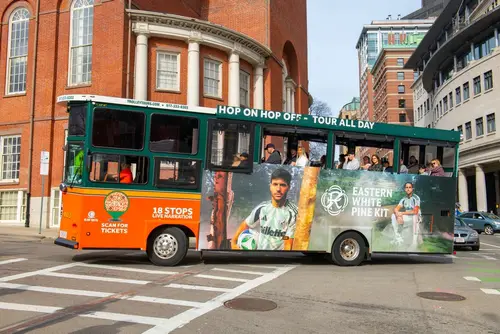
Boston isn’t technically a “town,” but it earns a spot because its layout feels like it predates logic itself. The street plan grew from old cow paths and colonial roads that were never straightened into a modern grid. That’s why you can travel one direction and suddenly find yourself looping around historic buildings. It’s beautiful along the waterfront and historic districts, but navigating it can feel like a puzzle you didn’t study for.
Even locals joke that no two streets meet at a right angle, which adds to the city’s charm but also its confusion. Roads that seem parallel can suddenly diverge around natural features and old boundaries. GPS sometimes gives up and reroutes you three times in a single mile. It’s one of the most scenic, historically rich places in America, but you’ll want patience behind the wheel.
2. St. Augustine, Florida

St. Augustine’s beauty comes from its Spanish colonial history, coquina buildings, and waterfront views. But its historic core wasn’t designed with cars in mind, which makes the narrow, winding lanes a challenge. Streets change names without much warning, and many are one-way only. Visitors usually end up circling the same block while trying to admire the ancient architecture.
What makes it lovely also makes it disorienting. The layout follows the 16th-century settlement pattern instead of modern grid logic. Landmarks are tucked into tight corners, which can feel like a scavenger hunt. It’s a place where getting lost isn’t the worst thing, because every wrong turn reveals something charming.
3. Eureka Springs, Arkansas
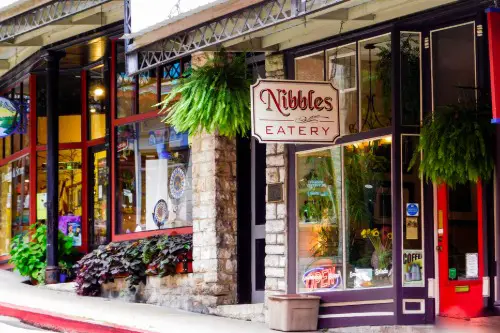
Eureka Springs looks like it was carved directly into a hillside, and the roads reflect that. There’s no true street grid; instead, the roads switchback, curve, and spiral in ways that defy prediction. Buildings cling to slopes, creating layers of streets stacked on top of each other. It’s gorgeous, but it can leave you wondering how you ended up at the same intersection twice.
The town’s Victorian architecture and natural springs give it a storybook quality. Part of its appeal is that the roads adapt to the terrain rather than the other way around. This creates plenty of unexpected turns and oddly angled intersections. It’s the kind of place where your sense of direction gets humbled, even if you consider yourself pretty good with maps.
4. Bisbee, Arizona
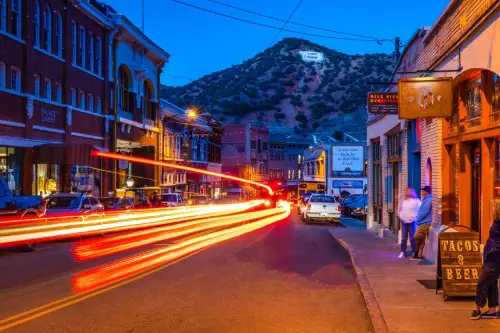
Bisbee sits in a steep canyon, which already makes navigation tricky. Roads were built to follow the natural contours of the mountains, so they twist unpredictably. Some streets end abruptly into staircases, which surprises newcomers. The scenery is stunning, but the directions can feel like they were drafted as an afterthought.
Colorful houses dot the hillside, adding charm while also masking where one street ends and another begins. The mining past shaped the town’s layout more than any city planner ever did. That means zigzagging routes and passages that feel like shortcuts but don’t always lead where you expect. Exploring it feels like wandering a desert mountain labyrinth.
5. Jerome, Arizona
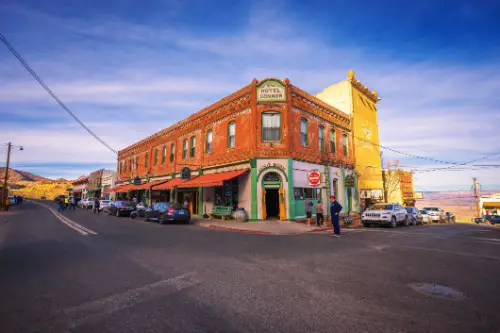
Jerome is perched on Cleopatra Hill, which means most of its streets cling to steep slopes. The roads wind narrowly around the old mining town, creating sudden hairpin turns. Viewpoints are spectacular, but parking and navigation can test your nerves. It’s a place where you can see your destination but not figure out how to reach it directly.
Mining-era construction forced builders to improvise routes. That improvisation stuck, and today’s map looks like someone scribbled on a topographic chart. You’ll find streets that seem to climb vertically and others that dead-end into sheer drops. The result is a breathtaking but bewildering network of mountain roads.
6. Deadwood, South Dakota
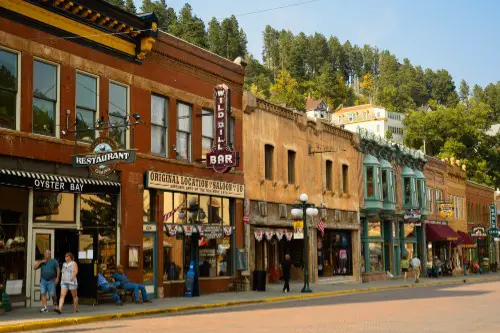
Deadwood rests in a deep gulch, which dictated the entire street plan. The main road runs through the canyon, but the side streets wind sharply up the surrounding hills. Elevation changes mean streets don’t always connect where you expect. The Old West look enhances the charm but doesn’t help with modern navigation.
The town grew organically during the gold rush, so practicality was secondary to opportunity. Buildings and roads were placed wherever the terrain allowed, creating irregular street patterns. Some routes zigzag to gain elevation, while others fade into gravel or forest. It’s beautiful country, but you’ll rely on instinct more than logic to get around.
7. Park City, Utah

Park City’s historic district grew along a narrow mountain valley, and the roads reflect the slope. Main Street runs straight enough, but everything branching off twists sharply uphill. In winter, snow can make those winding routes feel even more complex. Views of the Wasatch Mountains are amazing, but navigation can feel like a downhill ski course.
The town evolved from a mining settlement, so early builders weren’t concerned with future traffic. When ski resorts expanded, development filled in around the existing roads rather than redesigning them. This created a mix of switchbacks, cul-de-sacs, and steep connectors. It’s a beautiful place to visit, though you’ll likely overshoot a turn at least once.
8. Santa Fe, New Mexico
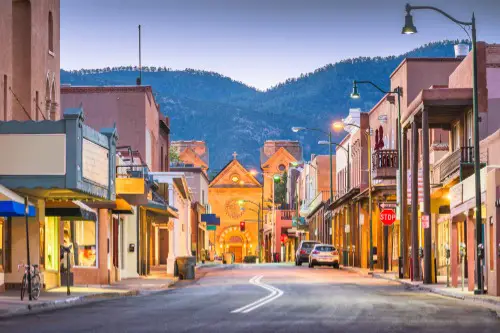
Santa Fe’s historic center follows old Pueblo and Spanish colonial pathways rather than a typical American grid. Streets often curve unexpectedly or end at plazas without a direct continuation. The adobe buildings blend with the environment so well that orientation becomes tricky. It’s visually stunning but not particularly intuitive to navigate.
Because the city developed long before automobiles, its layout prioritizes foot travel and traditional gathering spaces. Those plazas and intersecting alleys make for a fascinating walk but a confusing drive. Street names change at odd angles, and signage can be subtle. That combination makes it a lovely place to wander, but not one where you’ll get anywhere quickly.
9. New Orleans, Louisiana
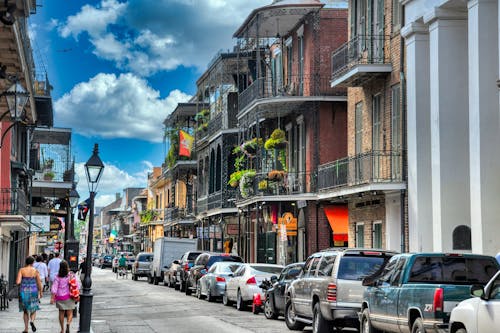
New Orleans is built in a curve of the Mississippi River, and its street grid bends with the riverbank. That means streets that look straight on a map may subtly arc, making directions feel off. Neighborhoods like the French Quarter have tight, irregular blocks that break from traditional grids. The city’s beauty is undeniable, but its street logic can feel elusive.
Because different areas were settled at different times by different cultures, the city never formed one coherent plan. Spanish, French, and American influences all shaped the layout. As a result, grids meet at odd angles, and major streets don’t align with each other. It’s part of what gives New Orleans its character, even if it confuses visitors.
10. Charleston, South Carolina

Charleston’s historic peninsula grew from early colonial settlements, and the street plan reflects centuries of adaptation. The roads wind around natural marshlands and follow old property lines. Some streets are extremely narrow, and intersections don’t always meet cleanly. It’s beautiful, but the layout can leave you second-guessing your route.
Cobblestone streets and preserved buildings make the city enchanting. However, many roads were established long before any consistent planning. Street names change between neighborhoods, and some routes are too tight for modern traffic flow. It all adds up to an experience that rewards wandering more than precision navigation.
11. Sausalito, California
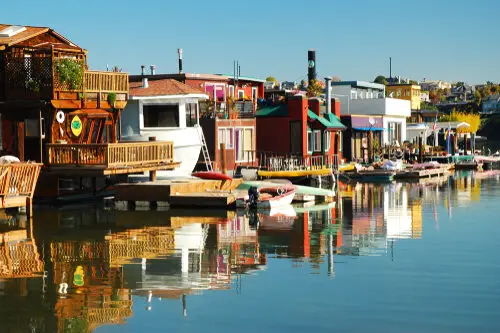
Sausalito climbs the hills overlooking San Francisco Bay, and its streets follow the steep terrain. Roads curve and stack unpredictably as they climb the slopes. Houses tucked into the hills can hide street lines, making it easy to miss a turn. The beauty of the waterfront views is matched only by the challenge of finding your way.
Because the town developed in patches around the hills, the road system lacks uniformity. Some streets have sharp elevation changes, while others end suddenly where the hillside becomes too steep. Parking and turning around can be a small adventure. It’s a stunning place to explore, but best done slowly and with a sense of humor.
12. Bar Harbor, Maine
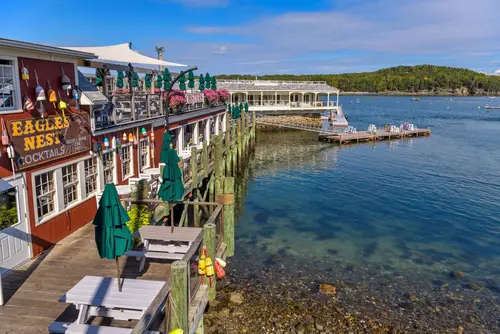
Bar Harbor sits at the edge of Acadia National Park, and its coastal layout reflects the rugged shoreline. Roads bend around coves and natural rock formations rather than following a pattern. Tourist season adds to the chaos as cars funnel into narrow, winding streets. The scenery is spectacular, but navigation can feel like threading a needle.
Because the town grew around both fishing needs and tourism, its development wasn’t uniform. Streets shift direction to accommodate old wharves, hills, and historic buildings. This creates intersections that don’t line up and detours that feel improvised. It’s a charming, salty-air kind of confusion that makes the town memorable.
This post 12 American Towns Built in Beautiful Places That Are Strange To Navigate was first published on American Charm.

