1. Great Lakes Manufacturing Arc
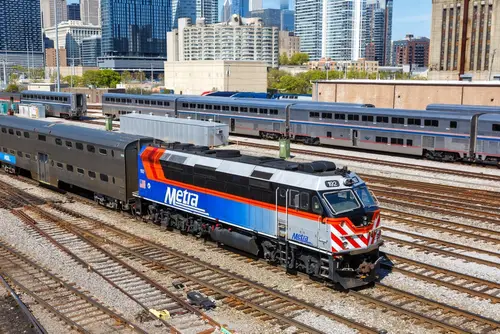
The Great Lakes region has seen a resurgence in EV and battery manufacturing, and expanded infrastructure funding could accelerate that. Rail and port upgrades around lakeside cities may help streamline domestic supply chains. This supports federal priorities around reducing reliance on overseas manufacturing. Improved transportation efficiency could make mid-sized industrial cities more competitive.
Water infrastructure is also a pressing issue in this region, and upcoming funds may target outdated systems. These upgrades could reduce contamination risks in aging municipalities. Investments may also support shoreline restoration tied to climate resilience. Altogether, the region stands to modernize both its economy and environment.
2. Pacific Northwest Tech Corridor
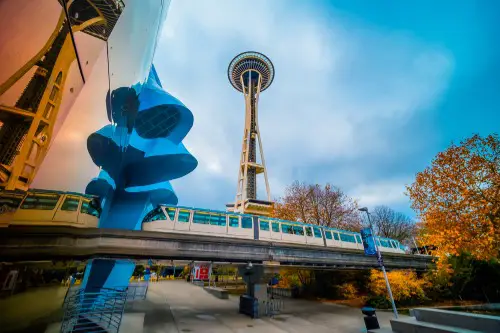
The Pacific Northwest is poised for a surge in green-tech investment thanks to ongoing federal pushes for clean energy infrastructure. Expanded grid updates and new transmission lines could help stabilize power for the region’s growing tech hubs. Cities like Seattle and Portland may see major upgrades to transit systems supporting commuter-heavy industries. This combination positions the region to stay competitive as renewable innovation accelerates.
Residents could also see major improvements in water infrastructure, especially in communities that rely on aging municipal systems. These updates might reduce long-term costs and improve climate resilience. Local leaders have been preparing for opportunities to expand sustainable transportation options. By 2026, the region could feel more connected and environmentally aligned with national goals.
3. Southwest Renewable Energy Belt
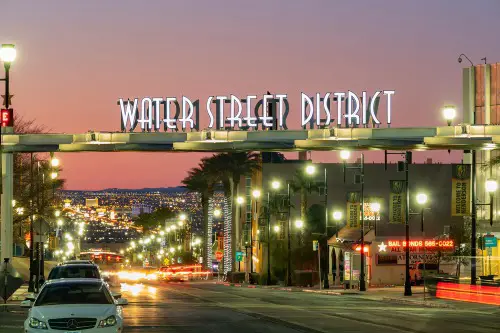
The Southwest has been central to large-scale solar projects, and new federal funds could expand that dramatically. States like Arizona and Nevada may receive support to build out grid storage and modernize transmission infrastructure. These changes could ease strain from extreme heat periods and population growth. Long-distance transmission lines may also help export clean power to other regions.
Highway improvements in desert corridors could improve freight efficiency between western hubs. Rural communities might see new job opportunities tied to energy projects. With better water recycling infrastructure, drought-impacted towns may become more resilient. These shifts could transform how the region manages both energy and climate challenges.
4. Appalachian Connectivity Corridor
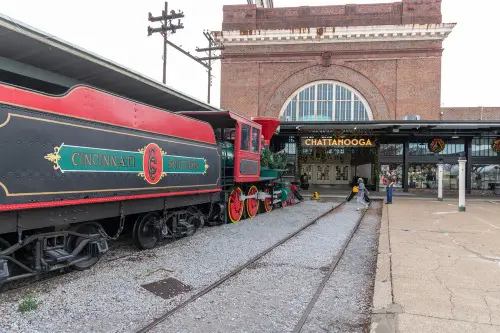
Appalachia has long struggled with broadband gaps, and new funding could close them significantly. Rural broadband expansion may bring new business opportunities to underserved communities. Improved road and bridge repairs along mountain routes could ease isolation and enhance safety. These updates might finally integrate the region into broader economic networks.
Cleaner energy projects could also gain traction in former coal towns. Communities may see investments aimed at modernizing outdated utilities. Workforce development tied to new infrastructure could support long-term economic transitions. These changes could create a meaningful pivot for the region’s future.
5. Gulf Coast Resilience Zone
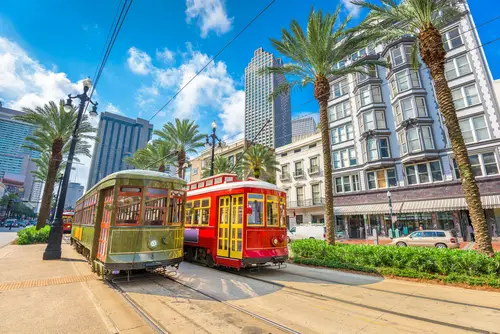
The Gulf Coast continues to face major climate challenges, and 2026 funds may prioritize storm and flood resilience. Upgrading levees, ports, and coastal protections could significantly reduce risk in hurricane-prone cities. Infrastructure investments might also reinforce key oil and shipping industries vital to the national economy. These protections help safeguard both local communities and national supply chains.
Water system modernization is also expected to be a priority for coastal towns. Enhanced wastewater facilities may improve public health outcomes. Transit improvements could support workers in sprawling metros like Houston and New Orleans. With these combined upgrades, the region could improve both sustainability and livability.
6. Midwest Rail Renewal
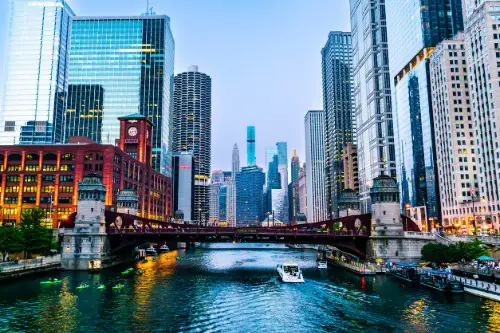
The Midwest may see major rail modernization to strengthen intercity travel and freight movement. Chicago-centered corridors could receive upgrades to reduce delays and maintenance bottlenecks. Enhanced rail infrastructure might support both manufacturing and agriculture industries across multiple states. This could lead to more reliable supply flows nationwide.
Passenger rail expansions could also benefit commuters in growing metros. Improved access may encourage regional travel that reduces roadway congestion. Smaller cities could see economic benefits from better-connected stations. Over time, the region could feel more unified and accessible.
7. Mid-Atlantic Climate Adaptation Hub
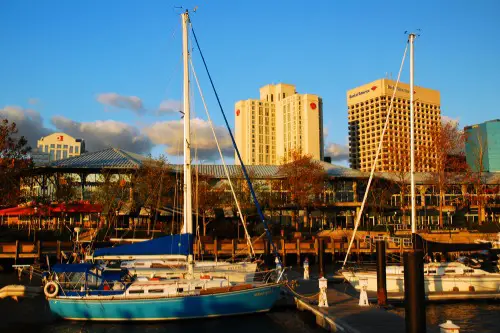
The Mid-Atlantic is likely to receive significant funding to address flooding and sea-level rise. Coastal cities like Baltimore and Norfolk may prioritize stormwater improvements and shoreline protections. These upgrades could reduce costly disruptions from extreme weather events. They may also help safeguard transportation networks that serve millions.
Transit modernization may also be a key focus in dense population centers. Commuter rail and bus systems might see long-overdue upgrades. This improves daily life for residents who rely heavily on public transportation. Combined with climate investments, the region could see substantial quality-of-life improvements.
8. Mountain West Water Security Region
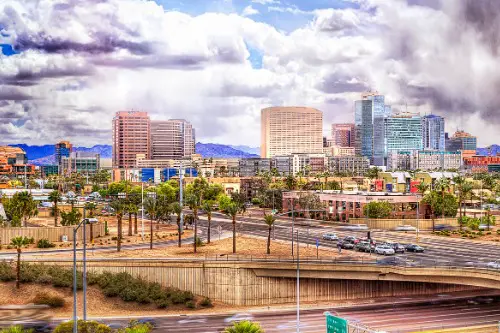
The Mountain West continues to grapple with shrinking water supplies, and new funds could support large-scale conservation projects. Upgraded reservoirs and pipelines may help stabilize access across drought-sensitive states. These changes could support both agricultural and residential demands. With improved management systems, the region may better adapt to long-term climate shifts.
Rural road improvements could also benefit isolated mountain communities. Enhanced transportation options help residents travel more safely and efficiently. Emergency services might become more responsive thanks to better infrastructure. Altogether, the Mountain West could gain new resilience in a changing environment.
9. Southern Freight Super-Route
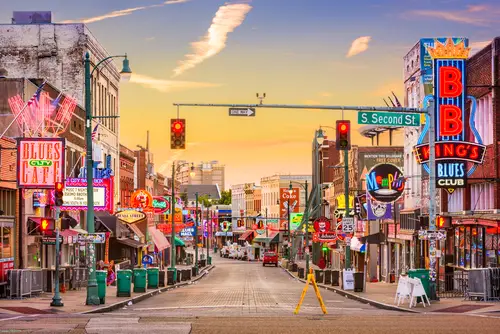
The southern states that anchor key interstates may see heavy investment in freight corridor modernization. Upgrading highways that connect Texas, Georgia, and Tennessee could enhance national logistics. These improvements may relieve bottlenecks that slow down goods movement. Freight hubs could gain a smoother, more efficient flow to ports and rail terminals.
Growth-heavy metros may also use funding to improve public transit systems. As populations rise, reliable mass transit becomes more critical. Water and energy infrastructure may need upgrades to support expanding communities. The region could transform into a more balanced mix of mobility and economic growth.
10. New England Resilient Infrastructure Cluster

New England may benefit from modernization of aging bridges, tunnels, and public transit systems. Coastal vulnerability makes resilience funding especially important for this region. Rail corridors serving Boston and surrounding areas could receive performance upgrades. These improvements could boost economic activity in historic cities.
Rural parts of New England might also see broadband expansion. Better digital access could support small businesses and remote workers. Upgraded electrical grids may improve reliability in storm-prone areas. These developments could help preserve the region’s quality of life while supporting modern needs.
11. Central Plains Agricultural Backbone

The Central Plains rely heavily on efficient transportation for agricultural exports, and funding could target rail and highway upgrades. Improvements may reduce delays for farm goods traveling to processing plants and ports. This enhances national food supply stability and lowers logistical costs. With better road safety features, rural communities could benefit directly.
Water infrastructure may also be prioritized due to aquifer depletion concerns. Projects supporting conservation and irrigation efficiency could help preserve farmland viability. Rural broadband expansions might support precision agriculture technology. These changes could strengthen both the economy and the environment in the region.
12. Florida Growth & Resilience Strip
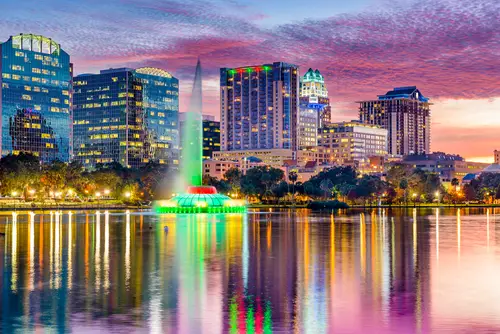
Florida’s rapid population growth continues to strain its infrastructure, and 2026 funds could help relieve pressure. Highway expansions and transit upgrades may address congestion in booming metros. Coastal resilience projects could mitigate flooding risks intensified by rising seas. These protections may support both residents and the state’s major tourism economy.
Upgraded drinking water infrastructure may also become a priority in fast-growing suburban areas. Modernized systems can reduce contamination risks and improve long-term reliability. Transit-oriented development might expand as funding supports new hubs. Altogether, Florida could adapt more effectively to its exceptional growth pace.
13. Northern Border Trade Zone
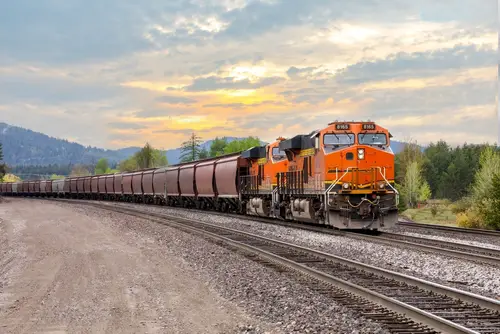
States along the northern border could receive funding tied to international trade improvements. Upgrades to border crossings may improve travel and commercial flows with Canada. This helps reduce delays for industries dependent on cross-border supply chains. Modernized infrastructure could also strengthen energy and utility connections.
Rural communities in these states may also benefit from bridge and road repairs. Better transportation improves access to services in remote areas. Broadband funding could help close digital divides in sparsely populated counties. The region could emerge with stronger economic and logistical ties across the border.
This post 13 American Regions Where 2026 Infrastructure Funds Will Change Everything was first published on American Charm.