1. Appalachia’s Coal Country
For more than a century, coal was sold as Appalachia’s ticket to permanent prosperity. Towns were built around mines with the promise of stable jobs, pensions, and community investment that would last generations. When coal demand fell and mechanization increased, those guarantees evaporated faster than anyone admitted they could. The region is still living with the economic and environmental costs of an industry that moved on.
You can see the legacy in shuttered downtowns and underfunded public services across eastern Kentucky and West Virginia. Many workers were trained for a single industry and left with few alternatives when mines closed. Cleanup obligations were often underfunded or delayed, leaving polluted land and waterways. The promise wasn’t just jobs, but permanence, and that’s the part that never arrived.
2. The Rust Belt Manufacturing Corridor
Midwestern cities like Youngstown, Gary, and Flint were told industrial manufacturing would anchor them forever. Steel and auto plants promised middle-class wages without college degrees and a clear path to homeownership. When globalization and automation accelerated, factories closed or downsized, breaking that social contract. The economic base that local governments depended on collapsed almost overnight.
What remains is infrastructure built for populations and tax revenues that no longer exist. Many of these cities are still paying for roads, schools, and pensions designed for peak employment eras. Retraining programs came late and were often mismatched to local job markets. The promise wasn’t just work, but continuity, and the region is still adjusting to its absence.
3. The Mississippi Delta Agricultural Belt
The Delta was once framed as an agricultural engine that would sustain Black and white communities alike. Mechanized farming and federal crop subsidies were supposed to modernize the region and stabilize incomes. Instead, consolidation reduced the need for labor and concentrated profits in fewer hands. Small towns hollowed out as farm jobs disappeared.
Persistent poverty in the Delta reflects how uneven those benefits were from the start. Education and infrastructure investments lagged even during profitable years. Environmental challenges like flooding and soil degradation compounded economic stress. The promise of shared agricultural prosperity never fully reached most residents.
4. Native American Uranium and Resource Regions
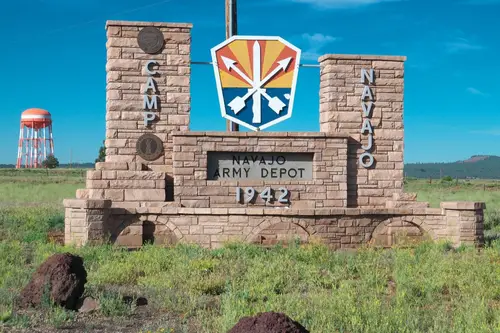
On many reservations in the Southwest, uranium mining was promoted as a path to economic self-sufficiency. During the Cold War, tribal lands were heavily mined with minimal safety oversight. Workers were rarely informed of health risks, and cleanup was deferred for decades. The promised long-term economic benefits never materialized.
Today, many of these communities face high cancer rates and contaminated water sources. Economic development was short-lived, while health and environmental costs proved permanent. Compensation programs arrived slowly and incompletely. The original promise of development ignored who would bear the lasting consequences.
5. Alaska’s North Slope Oil Economy
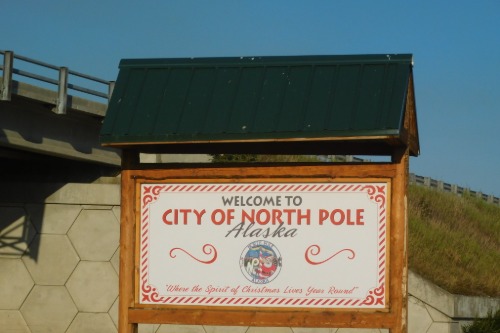
Oil extraction in Alaska was framed as a long-term solution for state revenue and local employment. The Trans-Alaska Pipeline symbolized a future funded by energy wealth. While oil money did transform the state budget, it also made Alaska deeply dependent on volatile global prices. When production declined, that dependency became a liability.
Rural communities near extraction sites saw fewer lasting benefits than expected. Jobs often went to out-of-state workers on rotational schedules. State services expanded during boom years and became harder to sustain later. The promise of stable, self-renewing wealth proved more fragile than advertised.
6. California’s Central Valley Farming Communities
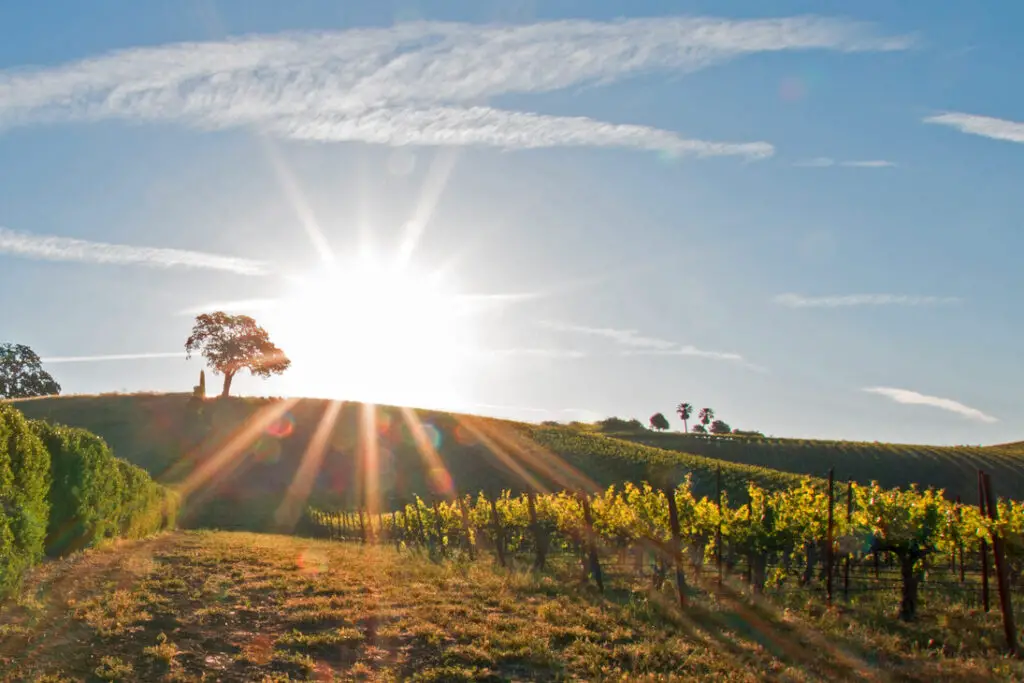
The Central Valley was marketed as an agricultural miracle made possible by massive water projects. Irrigation systems promised steady jobs and thriving towns alongside industrial-scale farming. Over time, water scarcity and agribusiness consolidation changed that equation. Employment became more seasonal and less secure.
Many communities now face high unemployment alongside record agricultural output. Groundwater depletion and drought have added new uncertainty. Farmworkers often live in areas with limited healthcare and housing options. The original promise focused on production, not long-term community stability.
7. Detroit and the Auto Industry Core
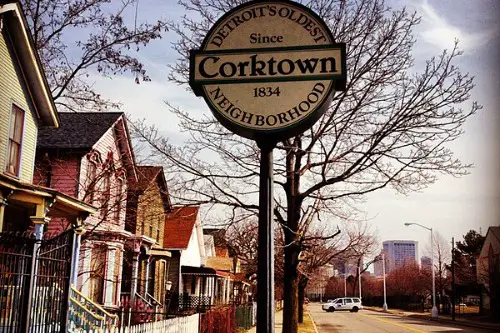
Detroit was built on the assumption that auto manufacturing would remain America’s industrial backbone. Automakers promised stable employment, strong unions, and lifelong careers. As production moved and automation increased, those assurances eroded. Population loss followed job loss in a tight feedback loop.
The city is still rebuilding from decades of disinvestment tied to that collapse. Pension obligations and infrastructure costs linger from boom years. Diversification efforts came late but are now reshaping parts of the economy. The promise wasn’t just cars, but an enduring civic foundation that proved vulnerable.
8. The Texas Oil Patch
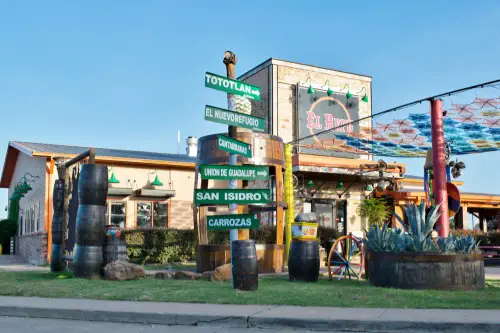
West Texas towns were told oil booms would translate into lasting prosperity. Each cycle brought new housing, roads, and local spending. Busts followed just as predictably, leaving communities overbuilt and underfunded. The volatility was treated as temporary, even when it repeated for decades.
Local economies became dependent on a single fluctuating commodity. Public services expanded during booms and were cut during downturns. Workers faced frequent layoffs and relocations. The promise ignored how instability itself can undermine long-term growth.
9. Southern Textile Mill Towns
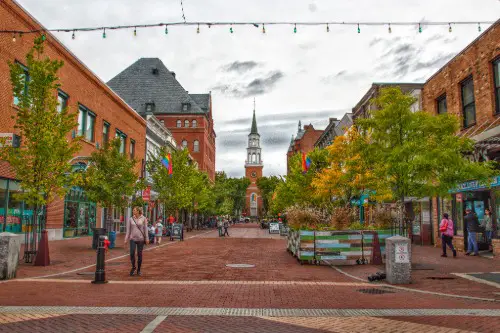
Textile manufacturing once anchored much of the rural South. Mills promised steady work and economic independence from agriculture. When production moved overseas, towns lost their primary employers almost at once. Few replacement industries offered comparable wages.
These communities were often geographically isolated and underprepared for transition. Job retraining programs struggled against limited local opportunities. Younger residents left, accelerating decline. The promise of industrial uplift faded faster than the mills themselves.
10. Military-Dependent Communities

Towns built around large military bases were assured of permanent federal investment. Bases supported local economies through jobs, contracts, and population stability. When closures or downsizing occurred, the impact was immediate and severe. Diversification plans often came after decisions were finalized.
Some communities adapted by repurposing facilities, but many struggled. Housing markets and small businesses suffered sudden shocks. Federal transition aid was time-limited. The promise assumed national priorities would never shift.
11. The Great Plains Railroad and Grain Towns
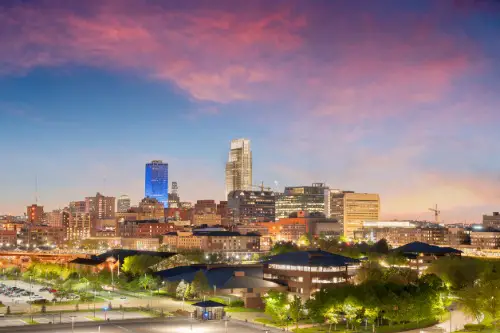
Railroads once promised to turn Plains towns into permanent commercial hubs. Grain elevators, depots, and main streets were built around that expectation. As transportation consolidated and farming required fewer workers, towns lost relevance. Many became bypassed rather than connected.
Population decline followed the loss of rail service and local markets. Schools and hospitals consolidated or closed. Remaining residents often travel long distances for basic services. The original promise of connectivity and growth outlived the infrastructure that supported it.
This post American Regions Still Living With Old Economic Promises was first published on American Charm.