
1. Boston, Massachusetts
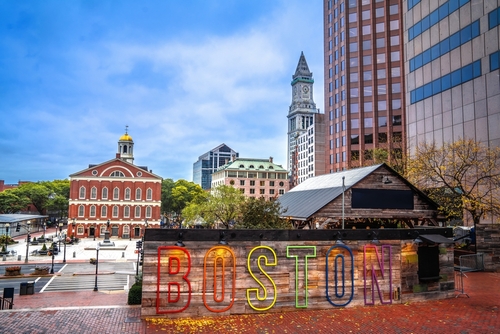
Boston is one of those places where history isn’t tucked away in museums, it’s under your feet. The Freedom Trail literally guides you along brick sidewalks past sites tied to the American Revolution. You can walk from modern office towers straight into 18th-century meeting houses. The city’s street layout still reflects its colonial-era origins, which means it doesn’t always follow a neat grid.
That mix creates moments where past and present overlap in everyday life. Office workers grab coffee near buildings that predate the United States itself. Historic landmarks sit beside contemporary shops and apartments. It feels less like stepping back in time and more like time never fully left.
2. New Orleans, Louisiana
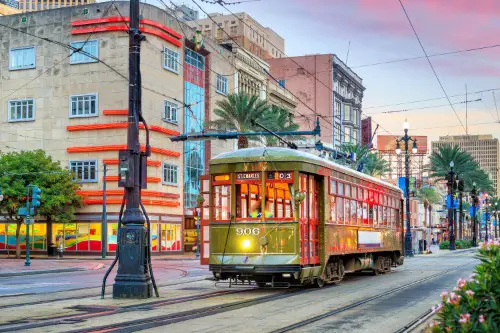
New Orleans blends centuries of history into daily life in a way that feels almost effortless. The French Quarter’s architecture dates back to the 18th and early 19th centuries, yet it’s filled with active bars, restaurants, and homes. Balconies, courtyards, and narrow streets were built for another era but are still fully in use. You’re not observing history here, you’re moving through it.
Music adds another layer that connects past and present. Jazz traditions that began generations ago still spill into the streets nightly. Residents live in buildings that have survived fires, floods, and cultural shifts. The result is a city where continuity feels stronger than change.
3. Philadelphia, Pennsylvania
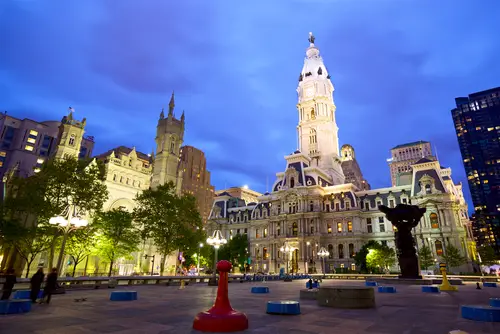
Philadelphia carries its revolutionary past directly into its modern identity. Independence Hall and nearby streets remain central to the city rather than isolated landmarks. Cobblestone alleys still connect residential and commercial spaces. The scale and layout reflect 18th-century planning choices.
People live and work around these sites without much separation from history. You can pass by the Liberty Bell on your way to lunch. Old rowhouses continue to function as everyday homes. The past is woven into normal routines rather than preserved at a distance.
4. Savannah, Georgia
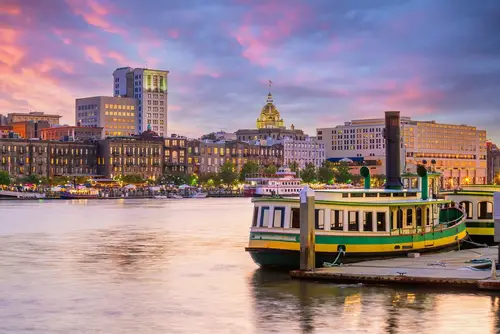
Savannah’s historic district is built around a grid of public squares that date back to the 1700s. These green spaces were designed as gathering points and still serve that purpose today. Homes, churches, and shops from different centuries line the same streets. Spanish moss and old oak trees add to the sense of continuity.
Modern life flows easily through that historic framework. People walk dogs, meet friends, and commute through spaces planned centuries ago. Preservation efforts have kept the architecture remarkably intact. It feels like the city simply kept going instead of starting over.
5. San Antonio, Texas
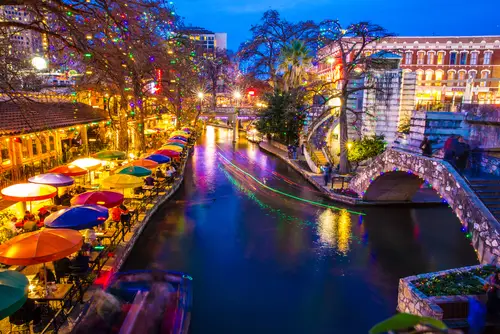
San Antonio’s most famous site, the Alamo, sits right in the middle of a busy downtown. What was once a Spanish mission and battleground is now surrounded by shops, hotels, and traffic. The River Walk adds another layer, blending modern development with historic pathways. You can move between eras in just a few steps.
Spanish colonial influences still shape the city’s architecture and culture. Missions that date back to the 1700s remain active and accessible. Locals and visitors use these spaces rather than just observing them. The city’s growth happened around its history instead of replacing it.
6. Charleston, South Carolina

Charleston’s streets are lined with preserved homes that date back to the colonial and antebellum periods. Many of these buildings are still private residences or businesses. Narrow streets, historic churches, and waterfront views remain largely unchanged. The city’s layout reflects centuries-old planning.
Daily life unfolds within that preserved setting. Residents shop, dine, and commute through spaces shaped long before cars existed. Strict preservation rules have kept the historic character intact. It creates a feeling that past and present are sharing the same stage.
7. St. Augustine, Florida
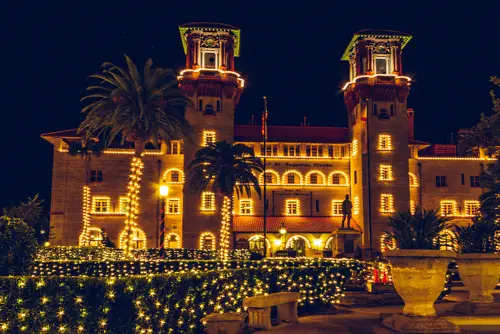
St. Augustine is often called the oldest continuously inhabited European-established city in the U.S. Its historic district includes buildings and street patterns dating back to the 1500s and 1600s. Spanish colonial architecture still defines much of the area. Walking through it feels like stepping into another century.
But it’s not frozen in time. Shops, cafes, and homes operate within those historic structures. The Castillo de San Marcos still overlooks a very active waterfront. It’s a place where centuries-old foundations support everyday modern life.
8. Santa Fe, New Mexico
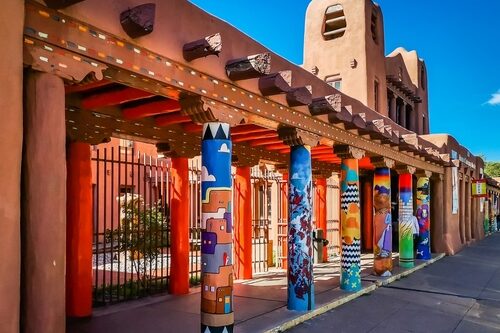
Santa Fe’s adobe architecture reflects traditions that go back hundreds of years. Building codes even require new construction to match the historic Pueblo-style aesthetic. The result is a city where old and new structures look seamlessly connected. It’s hard to tell where history ends and the present begins.
The central plaza has been a gathering place since the early 1600s. Markets, events, and daily activity still revolve around it. Art galleries and restaurants operate in buildings that echo older forms. The past isn’t preserved separately, it’s built into everything.
9. New York City, New York
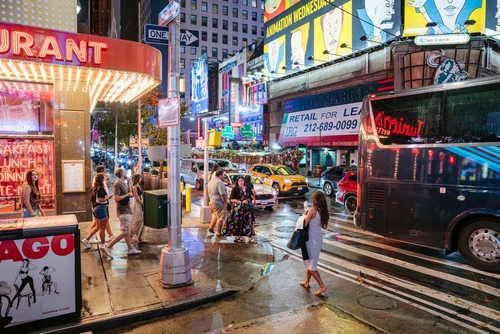
New York City constantly reinvents itself, but it never fully erases what came before. Historic brownstones, early skyscrapers, and modern glass towers share the same blocks. Neighborhoods like Lower Manhattan still follow street patterns from the colonial era. You can see layers of time stacked vertically and side by side.
Old infrastructure continues to shape modern movement. Subway lines built over a century ago still carry millions daily. Landmarks like churches and markets operate alongside cutting-edge businesses. The city’s energy comes from that constant overlap of eras.
10. Washington, D.C.
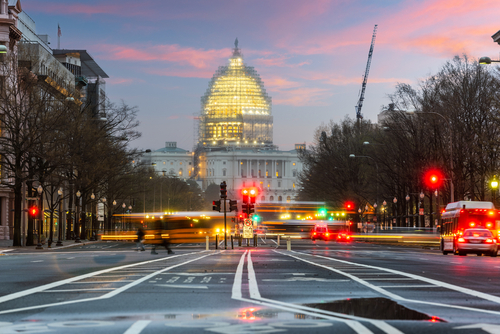
Washington, D.C. was intentionally designed with monumental architecture and long-term symbolism in mind. Many government buildings date back to the 18th and 19th centuries and are still in use. The National Mall connects historic landmarks with modern institutions. It’s a city built to carry its past forward.
Government work happens daily inside spaces that shaped national history. Streets and avenues follow Pierre L’Enfant’s original plan. Protests, celebrations, and everyday commutes all unfold in historically significant spaces. The past feels active rather than distant.
11. Chicago, Illinois
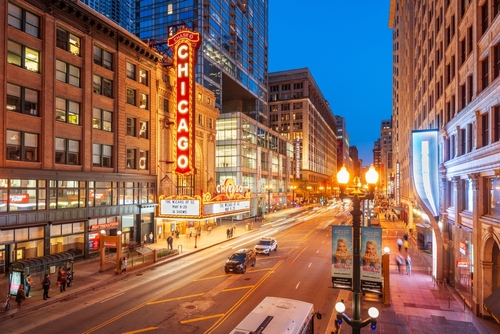
Chicago rebuilt rapidly after the Great Fire of 1871, but it didn’t erase its earlier identity. Historic industrial buildings and warehouses have been repurposed into apartments and offices. Elevated train lines from the late 19th century still run through downtown. The city’s architecture tells a layered story.
Modern development fits around those older structures instead of replacing them entirely. You can see century-old brick buildings next to sleek high-rises. Neighborhoods retain distinct identities shaped by immigrant communities over time. Chicago feels like a conversation between generations.
12. Deadwood, South Dakota
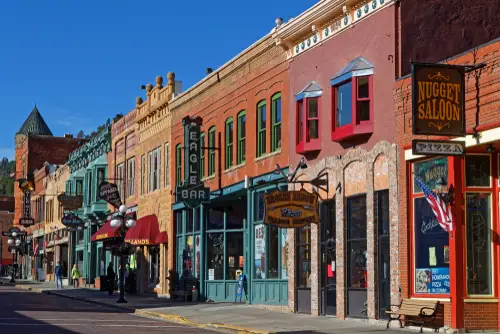
Deadwood began as a gold rush town in the late 1800s, filled with prospectors and gamblers. Many of its original buildings have been preserved or restored. The street layout and storefronts still reflect its frontier origins. Walking through town feels like stepping into a Western film set.
But Deadwood is still very much alive. Casinos, hotels, and restaurants operate inside historic structures. Events and daily life keep those spaces active rather than static. The town blends its Wild West past with a modern tourism-driven present.
This post American Places Where the Past and Present Share the Same Streets was first published on American Charm.

