
1. Times Square, New York City
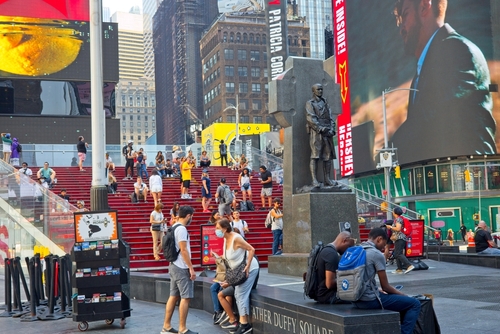
On postcards, Times Square looks like the electric heart of New York, all neon glow and cinematic energy. The reality is that it’s often shoulder-to-shoulder with tourists at nearly every hour of the day. You’ll be navigating costumed characters angling for tips and ticket hawkers pushing comedy shows. It can absolutely be fun, but the chaos is far more intense than the glossy brochures suggest.
The constant congestion makes it hard to pause and take it all in. Traffic crawls through the surrounding streets, adding to the noise and fumes. Bright billboards are impressive, yet they also contribute to sensory overload. If you imagined a romantic, cinematic stroll, you may instead find yourself hustling to escape the crowds.
2. Hollywood Walk of Fame, Los Angeles

In travel ads, the Hollywood Walk of Fame gleams under the California sun, each star sparkling like a piece of history. The idea of strolling among the names of legends feels glamorous and nostalgic. What’s often left out is that the stars run along busy, commercial stretches of Hollywood Boulevard. The surrounding area can feel more gritty than glamorous.
Street vendors line the sidewalks, and you may encounter aggressive souvenir sellers. Traffic is constant, and parking can be surprisingly expensive. While it’s undeniably iconic, many visitors are surprised by how ordinary the setting feels. The magic of the movies doesn’t quite mask the everyday hustle of the neighborhood.
3. Bourbon Street, New Orleans
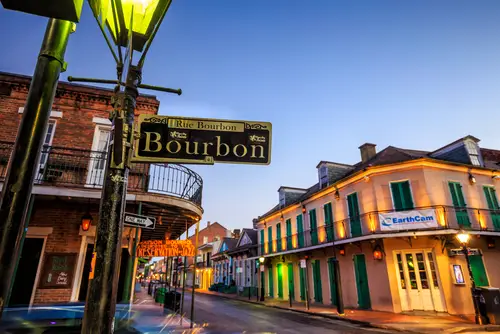
Photos of Bourbon Street promise nonstop jazz, colorful balconies, and festive charm. It’s marketed as the beating heart of the French Quarter’s nightlife. What you actually get most nights is a loud, crowded strip dominated by bars blasting music into the street. The party atmosphere can quickly feel overwhelming.
During peak seasons like Mardi Gras, the crowds swell dramatically. The smell of spilled drinks and the remnants of the night before can linger into the morning. While it’s a rite of passage for many visitors, it’s far less quaint than brochures imply. For a more atmospheric experience, quieter corners of the French Quarter often feel more authentic.
4. The Las Vegas Strip, Nevada
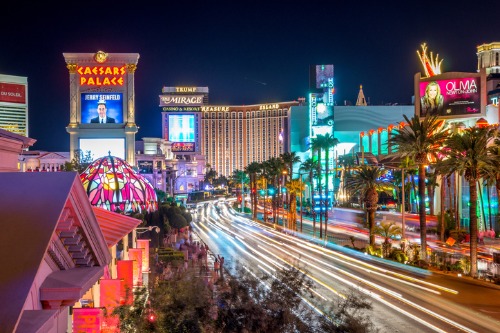
In glossy spreads, the Las Vegas Strip looks like a dazzling adult playground of fountains, replicas, and endless glamour. The skyline at night is undeniably impressive. By day, though, the heat can be relentless, often soaring well above 100 degrees in summer. Walking between resorts is much farther and more tiring than it appears.
The Strip is also filled with crowds, street promoters, and persistent traffic. Casinos pump in noise and flashing lights, which can feel exhausting after a few hours. Resort fees and high prices catch many first-time visitors off guard. The fantasy vibe is real, but so is the sensory overload and expense.
5. Plymouth Rock, Massachusetts
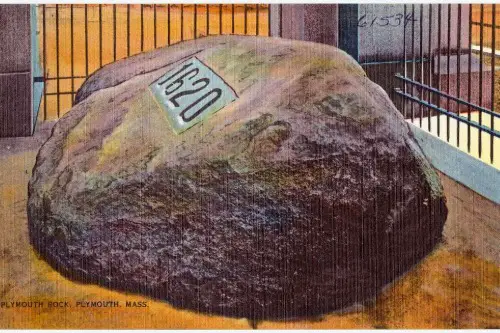
Images of Plymouth Rock suggest a monumental symbol of America’s founding. You might expect a grand, awe-inspiring landmark. In reality, it’s a relatively small rock housed under a classical-style portico by the waterfront. Many visitors are surprised at its modest size.
There’s historical significance tied to the Pilgrims’ arrival, though historians debate the accuracy of the legend itself. The rock bears the date 1620, but it wasn’t identified as the landing site until more than a century later. The setting is pleasant, yet it rarely matches the epic expectations built up in textbooks. It’s a quick stop rather than a sweeping historical experience.
6. South Beach, Miami
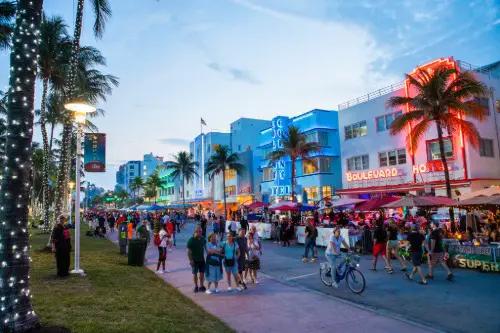
Travel brochures make South Beach look like an endless stretch of turquoise water and perfectly bronzed relaxation. The Art Deco backdrop adds to the cinematic vibe. In peak season, however, the beach can be packed with visitors from around the world. Finding a quiet patch of sand isn’t always easy.
Parking in the area can be expensive and limited. The nearby streets are lively but also crowded, especially at night. Seaweed and strong sun can also affect the idyllic image depending on the season. It’s beautiful, but it’s rarely the serene, empty paradise shown in advertisements.
7. Fisherman’s Wharf, San Francisco
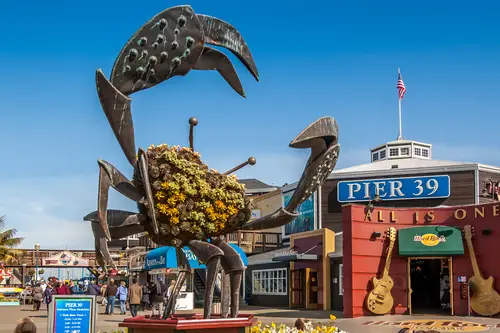
Postcards of Fisherman’s Wharf feature charming boats, sea lions, and bowls of clam chowder by the bay. It looks like a quintessential San Francisco experience. The reality is that it’s one of the city’s most tourist-heavy areas. Many locals actively avoid it except when entertaining out-of-town guests.
Souvenir shops dominate large sections of the waterfront. Restaurants can be pricey, and quality varies widely. The views of the bay and Alcatraz Island are undeniably scenic, but the atmosphere can feel commercialized. If you’re seeking neighborhood character, other parts of the city often deliver more charm.
8. Four Corners Monument, Southwest

The Four Corners Monument is marketed as the only place in the United States where four states meet. The idea of standing in Arizona, New Mexico, Utah, and Colorado all at once is undeniably cool. In reality, it’s a simple concrete plaza in a remote desert setting. The drive can be long and isolated.
There’s an entrance fee to access what is essentially a marked spot on the ground. Vendors often sell crafts nearby, adding a small market feel. The novelty wears off quickly after you’ve snapped your photo. It’s a unique geographic point, but not a destination that fills an entire afternoon.
9. Niagara Falls, New York
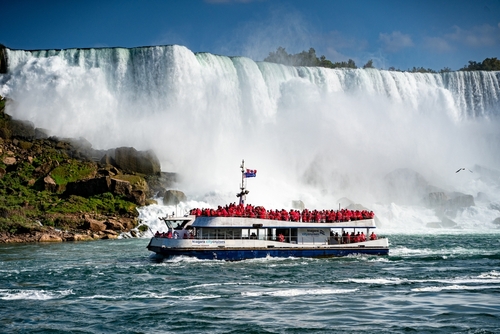
Pictures of Niagara Falls show roaring water framed by mist and rainbows. The falls themselves are powerful and genuinely impressive. The surrounding American side, however, can feel more built-up and commercial than expected. Souvenir shops and chain restaurants line nearby streets.
The area has made revitalization efforts, but some sections still feel dated. Crowds gather heavily in peak summer months, especially around observation decks. The natural wonder is real, yet the surrounding atmosphere doesn’t always match the pristine wilderness image. Many visitors find the Canadian side offers broader views and a more polished tourist district.
10. Mount Rushmore, South Dakota
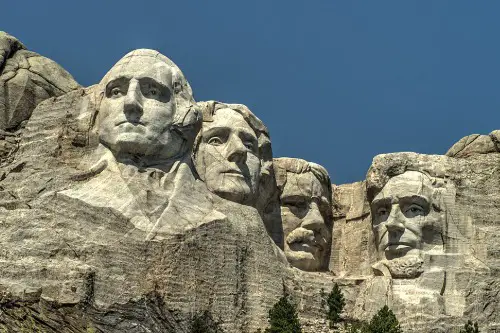
In textbooks and travel magazines, Mount Rushmore appears colossal and isolated against a dramatic sky. The carved faces of four presidents seem larger than life. When you arrive, the monument is impressive but farther away than many expect. Viewing areas are well organized but can feel structured and crowded.
Parking requires a fee, and the site includes a visitor center and gift shop complex. The surrounding Black Hills are beautiful, yet the monument itself doesn’t take long to see. Some visitors are surprised by how quickly they’ve completed the experience. It’s iconic, but not quite the towering, solitary spectacle often imagined.
11. The Original Starbucks, Seattle
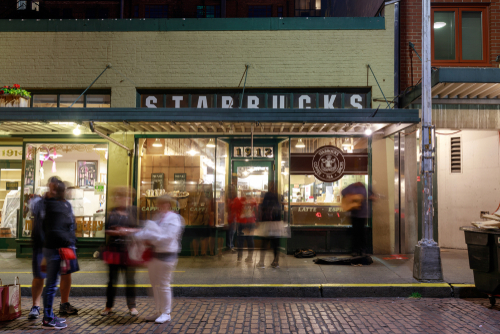
Many travelers seek out the “original” Starbucks at Pike Place Market, expecting a one-of-a-kind coffee pilgrimage. The storefront features the vintage-style logo and draws long lines daily. In truth, it functions much like any other Starbucks location. The menu is largely the same as what you’ll find nationwide.
The line can stretch down the block, especially in summer. You may wait quite a while for a drink you could get elsewhere in the city without the crowd. The surrounding market is lively and worth exploring. Still, the store itself is smaller and less distinctive than many fans anticipate.
12. The Alamo, San Antonio
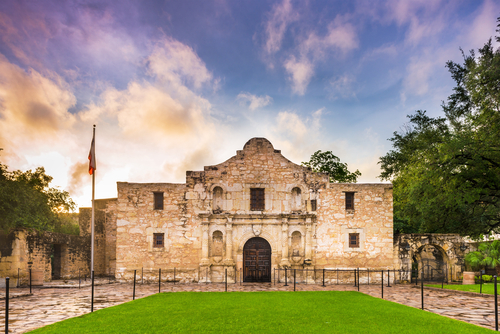
Brochures often present The Alamo as a sprawling fortress standing alone in solemn grandeur. The historic mission is deeply important to Texas history. What surprises many visitors is that it sits right in downtown San Antonio. Modern buildings and busy streets surround the site.
The structure itself is relatively small compared to cinematic portrayals. The courtyard can get crowded, especially during holidays and school trips. Ongoing preservation efforts and exhibits add context, but it’s not an expansive battlefield scene. It’s meaningful and historic, yet far more compact and urban than many expect.
This post American Places That Look Better Way in Brochures Than Reality was first published on American Charm.

