
1. New York City, New York

New York feels perpetually packed because it’s the country’s biggest job hub, tourist magnet, and transit crossroads all at once. Millions of commuters, visitors, and part-time residents cycle through the city every week, creating constant motion even outside peak seasons. Office reopenings, Broadway crowds, and major events keep sidewalks full year-round. That daily intensity can easily mask what’s happening in the population data.
In reality, the city has struggled to regain its pre-pandemic population peak. High housing costs, remote work, and domestic out-migration have kept overall growth flat or negative despite the rebound in tourism. Neighborhoods can feel just as crowded because fewer people are living in smaller households. The city’s busyness is real, but it’s driven more by churn than by growth.
2. Los Angeles, California
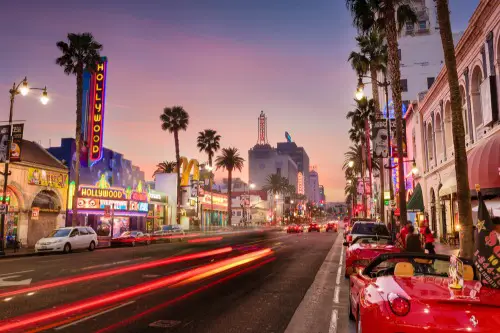
Los Angeles feels busy because it’s spread out, car-dependent, and packed with activity centers rather than one dense core. Freeways stay clogged, beaches stay full, and entertainment districts never seem to sleep. Film shoots, concerts, and sports events create a steady background hum of movement. All of that makes the city feel like it’s constantly expanding.
But Los Angeles has seen population decline in recent years. Housing costs, wildfire risk, and out-migration to other states have offset births and international arrivals. The city still looks crowded because infrastructure was built for more people than currently live there. Traffic and activity remain intense even without population growth.
3. San Francisco, California
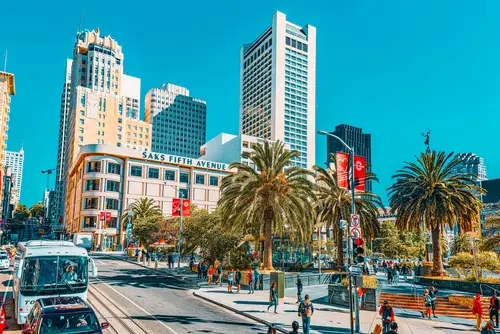
San Francisco’s streets can feel packed thanks to tourism, conventions, and a strong return-to-office push in key industries. Popular neighborhoods still buzz with restaurants, festivals, and weekend foot traffic. Cruise ships, tech conferences, and day-trippers add to the sense of constant motion. On a sunny afternoon, it rarely feels like a shrinking city.
Yet San Francisco lost a notable share of its residents after 2020 and has only partially recovered. Remote work reduced the need to live close to downtown offices. High rents continue to push families and middle-income workers elsewhere. The city feels busy because people pass through it, not because more people are settling down.
4. Chicago, Illinois
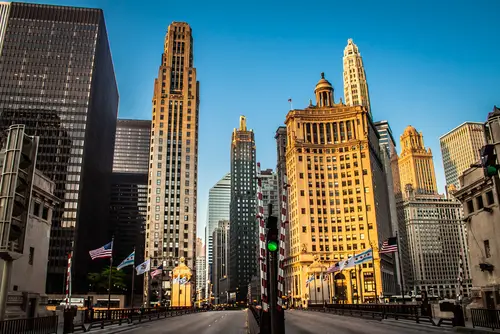
Chicago feels busy because it remains the economic and cultural center of the Midwest. Downtown tourism, major sports teams, and one of the nation’s busiest transit systems keep the city lively. Summers especially amplify this, with festivals nearly every weekend. Visitors often assume all that energy equals growth.
In fact, Chicago’s population has been flat or slowly declining for years. Long-term trends include out-migration to suburbs and other states. Many neighborhoods feel just as dense because housing stock hasn’t disappeared. The city’s activity level reflects its regional importance more than its population trajectory.
5. Atlantic City, New Jersey
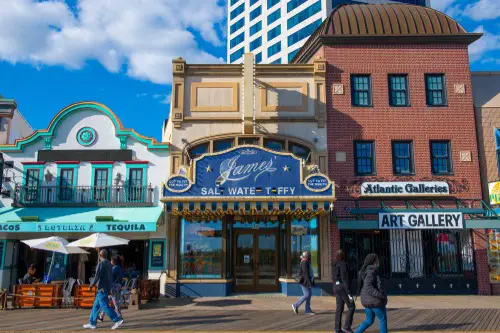
Atlantic City feels busy almost by design, with casinos, boardwalk crowds, and nonstop events. Tour buses, weekend gamblers, and summer vacationers flood the city. The population can double or triple on peak weekends. That constant influx makes the city feel far bigger than it is.
Despite the crowds, Atlantic City’s permanent population has been shrinking for decades. Casino consolidation and economic shifts reduced stable employment. Many housing units sit vacant or are used seasonally. The city’s busyness comes from tourism cycles, not residential growth.
6. Honolulu, Hawaii
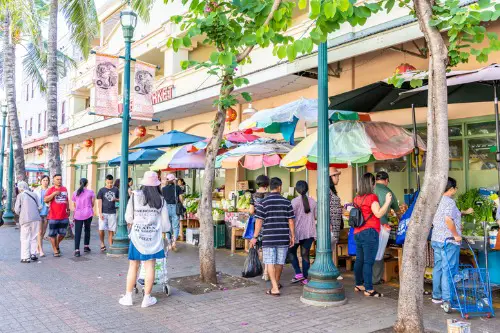
Honolulu feels crowded because it concentrates much of Hawaii’s tourism, jobs, and infrastructure into a small area. Waikīkī alone brings in millions of visitors each year. Traffic, beaches, and shopping districts stay full nearly every day. The island setting intensifies the feeling of limited space.
But Honolulu’s population growth has been minimal or negative in recent years. High living costs and limited housing push residents to the mainland. Military rotations and tourism keep the city active without adding long-term residents. It’s busy because people are always arriving, not because more people are staying.
7. Washington, D.C.
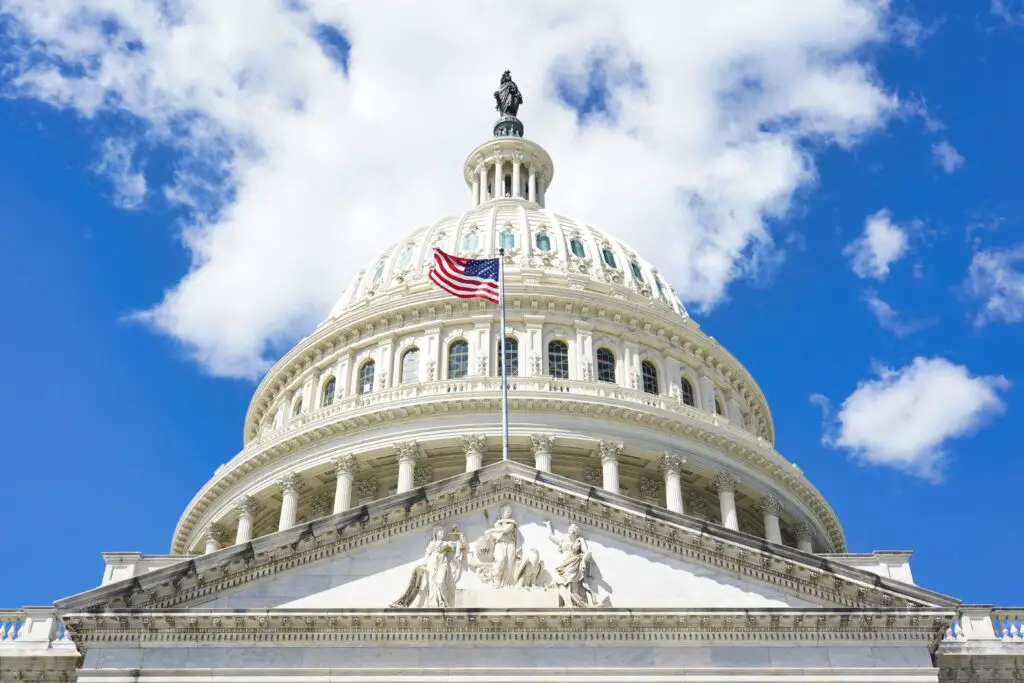
Washington always feels busy because it functions as a workplace for the entire region, not just its residents. Daily commuters from Maryland and Virginia swell the population during business hours. Tourism adds another layer, with monuments, museums, and events drawing crowds year-round. Protests, conferences, and political news cycles keep the city in constant motion.
Despite that activity, the city’s population growth has stalled and recently declined. Rising housing costs and remote work have reduced demand for living close to federal offices. Many workers now commute less frequently or live farther away. The intensity comes from daytime use, not long-term residential growth.
8. New Orleans, Louisiana
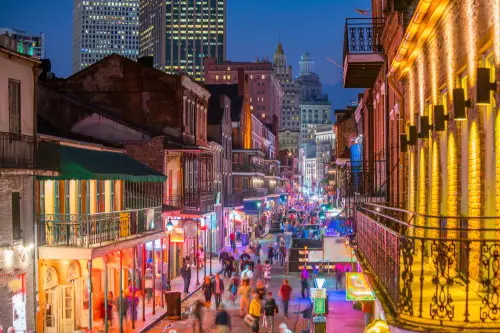
New Orleans feels busy because tourism is woven into daily life. Festivals, conventions, and nightlife bring waves of visitors throughout the year, not just during Mardi Gras. The French Quarter and nearby neighborhoods stay crowded almost every weekend. That constant celebration makes the city feel like it’s booming.
In reality, New Orleans has struggled to regain population lost after Hurricane Katrina. Growth has remained slow or negative due to housing costs, insurance challenges, and climate risk. Many neighborhoods have fewer residents than they did decades ago. The city’s energy is driven by visitors, not by a growing population base.
9. Boston, Massachusetts
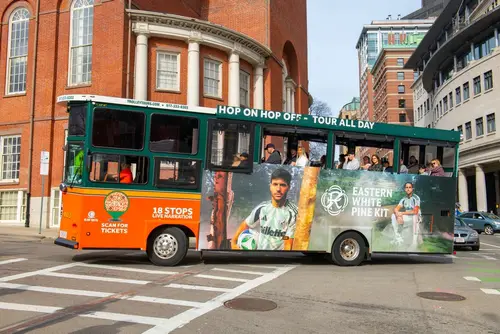
Boston feels busy because of its dense layout and heavy concentration of universities and hospitals. Students, faculty, medical workers, and tourists all overlap in a relatively small area. Seasonal influxes during the academic year keep neighborhoods lively. The city’s walkability amplifies the sense of crowding.
But Boston’s population growth has been modest and recently flat. High housing prices limit who can afford to stay long-term. Many students leave after graduation rather than settling in the city. The busyness reflects institutional churn more than sustained growth.
10. Seattle, Washington
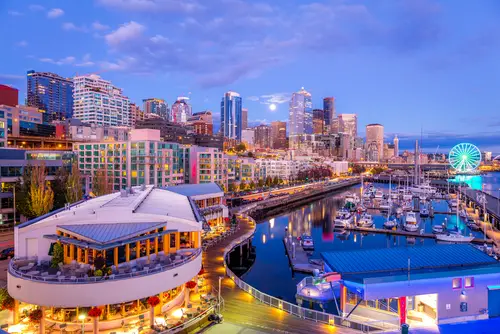
Seattle still feels busy thanks to its tech presence, port activity, and outdoor tourism. Downtown foot traffic has picked up during events and cruise season. Major employers continue to draw workers into the city during the week. From the outside, it looks like the boom never ended.
Yet Seattle’s population growth slowed sharply and dipped in recent years. Remote work reduced the need to live near tech offices. Housing costs pushed some residents to surrounding cities. The city feels active because of jobs and visitors, not because more people are moving in.
11. Niagara Falls, New York
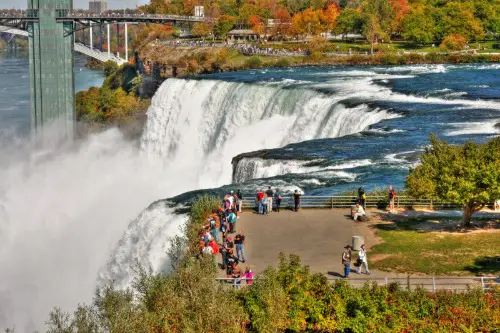
Niagara Falls feels busy almost every day due to nonstop tourism. Visitors crowd observation decks, hotels, and restaurants near the falls. International travel and bus tours keep the area active well into the evening. The natural attraction creates a steady stream of people.
Meanwhile, the city’s permanent population has been declining for decades. Industrial job losses and limited economic diversification reduced long-term residency. Large areas away from the tourist core are sparsely populated. The crowds belong to the landmark, not the city itself.
This post American Places That Feel Busy—but Aren’t Actually Growing was first published on American Charm.

