1. Albuquerque, New Mexico
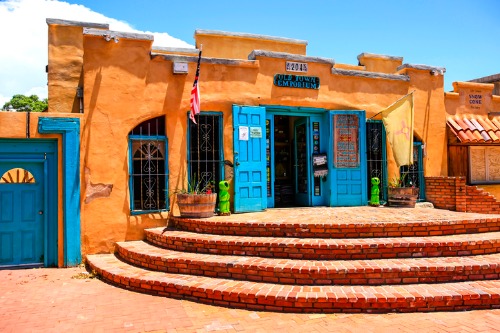
Albuquerque stretches across the desert, prioritizing efficiency over comfort. Roads and highways make travel straightforward but pedestrian life challenging. Residential areas are practical, built to endure the arid climate. Buildings focus on durability rather than warmth.
Downtown is functional, with office and commercial spaces arranged for access rather than aesthetics. Parks and plazas exist but feel open and utilitarian. Public transit is secondary to cars. Albuquerque proves desert planning often favors efficiency first.
2. Houston, Texas
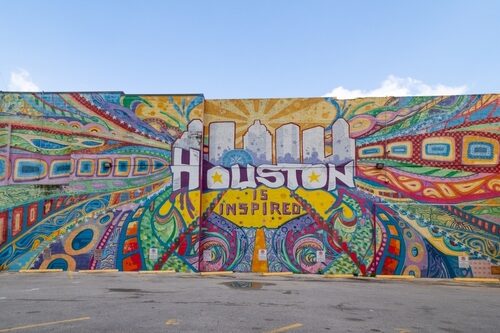
Houston sprawls endlessly, making a car more necessity than convenience. Massive freeways dominate the landscape, designed for commuters and traffic flow above all else. Neighborhoods are scattered, leaving public transit struggling to keep up. The city feels built for movement, not leisurely strolls.
Air conditioning helps, but sidewalks and pedestrian spaces are sparse. Suburban subdivisions favor uniformity and efficiency over charm. Shopping centers cater to drivers more than walkers. Houston prioritizes logistics and accessibility, often at the expense of comfort.
3. Phoenix, Arizona
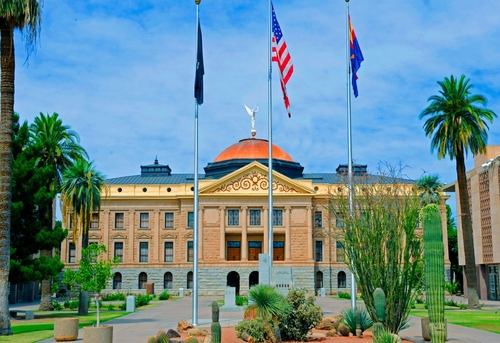
Phoenix is an endless grid of wide roads and sprawling suburbs. Navigation is efficient, but the city rarely feels intimate. Urban planning here emphasizes practicality over aesthetic appeal. Comfort is often sacrificed to survive desert heat and facilitate traffic flow.
Walking in Phoenix is challenging under the sun, and shade is limited. Buildings focus on staying cool, not being inviting. Public spaces are functional rather than leisurely. The city proves that efficiency often trumps coziness.
4. Las Vegas, Nevada
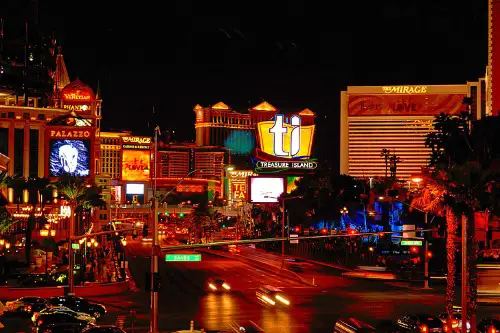
Las Vegas is built to keep people moving fast, especially along the Strip. The city prioritizes easy access from casino to casino, with massive parking lots and roads everywhere. Pedestrian comfort comes second to economic circulation. Everything is designed for speed and turnover.
Outside tourist zones, neighborhoods are sprawling and uniform. Sidewalks are minimal, and public transit feels secondary. Efficiency here isn’t just industrial—it’s social and financial. Las Vegas works hard but rarely slows down for comfort.
5. Dallas, Texas
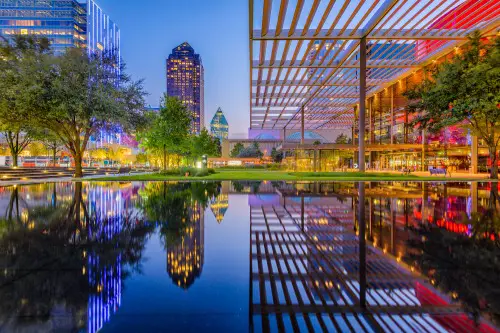
Dallas is a city designed for business and commuting. Expressways dominate, connecting office parks and industrial zones with precision. Pedestrian areas exist but often feel tacked on. Everything is arranged for smooth traffic flow, not for cozy exploration.
Downtown is functional, with towering buildings and concrete expanses. Parks are scattered, often tucked between highways. Even public transit prioritizes efficiency over charm. Dallas favors speed and convenience, leaving comfort behind.
6. Atlanta, Georgia

Atlanta stretches wide, built for commuters more than walkers. Highways and sprawl dominate, with residential neighborhoods designed for uniformity and accessibility. Sidewalks are inconsistent, and pedestrian comfort is often ignored. The city thrives on movement and logistical flow.
Downtown is practical, with office districts and shopping areas optimized for circulation. Parks exist, but intimacy is rare. Even green spaces are designed for function rather than leisure. Atlanta shows how urban planning can favor efficiency above all else.
7. Indianapolis, Indiana
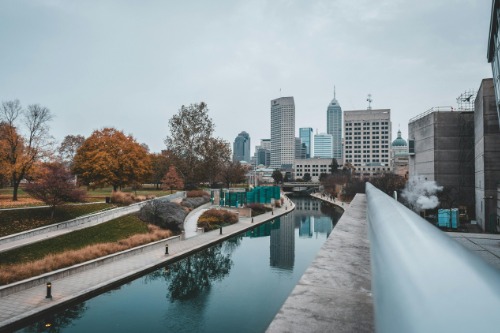
Indianapolis is a city of grids and wide streets, built for navigation and traffic efficiency. Suburban strip malls and large parking lots dominate the landscape. Residential neighborhoods are practical, not cozy. Walking feels secondary to driving.
Downtown emphasizes function, from civic buildings to sports arenas. Parks and public spaces serve purpose more than pleasure. The city’s layout is logical but rarely inviting. Indianapolis shows efficiency can shape an entire urban personality.
8. Miami, Florida
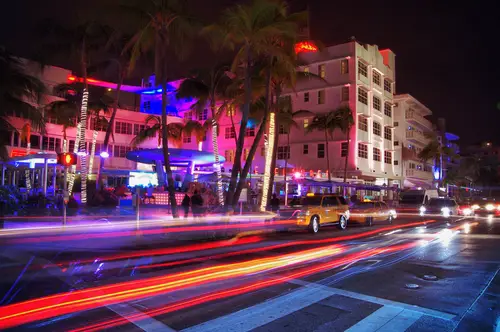
Miami is all about speed and development. Roads stretch across neighborhoods and along the coast, often leaving pedestrians behind. High-rise buildings prioritize occupancy over charm. The grid is practical but unforgiving in the summer heat.
Beaches and parks are functional, built for maximum capacity. Shade and small-scale comforts are scarce. Public transportation exists but lags behind car traffic. Miami pulses with energy but rarely offers cozy corners.
9. Jacksonville, Florida
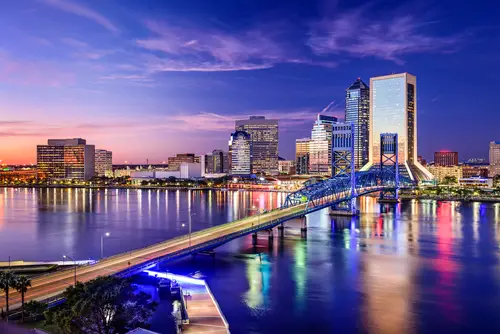
Jacksonville’s massive size demands efficiency. Highways connect sprawling suburbs to commercial hubs, with sidewalks often minimal. The city is designed for driving, not lingering. Sprawl dominates, making pedestrian life challenging.
Downtown emphasizes function, with industrial zones and office complexes leading the skyline. Parks are practical rather than intimate. The city’s scale prioritizes logistics over comfort. Jacksonville feels designed for getting somewhere quickly, not for stopping to enjoy.
10. Columbus, Ohio
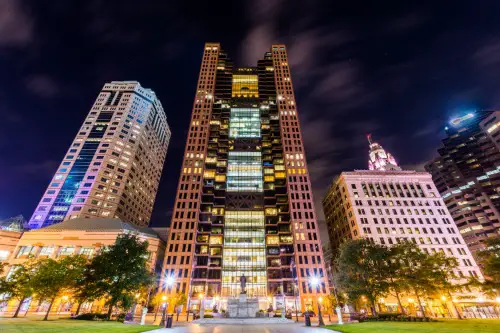
Columbus is a city of grids and sprawling suburbs. Traffic flow and accessibility take priority over pedestrian comfort. Strip malls and parking lots dominate neighborhoods. Efficiency is baked into the city’s design.
Downtown is practical, with office towers and civic buildings reflecting functionality. Parks exist, but they serve purpose more than leisure. Streets are straightforward but rarely charming. Columbus embodies midwestern practicality over cozy aesthetics.
11. Salt Lake City, Utah
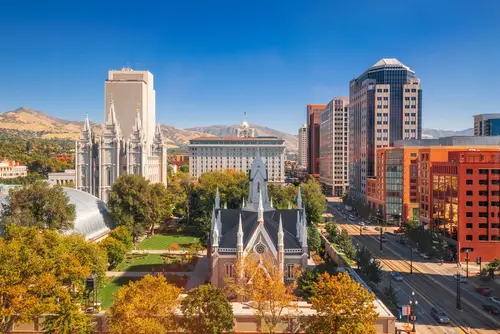
Salt Lake City was planned with order in mind. The Mormon grid system makes navigation simple and predictable. Blocks are large, prioritizing efficiency over intimacy. Walking is secondary to driving.
Downtown emphasizes function, from government offices to commercial buildings. Suburban neighborhoods feel repetitive and practical. Public spaces are utilitarian rather than inviting. Salt Lake City proves that systematic planning can overshadow comfort.
12. Kansas City, Missouri
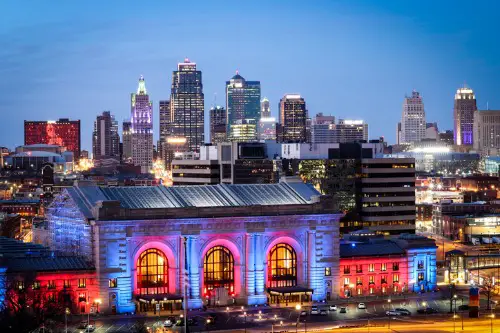
Kansas City spreads across wide boulevards and highways, favoring cars over pedestrians. Suburban sprawl and strip malls dominate the cityscape. Residential areas prioritize space over charm. Navigation is straightforward, but comfort is scarce.
Downtown is functional, with office buildings and civic centers reflecting practicality. Parks exist but focus on capacity and events, not intimate retreats. Pedestrian traffic is secondary. Kansas City’s urban planning leans heavily on efficiency.
13. Oklahoma City, Oklahoma
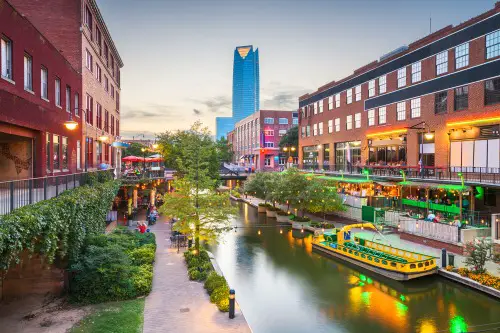
Oklahoma City is defined by straight highways and wide streets. Sprawl dominates, connecting industrial zones, suburbs, and commercial hubs. Buildings emphasize function over warmth. Comfort is often an afterthought.
Public spaces are sparse and practical, with minimal intimate green spaces. The city’s grid makes navigation simple but rarely charming. Sidewalks are limited in many districts. Oklahoma City is engineered for efficiency, not coziness.
14. Detroit, Michigan

Detroit feels like a city built for cars before people. Born from the automobile industry, its factories, streets, and neighborhoods all reflect efficiency first. Highways cut straight through the city, prioritizing movement over charm. Even the residential blocks echo a practical, industrial heartbeat.
Walking here isn’t always cozy—sidewalks are inconsistent, and many buildings are built to last rather than to impress. Parking lots and warehouses dominate much of the landscape. City planning favors speed and scale over intimate spaces. Detroit’s industrial roots are fascinating, but comfort often takes a backseat.
This post American Places Built for Efficiency Instead of Comfort was first published on American Charm.