
1. Thomas Jefferson Rewrote the Bible to Fit His Beliefs
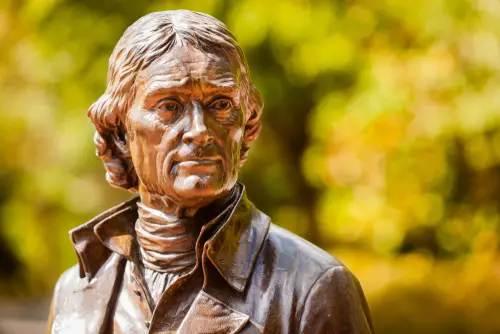
Thomas Jefferson, celebrated as the author of the Declaration of Independence, had his own very personal relationship with religion. He literally cut and pasted sections of the New Testament to create what’s now called the “Jefferson Bible.” In this version, he removed all miracles and references to Jesus’ divinity, leaving only moral teachings. It was his way of reconciling faith with Enlightenment reason.
Yet, this side of Jefferson rarely makes the textbooks, which tend to emphasize his lofty democratic ideals instead. The project shows how radical he was in questioning orthodoxy, especially in a time when religion was deeply tied to politics. His edit reflects a very selective view of truth, not unlike how history often trims inconvenient details. The “Jefferson Bible” gives us a rare glimpse into the contradictions of a Founding Father.
2. George Washington Freed Some, But Not All, of His Enslaved Workers
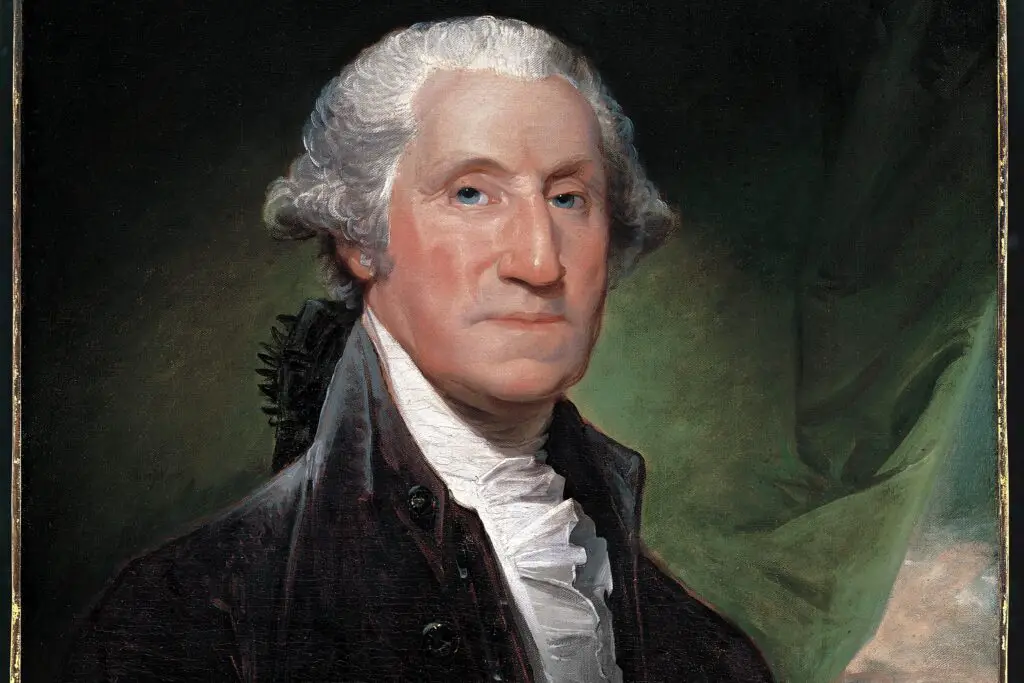
We often hear George Washington called the “Father of His Country,” but less often do we hear about his complex relationship with slavery. Washington enslaved more than 300 people at Mount Vernon, and while he privately expressed doubts about the institution, he didn’t make a public stand. In his will, he arranged to free the people he personally owned—but only after his wife Martha’s death. That meant many people remained in bondage until 1801, two years after he passed.
What’s striking is how quietly this detail gets tucked away compared to his heroic image. The fact that he chose not to push abolition while in power shows how reluctant even revered leaders were to challenge the system. It also highlights how much their legacies are edited to fit national ideals. Washington’s story is a reminder of how messy real history can be.
3. Andrew Jackson Ignored the Supreme Court
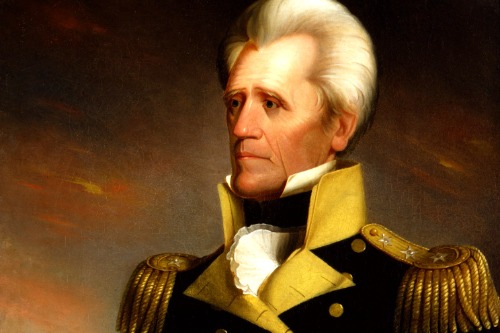
Andrew Jackson is often remembered as the tough, populist president who championed the “common man.” But in the 1830s, when the Supreme Court ruled that the Cherokee Nation had a right to their lands, Jackson effectively ignored the decision. His administration went ahead with the Indian Removal Act, leading to the Trail of Tears. Thousands of Native Americans were forced from their homelands under brutal conditions.
Textbooks sometimes glaze over just how willful Jackson’s defiance was. A president disregarding the highest court set a dangerous precedent for executive power. It also exposes the gap between his image as a people’s champion and his treatment of Native communities. Remembering this contradiction paints a more complicated picture of his leadership.
4. Abraham Lincoln Suspended Habeas Corpus
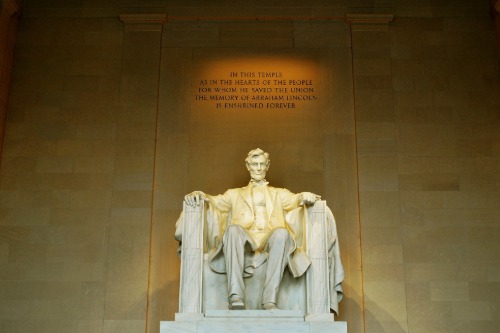
Abraham Lincoln is lionized as the Great Emancipator, but during the Civil War he also took drastic steps that many today might find troubling. To keep order and stop dissent, he suspended habeas corpus, which allowed the government to detain people without trial. Thousands of suspected Confederate sympathizers and critics of the Union were arrested. For many, civil liberties became a casualty of war.
History books often rush past this in favor of his nobler moments. Yet it shows that even beloved presidents weighed freedom against security in extreme ways. Lincoln’s decision underscores how leaders sometimes bend principles under pressure. It reminds us that progress often comes with uncomfortable compromises.
5. Ulysses S. Grant Cracked Down on the KKK
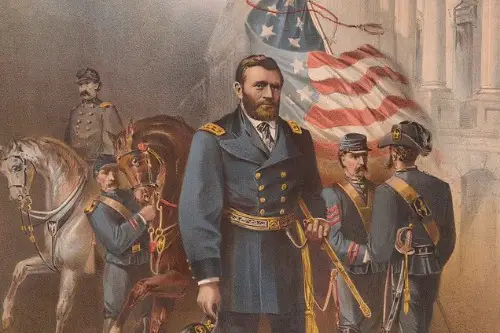
After the Civil War, Ulysses S. Grant inherited a country fractured by violence. While his presidency is often criticized for scandals, one overlooked aspect is his aggressive stance against the Ku Klux Klan. He signed the Enforcement Acts, which allowed federal troops to arrest and prosecute Klan members. This temporarily weakened the group’s grip on the South.
The textbooks don’t highlight this nearly enough compared to his military career. Grant’s actions were one of the strongest federal responses to domestic terrorism in American history. It shows he wasn’t just a battlefield general but also someone willing to defend civil rights. That side of his presidency deserves more recognition.
6. Theodore Roosevelt Invited Booker T. Washington to Dinner
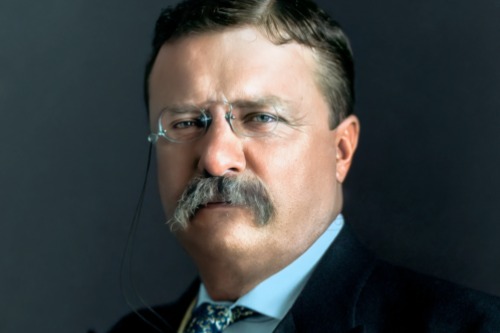
In 1901, Theodore Roosevelt shook the social order by inviting Black leader Booker T. Washington to dine at the White House. It was the first time an African American had been given such an honor by a president. The backlash in the press and among southern politicians was immediate and intense. Many called it a scandal rather than progress.
This detail tends to get softened in history books, which prefer his Rough Rider heroics and conservation work. But it reveals Roosevelt’s willingness to challenge certain racial norms, even if inconsistently. While he didn’t push for sweeping reforms, this act still symbolized a bold break from tradition. It’s a reminder that small gestures can ignite big cultural tensions.
7. Woodrow Wilson Segregated the Federal Workforce
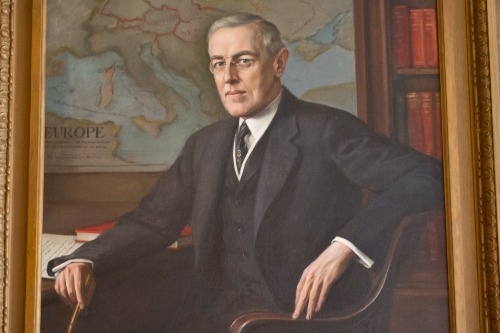
Woodrow Wilson is often praised for his leadership during World War I and his vision of the League of Nations. But when he took office, he resegregated federal offices that had been integrated since Reconstruction. Black employees were demoted, fired, or forced into separate facilities. It was a regressive step that set back decades of progress.
This darker side of Wilson’s presidency is often given little space in school lessons. His actions reinforced systemic racism at the very heart of government. It also shows how “progressive” reforms of the era excluded huge segments of the population. Remembering this complicates the story of a man often painted as an idealist.
8. Franklin D. Roosevelt Approved Japanese American Internment
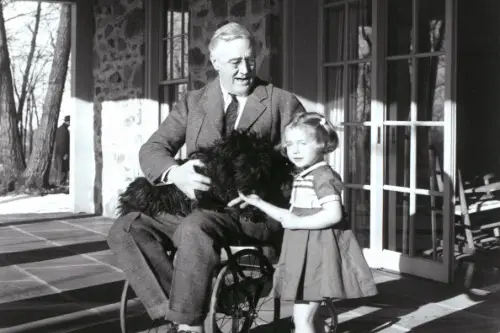
Franklin D. Roosevelt is remembered as the president who lifted America out of the Depression and led the fight in World War II. But in 1942, he signed Executive Order 9066, which authorized the forced relocation of Japanese Americans. More than 120,000 people, two-thirds of them U.S. citizens, were imprisoned in camps. Families lost homes, businesses, and years of their lives.
Textbooks sometimes relegate this to a footnote compared to his New Deal triumphs. The decision was driven more by fear and prejudice than evidence of disloyalty. It’s a clear example of how even admired leaders can perpetuate injustice. This history reminds us to question government actions during crises.
9. Dwight Eisenhower Warned Against the Military-Industrial Complex
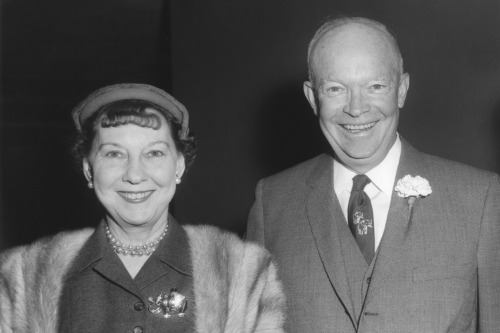
Dwight Eisenhower is mostly remembered as the general who defeated Nazi Germany and the president who brought stability in the 1950s. But in his farewell address, he delivered a striking warning about the “military-industrial complex.” He cautioned that the growing ties between defense industries and government could threaten democracy. His concern was that war-making might become a permanent business.
This moment rarely gets the same spotlight as his highways or Cold War policies. Yet Eisenhower’s words resonate strongly today, given the vast defense budgets and global conflicts. It shows he had the foresight to see dangers others overlooked. His warning remains one of the most prescient presidential legacies.
10. John F. Kennedy Hesitated on Civil Rights
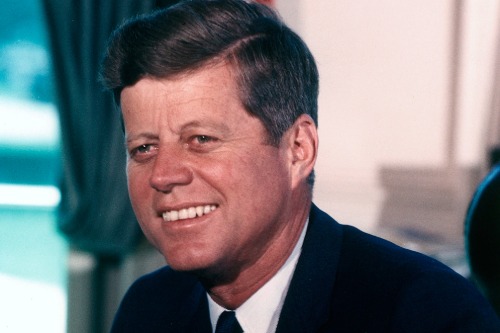
John F. Kennedy is often remembered as a champion of civil rights, but his record tells a slower story. Early in his presidency, he avoided pushing aggressive civil rights legislation, fearing backlash from southern Democrats. It wasn’t until 1963, after major protests and violence, that he gave his landmark speech supporting the Civil Rights Act. Even then, it was cut short by his assassination before passage.
School narratives often skip over how cautious he was before taking that stand. Kennedy’s hesitation reflects the political tightrope leaders walk between ideals and practicality. His eventual support mattered, but it came later than many activists had hoped. This context paints him as more pragmatic than heroic.
11. Lyndon B. Johnson Waged War on Poverty—And Vietnam
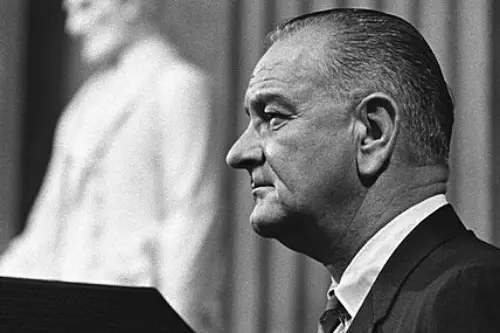
Lyndon B. Johnson’s presidency is often boiled down to the Vietnam War. Yet alongside that, he launched the “Great Society” programs that tackled poverty, healthcare, and education. Medicare and Medicaid were his initiatives, as was expanding civil rights protections. These efforts dramatically reshaped social policy in America.
But because Vietnam overshadowed everything, his domestic achievements often go unnoticed. The contradiction is staggering: a president who uplifted millions at home while sending thousands abroad to war. Johnson’s legacy shows how history can reduce a leader to their failures rather than their full record. It’s a reminder of how multi-dimensional leaders really are.
12. Richard Nixon Created the EPA
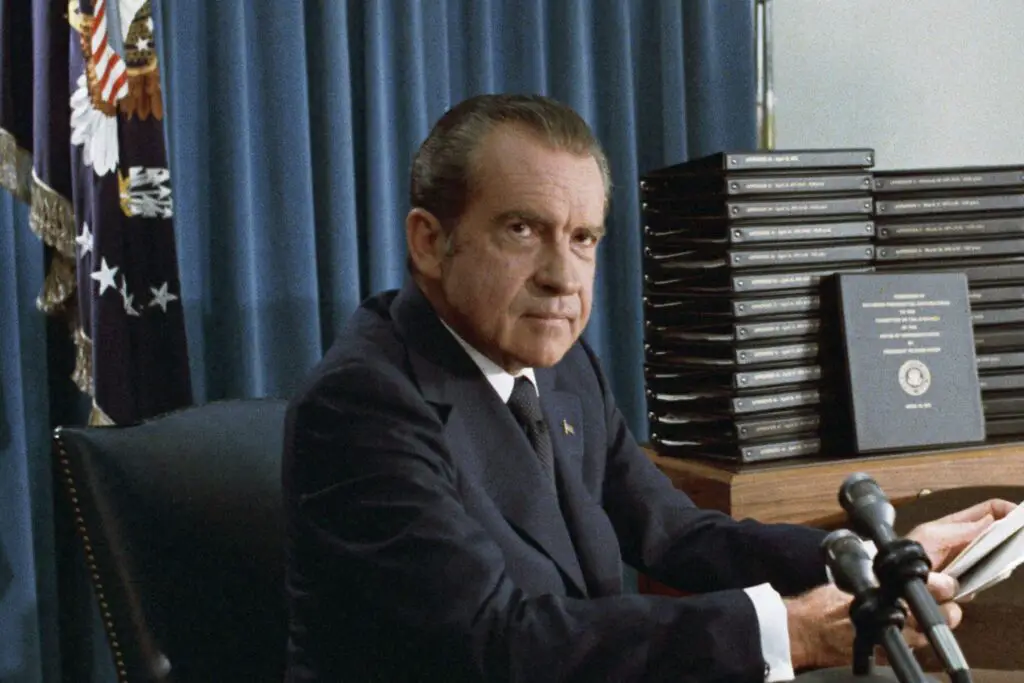
Richard Nixon is synonymous with Watergate and resignation, but his environmental record is surprisingly progressive. In 1970, he established the Environmental Protection Agency, responding to rising public concern about pollution. He also signed major legislation like the Clean Air Act and the Endangered Species Act. These policies laid the foundation for modern environmental protection.
This part of Nixon’s presidency rarely gets the same weight as his scandals. Yet it shows that even flawed leaders can enact lasting positive change. The irony is striking: the man remembered for corruption also gave us clean air standards. It complicates the caricature of Nixon as purely villainous.
13. Ronald Reagan Refused to Acknowledge AIDS Early On
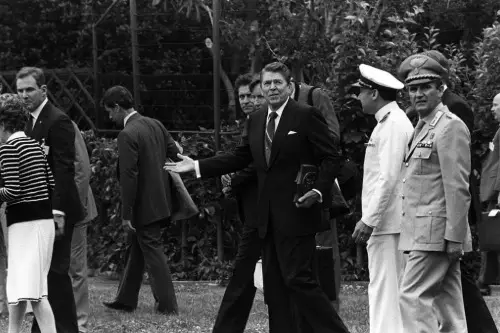
Ronald Reagan is remembered by many conservatives as a hero who revitalized the American spirit. But during the early years of the AIDS crisis, his administration was largely silent. Despite mounting deaths in the early 1980s, Reagan didn’t publicly address the epidemic until 1985. By then, tens of thousands had died.
This silence often gets skimmed over in accounts of his presidency. The lack of response allowed stigma and fear to spread unchecked. It highlights how political priorities can shape public health outcomes in devastating ways. Reagan’s inaction is an important part of understanding the full impact of his leadership.
14. George W. Bush Expanded Global Health Aid
George W. Bush is defined for many by the Iraq War and controversial policies after 9/11. But less discussed is his President’s Emergency Plan for AIDS Relief, known as PEPFAR. Launched in 2003, it provided billions in funding for HIV/AIDS treatment, particularly in Africa. Experts credit it with saving millions of lives worldwide.
This achievement rarely gets the same airtime as his military decisions. Yet it’s one of the most impactful humanitarian initiatives by any modern president. It shows how even polarizing leaders can leave behind legacies that transcend politics. Bush’s global health efforts deserve more recognition than they usually receive.
This post 14 American Leaders Who Did Things History Books Quietly Gloss Over was first published on American Charm.

