1. Small-Scale Farming and Local Food Co-ops

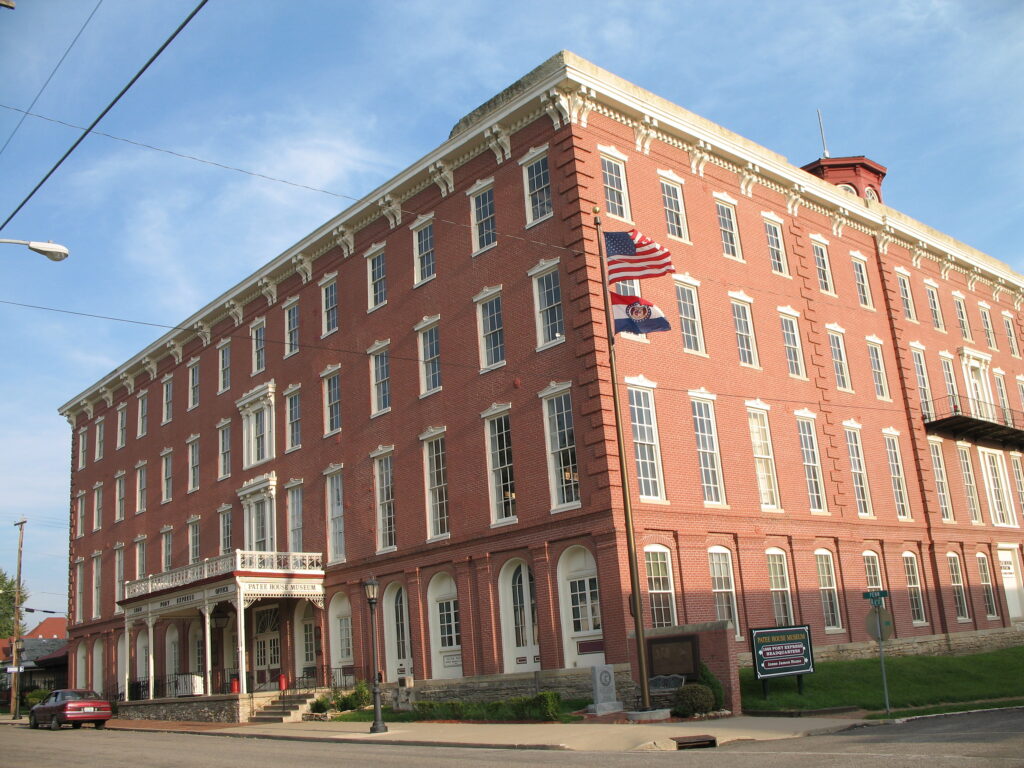
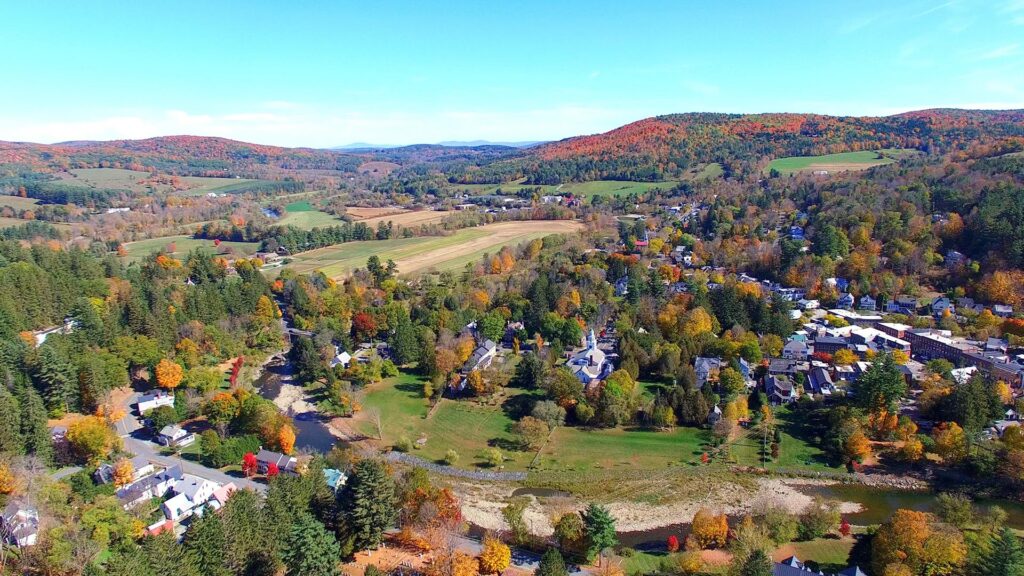
Drought-resistant crops and regenerative farming methods are becoming more accessible. This lowers risk for small farmers who once struggled with instability. Communities are investing in year-round farmers markets and local co-ops. That support makes regional food production more viable.
Consumers are increasingly wary of long supply chains for fresh produce. Restaurants are highlighting hyper-local ingredients in their menus. Grants and low-interest loans are encouraging young farmers to enter the field. These conditions point toward a healthy resurgence in 2026.
2. Passenger Rail
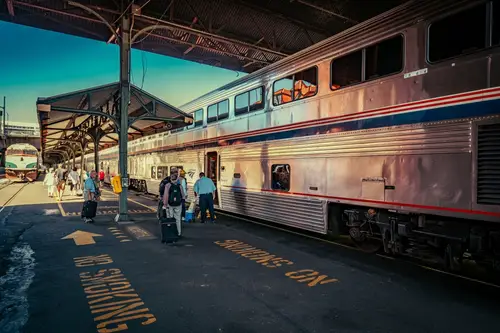
Amtrak’s recent funding boosts and corridor upgrades are setting the stage for a resurgence. Several states have greenlit regional rail expansions to ease highway congestion. With younger Americans prioritizing low-stress travel, rail could hit a sweet spot. 2026 might be the first year travelers choose trains for convenience rather than nostalgia.
Environmental policies are also giving passenger rail a quiet tailwind. Carbon-conscious companies are beginning to encourage train travel for short-haul business trips. As airlines pull back from unprofitable regional routes, rail is stepping in to fill those gaps. These shifts make rail unexpectedly competitive again.
3. Domestic Textile Manufacturing
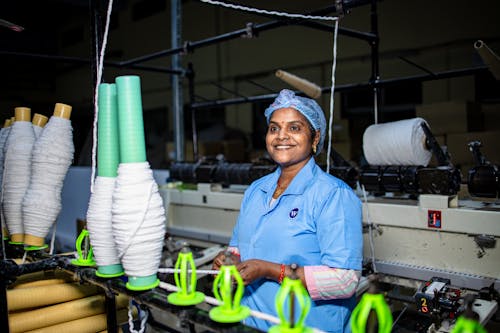
As supply chains stay unpredictable, U.S. brands are reshoring production to avoid long delays. New automated weaving and cutting technologies have shrunk labor costs. Designers also want tight control over quality and sustainability claims. That combination is pushing textile mills in the South and Midwest to rehire and expand.
Consumers are growing more interested in traceable “Made in USA” clothing. Retailers are responding by contracting with domestic mills for specialty runs. The rise of small-batch manufacturing platforms is lowering entry barriers for boutique brands. By 2026, domestic textiles could be far more visible than they’ve been in decades.
4. Bookstores
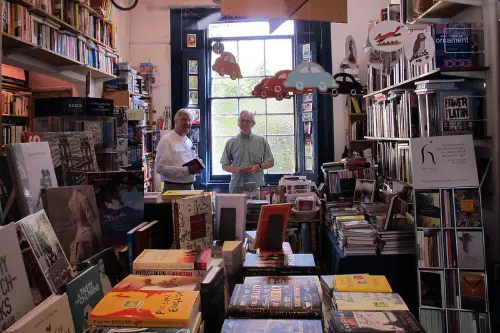
Independent bookstores are benefiting from a renewed desire for offline experiences. Many have transformed into community hubs with cafés, classes, and event spaces. As screen fatigue spreads, reading in print feels comforting again. This cultural shift is helping stores carve out stable revenue.
Publishers are also leaning more on indie stores for early buzz and local launches. These partnerships give bookstores unique leverage in a crowded entertainment market. With loyalty programs and curated selections, they’re beating algorithms in their own way. The result is a retail category quietly climbing out of its slump.
5. RV and Camper Manufacturing
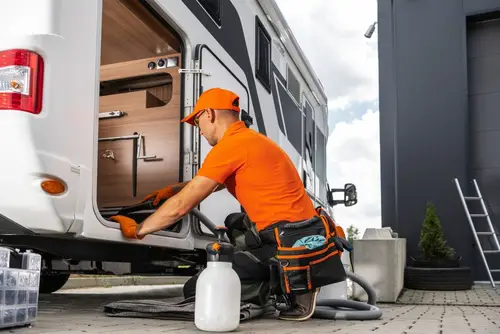
Post-pandemic wanderlust never fully faded, but affordability concerns slowed growth. Now manufacturers are introducing lightweight, fuel-efficient models that appeal to younger buyers. Outdoor recreation spending has stayed strong, suggesting pent-up demand. By 2026, revamped product lines could drive a fresh surge in sales.
Federal investments in campground upgrades and electric RV infrastructure are also helping. More national parks are expanding or renovating their facilities. Hybrid EV tow vehicles are making road-tripping cheaper and greener. These changes will make RV travel viable for people who previously dismissed it.
6. Regional Amusement Parks

While mega-parks dominate headlines, smaller parks are experiencing steady attendance recovery. Families want budget-friendly options that don’t require long flights. Operators have been updating rides and adding seasonal festivals to keep traffic up. This slow but consistent growth sets the stage for a surprising rebound.
Local tourism boards are partnering with parks to promote weekend getaways. Some states are offering grants for infrastructure upgrades to boost tourism. Park owners are also investing in nostalgia-driven reboots of classic attractions. These moves can create repeat visitors and stronger revenue streams.
7. American-Made Furniture
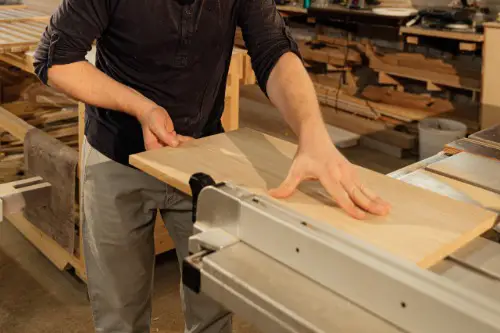
Volatile shipping costs have made imported furniture less predictable. Domestic woodworking shops and mid-size factories are stepping in to meet demand. Lead times are shrinking as production moves closer to consumers. This reliability is giving American-made furniture a competitive edge.
Growing interest in sustainable hardwoods is also pushing the industry upward. U.S. producers can certify their sourcing more transparently than many overseas suppliers. High-end buyers increasingly prefer pieces that are durable instead of disposable. These trends could combine into a full-blown comeback in 2026.
8. Fishing and Boat-Building

Recreational fishing license sales have remained unusually high since the pandemic surge. Coastal and Great Lakes shipyards are expanding to meet interest in small craft. New eco-friendly materials are cutting maintenance costs for boat owners. Together, these factors point toward a revival of local boat-building.
States are investing in marina improvements and shoreline access projects. These upgrades support more hobbyists entering the sport. A thriving aftermarket for parts and repairs is developing alongside new builds. The ecosystem as a whole is strengthening in ways that haven’t been seen in years.
9. Independent Movie Theaters

Blockbusters alone no longer sustain major chains, but indie theaters are adapting better. Many have diversified with live events, member screenings, and curated film slates. As viewers tire of endless streaming options, these theaters feel novel again. The experience itself becomes the attraction, not just the movie.
Studios are beginning to give limited releases more marketing support. Some distributors are testing longer exclusive theatrical windows for niche films. These moves benefit smaller venues that specialize in specialty content. If the trend continues, 2026 could be a banner year for art-house screens.
10. U.S. Bicycle Manufacturing
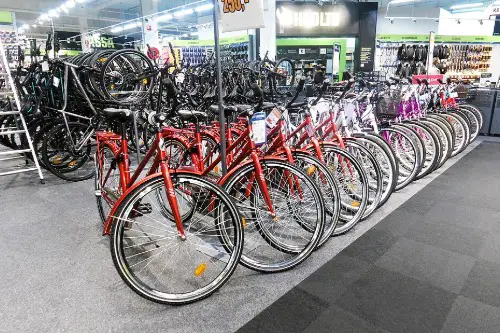
Interest in cycling infrastructure has grown as cities expand protected lanes. That investment boosts demand for quality bikes, especially commuter models. Several U.S. brands are scaling up domestic assembly to shorten supply chains. This shift helps them react to consumer trends more quickly.
E-bike adoption is also accelerating. Tariff uncertainties on imported e-bike components are pushing companies to localize production. New lightweight battery technologies are making American-made models more competitive. These innovations could propel the industry back into the spotlight.
11. Film Photography Labs

Younger creatives are embracing film for its texture and unpredictability. Demand for development services has outstripped capacity in many cities. Labs are responding by upgrading equipment and reopening shuttered facilities. By 2026, the infrastructure may finally catch up.
Camera manufacturers have also reissued or updated classic models. This has kept new hobbyists entering the film world continuously. Social media trends around analog aesthetics aren’t slowing down. With steady demand, lab services could become a thriving niche again.
12. Print Newspapers

Despite years of decline, some regional newspapers are seeing renewed interest as subscription fatigue hits digital-only outlets. People are rediscovering the appeal of curated reporting without algorithmic clutter. Several chains have already begun experimenting with hybrid print-digital memberships. That momentum could trigger a broader revival in 2026 as readers seek slower, more reliable news.
The comeback is also fueled by a rise in community-focused journalism grants and nonprofit ownership models. These initiatives ensure local reporting that big tech platforms haven’t replaced. As trust in online information continues to wobble, traditional formats suddenly seem refreshing again. If these economic models stabilize, print may inch back into relevance.
This post 12 American Industries Set to Make Unexpected Comebacks in 2026 was first published on American Charm.