
1. Leaving Voicemail Messages
Boomers often still leave detailed voicemail messages because they grew up when calling was the primary form of communication. They see a voicemail as polite and complete, almost like finishing a conversation they started by dialing. Gen Z, though, tends to view voicemails as time-consuming and redundant since texts can communicate the same info faster. This habit can feel confusing because younger people rarely check voicemails unless it’s urgent.
The reason this one stands out is that voicemail usage has steadily declined as texting and messaging apps took over. Many Gen Zers only see a voicemail indicator when a missed call comes from a doctor’s office or a parent. Boomers swear by voicemails because they feel more personal and intentional. The contrast highlights how communication norms shift quickly between generations.
2. Using Paper Checks
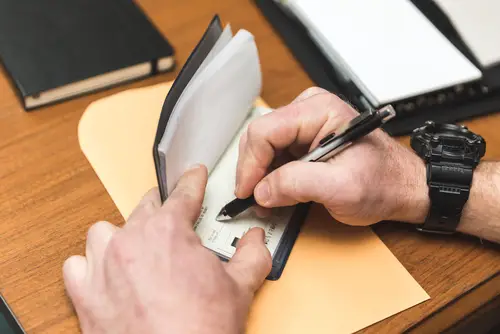
Writing paper checks is still normal for many Boomers, especially for bills, rent, or gifts. This habit dates back to when checks were one of the safest and most common ways to pay. Gen Z often finds it confusing because mobile banking apps, direct deposit, and digital wallets handle payments instantly. The idea of waiting days for a check to clear feels slow and unnecessary to them.
Checks remain part of Boomer routines because they were taught to trust tangible financial records. Even today, some landlords, clubs, and service providers accept checks more readily than digital options. Gen Z, raised on tap-to-pay culture, rarely encounters those situations. This creates a generational gap in financial habits that both sides still have to navigate.
3. Ironing Everyday Clothes
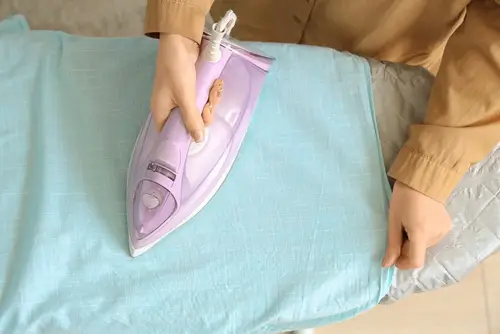
Boomers often grew up believing that looking polished meant ironing shirts, slacks, and even casual clothes. For them, it’s a habit tied to professionalism and respectability. Gen Z tends to skip ironing altogether, preferring wrinkle-resistant fabrics or just wearing clothes straight from the dryer. They often see ironing as an unnecessary step that slows down the morning routine.
This habit persists because Boomers learned that neat clothing could influence first impressions at work or social events. Wrinkles were seen as avoidable and a sign of carelessness. Gen Z’s laid-back fashion standards simply evolved differently with modern fabrics. That disconnect makes ironing seem like an oddly formal relic to younger generations.
4. Using Cash for Everyday Purchases
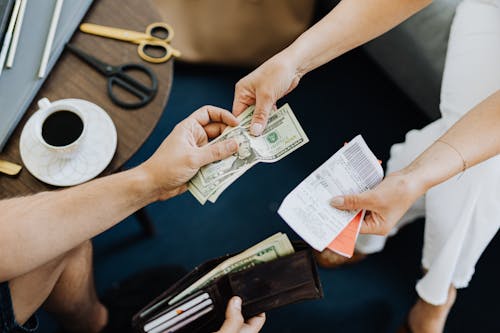
Boomers frequently carry cash because they were raised before debit cards became widespread. Paying with physical money feels secure and straightforward to them. Gen Z rarely uses cash unless required, relying instead on digital payments for almost everything. They find cash slower, less trackable, and inconvenient compared to apps.
This habit endures because Boomers trust cash as a budgeting tool they can physically limit. It’s also useful in situations where small businesses charge fees for cards or don’t accept electronic payments. Gen Z’s shock often comes from how unfamiliar they are with navigating cash-only scenarios. These competing preferences highlight different comfort zones with financial technology.
5. Printing Important Documents
Boomers often print confirmations, tickets, receipts, and bank statements as part of staying organized. This comes from a time when paper records were the most reliable way to prove anything. Gen Z sees this as unnecessary because digital versions update automatically and don’t risk being misplaced physically. They’re used to cloud storage doing the record-keeping for them.
The habit continues because Boomers trust having something in hand, especially for travel or major purchases. Physical copies feel harder to lose to them compared to a mis-tapped app. Gen Z finds it confusing because digital backups are quick and secure when stored properly. The difference shows how each generation approaches information reliability.
6. Watching Cable TV Live
Boomers commonly watch shows as they air, navigating channels with a remote instead of choosing from streaming libraries. This comes from decades of appointment-based TV habits. Gen Z often finds it confusing because they expect on-demand access and dislike waiting for scheduled airtimes. Commercial breaks also feel unnecessary to them.
Cable remains popular among Boomers because the channel guide represents comfort and familiarity. Live news and sports are also easier for them to access through cable than through multiple streaming subscriptions. Gen Z, raised on binge-watching, sees cable as rigid and limited. The two viewing styles highlight major shifts in how entertainment is consumed.
7. Using Formal Email Etiquette

Boomers often write emails with full greetings, sign-offs, and carefully structured paragraphs. They treat email like digital letter-writing, which reflects communication norms from the workplace in their era. Gen Z tends to write short, clipped emails because they see them as quick transactions. They can be confused by the extra formality.
This habit remains because many workplaces historically required polished correspondence. Clear structure signaled professionalism and respect. Gen Z’s shift toward brevity reflects communication influenced by messaging apps. These contrasting styles can make simple emails feel like cultural collisions.
8. Saving Plastic Bags and Reusing Them

Boomers often keep a stash of plastic grocery bags at home, saving them for future reuse. This comes from a mix of thriftiness and environmental awareness that predates modern sustainability trends. Gen Z sometimes finds it puzzling because they rely on reusable totes or simply don’t accumulate as many bags. The giant “bag of bags” can feel like clutter to them.
The habit persists because Boomers learned to avoid waste whenever possible, especially during periods of economic uncertainty. Keeping bags felt practical when single-use plastics were more common and alternatives were rare. Gen Z grew up with more eco-friendly options and different norms around consumption. The differing perspectives reflect how environmental habits evolve.
9. Sitting Down to Pay Bills Once a Month
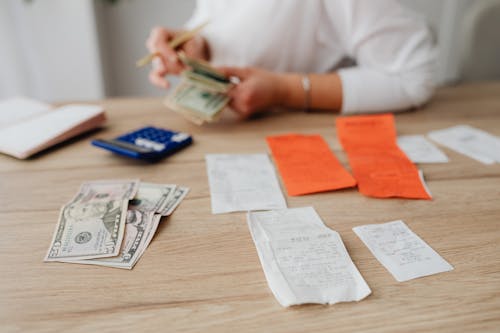
Boomers often set aside a specific day to handle all their bills, writing checks or reviewing paper statements. This reflects older billing systems that depended on mail delivery and monthly cycles. Gen Z usually pays bills automatically or through apps in real time. The idea of a “bill-paying day” feels unnecessary to them.
The tradition sticks because it was a reliable routine for staying on top of finances before automation existed. It provided structure and prevented missed payments. Gen Z’s approach hinges on digital alerts and auto-pay features, making the old method seem overly manual. These differences reveal how technology reshapes basic routines.
10. Browsing in Stores Instead of Online

Boomers often enjoy shopping in person, touching items and comparing quality firsthand. This stems from a time when brick-and-mortar shopping was the only option. Gen Z finds it confusing because online shopping offers reviews, delivery, and easier returns. They tend to shop in stores only for specific items or experiences.
The habit endures because Boomers trust their own judgment more than online listings. Trying things on or testing products feels more reliable to them. Gen Z has grown comfortable trusting digital descriptions and influencer recommendations. The contrast shows how consumer habits adapt to technology.
11. Writing Notes by Hand
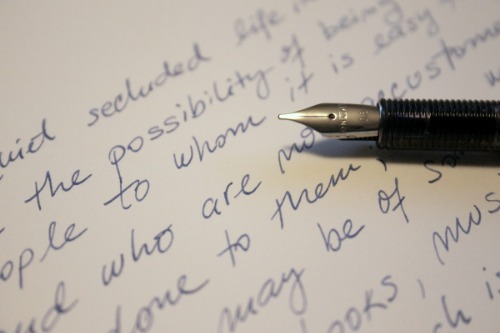
Boomers still rely heavily on handwritten lists, calendars, and reminders. This habit formed before digital note-taking tools became standard. Gen Z often finds it confusing because digital tools sync across devices and reduce the risk of losing information. To them, handwriting can seem slow and less efficient.
Boomers keep this habit because writing by hand can improve memory and focus. Physical reminders like sticky notes and notepads feel more visible and tangible. Gen Z’s reliance on apps reflects a preference for speed and automation. The coexistence of both methods shows how personal organization has changed over time.
12. Using Phone Books or Printed Directories
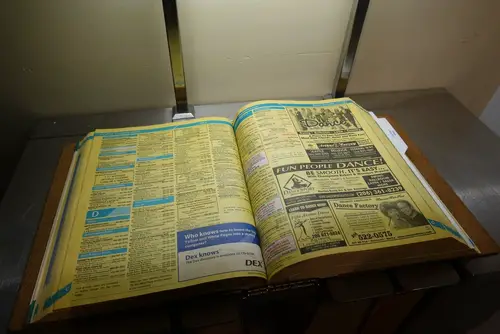
Some Boomers still keep old phone books or printed directories tucked away at home. They were once essential for finding businesses and contact information. Gen Z may never have used one and often can’t understand why someone would keep one around. Digital search is so fast that the printed version feels obsolete.
This habit persists partly out of nostalgia and partly out of practicality during power outages or internet failures. Boomers were taught that these books were the definitive source for local information. Gen Z’s confusion arises from having grown up with smartphones as the default lookup tool. The difference highlights how reference tools evolve with technology.
This post 12 American Habits Boomers Still Swear By That Completely Confuse Gen Z was first published on American Charm.

