
1. Canned Tuna
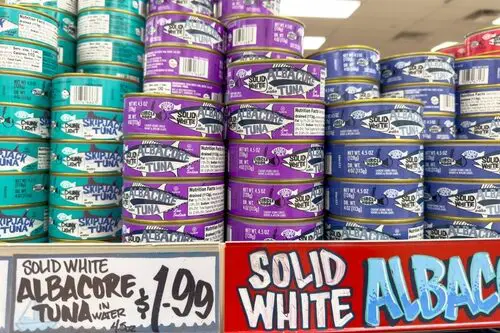
Canned tuna became mainstream in the early 1900s because it stored well, traveled easily, and replaced more expensive canned salmon. It required no cooking and could be turned into sandwiches instantly. Factories loved its long shelf life. Families appreciated its affordability.
It’s on the list because the goal was to provide cheap protein with minimal fuss. Somehow tuna salad became a lunchtime classic. The mild flavor helped it adapt to countless recipes. What started as a practical substitute turned into a staple.
2. Kraft Macaroni & Cheese
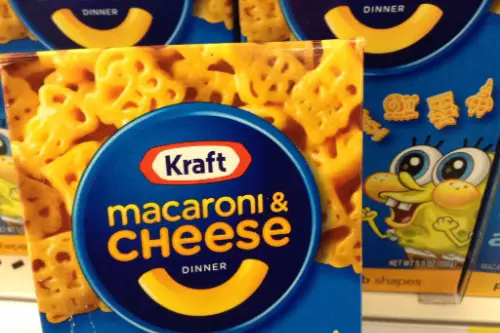
Kraft created its boxed mac and cheese in 1937 as a cheap, shelf-stable meal during the Great Depression. It needed minimal ingredients and stayed good for ages, which made it ideal for families trying to stretch budgets. The powdered cheese was a practical workaround, not a gourmet choice. But people embraced the speed and the creamy comfort.
It deserves a spot here because the entire product exists to avoid having to make a cheese sauce from scratch. Over time, it became a rite-of-passage food for kids and college students. The bright orange color even became part of its identity. Convenience accidentally turned into a national craving.
3. Pop-Tarts
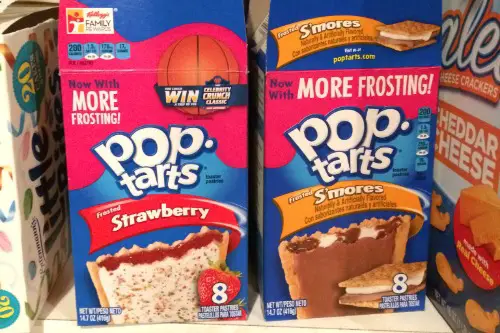
Pop-Tarts were introduced in the 1960s to give parents a breakfast they could literally hand to kids on the way out the door. The idea was to skip pans, plates, and cleanup. They could be eaten cold, which made them even more appealing for rushed mornings. And the toaster option felt like a bonus treat.
This one earns its place because it was engineered for pure grab-and-go efficiency. Still, people fell in love with the flaky crust and sugary fillings. Limited-edition flavors helped cement its fanbase. What started as a shortcut became a cultural breakfast icon.
4. Campbell’s Condensed Soup
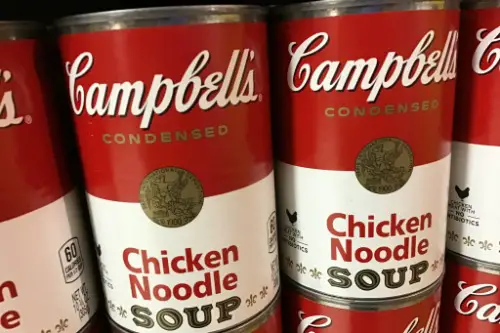
Condensed soup was designed in 1897 to cut shipping costs by removing half the water. That made cans lighter, cheaper to transport, and easier to store. Preparing it required little more than adding water and heating it. Families loved the simplicity.
It belongs here because the product was created around logistics, not culinary ambition. Yet generations turned these soups into comfort staples. They even became the base for casseroles and homey recipes. What was once a cost-saving maneuver became a pantry must-have.
5. Ballpark Hot Dogs
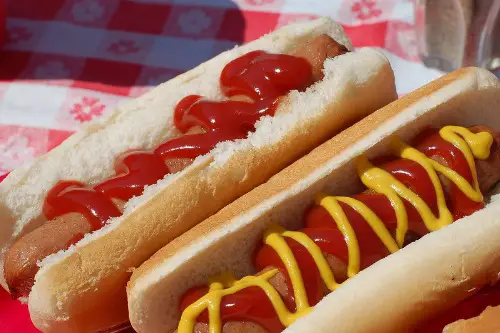
Hot dogs became popular in the early 20th century because they were inexpensive, pre-cooked, and quick to sell in large crowds. Vendors didn’t have to worry about long preparation or complex ingredients. Fans could grab one between plays without missing action. And the portability was unbeatable.
They make the list because their rise was driven by efficiency, not gourmet inspiration. Despite that, they became inseparable from baseball culture. The smell, the snap, and the nostalgia kept them beloved. A convenience food ended up symbolizing American leisure.
6. Jell-O
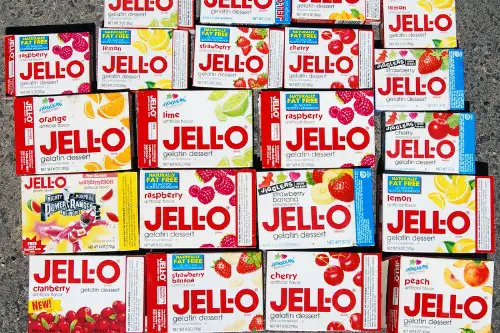
Jell-O’s powdered gelatin mix made dessert preparation dramatically easier when it debuted in the early 1900s. Instead of boiling bones for gelatin, families could simply add hot water. It firmed up quickly and could be molded into fun shapes. Kids loved the colors and wobble.
It earns its place because it existed solely to shortcut a labor-intensive cooking process. Yet it turned into a staple at potlucks, holidays, and hospital trays. Its quirky texture basically rewrote dessert expectations. Convenience took on a life of its own.
7. Instant Ramen
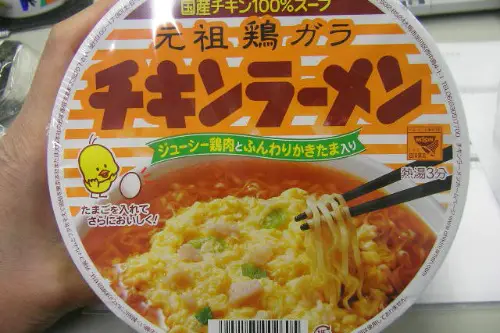
Instant ramen was created in 1958 to provide a cheap, long-lasting, and fast meal for postwar Japan, but it became wildly beloved in America. College students especially embraced it because it cost pennies and cooked in minutes. The broth packet delivered flavor with almost no effort. And the noodles felt filling even when budgets were tight.
It belongs here because it wasn’t originally meant to be a culinary highlight—just a reliable emergency food. Yet its flavor variations and DIY potential made it a cult favorite. Many people now doctor it with eggs, veggies, and sauces. A utilitarian product ended up inspiring creativity.
8. TV Dinners
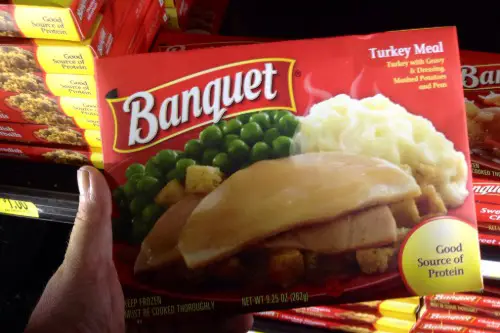
The TV dinner was invented in the 1950s as a way to sell surplus turkey and save busy families time. It let people skip cooking and eat straight from a metal tray while watching television. Most folks bought it because it felt futuristic and easy. Ironically, that convenience turned into comfort nostalgia.
The reason this one belongs on the list is that it wasn’t created for flavor—it was devised to solve distribution and time-saving problems. But its retro charm kept it alive long after microwaves replaced ovens for reheating. People still reference it as a cultural milestone. And frozen meals today owe their entire format to this original shortcut.
9. American Cheese Singles
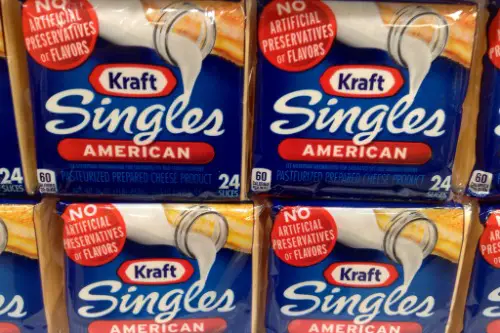
Individually wrapped cheese slices were invented to keep cheese from spoiling and to make sandwich assembly effortless. They melted predictably, which made them ideal for diners and fast-food chains. The uniformity appealed to cooks who didn’t want crumbling or uneven slices. And the packaging gave them an unusually long shelf life.
This earns a spot because the whole product was engineered for stability and convenience, not artisanal quality. Still, people swear by it for grilled cheese and burgers. Its meltability is practically legendary. It proved that practicality can taste surprisingly comforting.
10. Corn Dogs
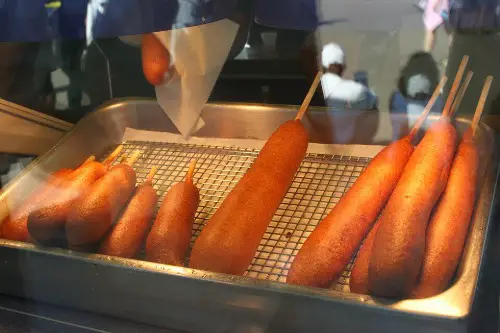
Corn dogs were invented for fairs and carnivals as a fast way to serve hot dogs without buns. Dipping them in batter and frying them made them easy to hold on a stick. Vendors could make huge batches quickly. Customers loved the novelty and portability.
They belong here because the corn dog was clearly born from the need to feed crowds efficiently. But the sweet-savory combo won people over instantly. It’s now a freezer-aisle favorite for quick snacks. A convenience hack became a treat people crave year-round.
11. Frozen Pizza
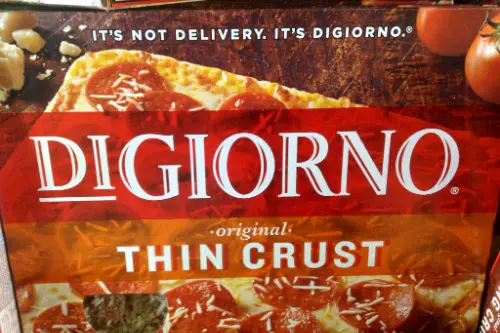
Frozen pizza became popular in the 1950s as companies figured out how to prevent the crust from getting soggy during freezing. The idea was to give families a fast, complete meal that required zero prep. You could toss it in the oven after a long day and call dinner done. Kids loved the predictable flavor.
It makes the list because it solved a very specific problem: people wanted pizza without ordering out or making dough. The convenience overshadowed its initially mediocre quality. Over time, technology improved and turned it into a genuinely enjoyable option. Now it’s practically synonymous with weeknight ease.
12. Canned Spaghetti (SpaghettiOs)
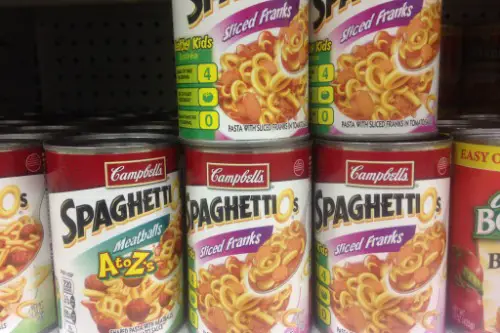
SpaghettiOs were created in 1965 to make pasta kid-friendly and spoon-friendly, avoiding messy long noodles. The ring shape was chosen because it held up well in cans. Parents liked that it reheated quickly without extra pots. Kids loved the sweet tomato sauce.
It belongs here because the entire product was designed to simplify feeding children. Still, many adults remember it with fond nostalgia. Its simplicity became its charm. A convenience food unexpectedly became part of childhood memories.
This post 12 American Foods Created Strictly for Convenience That Somehow Became Beloved was first published on American Charm.

