
1. Sales Tax Showing Up at the Register

Price tags in American stores usually don’t include sales tax. The final price appears only when you check out, and the amount varies by state and sometimes city. This feels needlessly confusing if you’re used to VAT being included upfront. Living abroad highlights how unusual it is not to know the real price until the end.
Once you’ve paid inclusive prices elsewhere, you understand why Americans are so mentally flexible at the register. They’re used to approximating totals in their heads and shrugging at small surprises. The system exists because sales tax is local and fragmented, not national. That complexity explains the custom, even if it doesn’t make it pleasant.
2. Tipping as a Moral Obligation, Not a Bonus
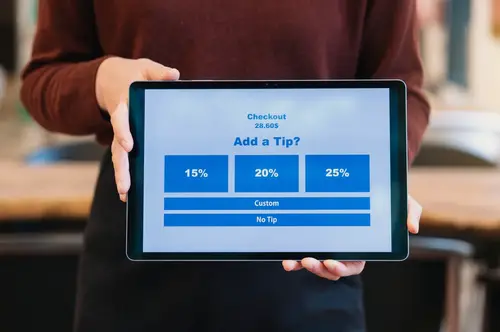
In the U.S., tipping isn’t just a thank-you, it’s part of how many workers get paid. Servers in many states have a lower minimum wage because tips are expected to make up the difference. That feels strange if you’ve lived somewhere wages are fully built into menu prices. Once you’ve lived abroad, you realize Americans aren’t being generous so much as completing the transaction.
After living elsewhere, the anxiety around calculating 18–25 percent makes more sense. You see why Americans debate tip percentages so intensely and feel judged if they get it wrong. The custom exists because the system depends on it, not because diners love math after dessert. Coming back home, it clicks why skipping a tip feels socially radioactive.
3. Ice in Every Single Drink

American drinks are famously packed with ice, even in winter. Restaurants refill ice water constantly, and asking for “no ice” is considered a special request. After living in countries where ice is optional or rare, this habit stands out. It’s tied to cheap ice, big glasses, and a cultural association between cold and refreshing.
Living abroad helps you see this as a product of abundance, not necessity. In many places, ice costs more or is seen as diluting the drink. Americans don’t think twice because ice machines are everywhere. Once you return, the mountain of ice suddenly makes cultural sense.
4. Extreme Friendliness to Strangers

Americans talk to strangers in lines, elevators, and waiting rooms. They ask how you’re doing and expect a pleasant response, not an honest health update. Abroad, this level of casual friendliness can feel intrusive or fake. After adjusting to quieter social norms, the American version becomes easier to decode.
The custom exists to keep interactions smooth in a diverse, mobile society. Small talk acts as social lubricant when you don’t share language, class, or background. Living outside the U.S. shows you that this isn’t universal politeness. It’s a specific strategy Americans use to signal harmlessness.
5. Drive-Thru Everything

In the U.S., you can drive through for food, coffee, banking, and even pharmacies. This level of car-centered convenience is unusual in many other countries. After living somewhere walkability or public transit dominates, it seems excessive. But it reflects how spread out American cities are.
Once you’ve lived abroad, you see drive-thrus as infrastructure, not laziness. Long commutes and zoning laws make quick stops essential. The custom developed because daily life often requires a car. Coming back, the logic feels clearer, even if the lines are long.
6. Huge Portion Sizes at Restaurants

American restaurant portions are famously large. Leftovers are expected, and taking food home is normal and encouraged. In many countries, portions are smaller and finishing your plate is the norm. Living abroad highlights how distinctive the American approach is.
The reason becomes clearer once you see how pricing works. Larger portions make customers feel they’re getting value for money. Restaurants also compete on abundance, not just flavor. After time outside the U.S., the to-go box culture suddenly makes sense.
7. Over-the-Top Air Conditioning

American buildings are often aggressively air-conditioned. Offices, stores, and theaters can feel cold even during summer heat waves. In many countries, indoor temperatures are closer to outdoor conditions. Living abroad makes you more sensitive to how extreme this is.
The custom exists because energy has historically been relatively cheap. It’s also tied to building design and expectations of comfort. After living elsewhere, you see this as a cultural preference, not a universal standard. Bringing a sweater indoors suddenly feels logical.
8. Customer Service as a Performance
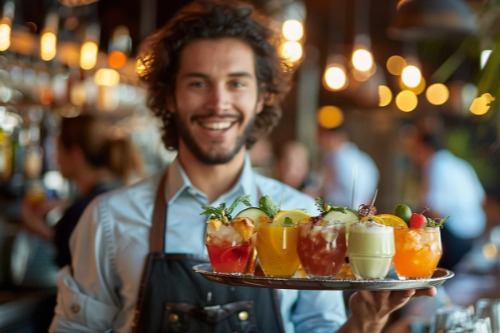
American customer service is enthusiastic and scripted. Employees smile, introduce themselves by name, and check in repeatedly. Abroad, service is often more reserved and transactional. After experiencing that, the American style stands out.
This custom exists because service workers are judged heavily on friendliness. Tips, reviews, and corporate metrics reward cheerfulness. Living outside the U.S. shows that efficiency doesn’t require constant smiling. Coming back, you understand the performance aspect more clearly.
9. Wearing Shoes Inside the House
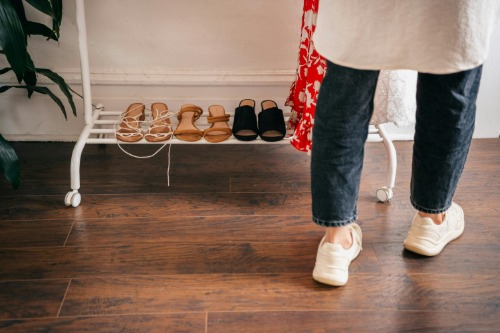
Many Americans wear shoes indoors, even in private homes. This can be shocking if you’ve lived somewhere shoe removal is automatic. After living abroad, it feels unsanitary or rude. But the habit has practical roots.
Historically, Americans moved in and out frequently and didn’t want to fuss over footwear. Flooring choices like hardwood and carpet also shaped the norm. Living elsewhere reveals this as cultural, not universal. Once back, you see why hosts don’t always offer a shoe rack.
10. Healthcare Tied to Employment

In the U.S., health insurance is often linked to your job. Losing employment can mean losing coverage, which feels risky. After living in countries with universal healthcare, this system seems baffling. But there’s a historical reason it developed.
During World War II, wage controls led employers to offer insurance as a benefit. That workaround became permanent. Living abroad makes the fragility obvious. Returning home, you understand why Americans obsess over benefits packages.
11. Constant Displays of Patriotism
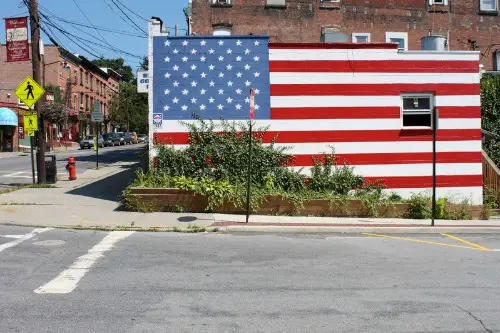
American flags are everywhere, from front yards to classrooms. National holidays are widely celebrated, and patriotic language is common. In many countries, this level of visible nationalism is rare or reserved for special events. Living abroad makes the contrast obvious.
The custom makes more sense once you see how national identity functions in the U.S. Immigration and diversity make shared symbols important. Flags act as a unifying shorthand. After time outside the country, the prevalence feels intentional, not accidental.
12. Free Refills on Drinks
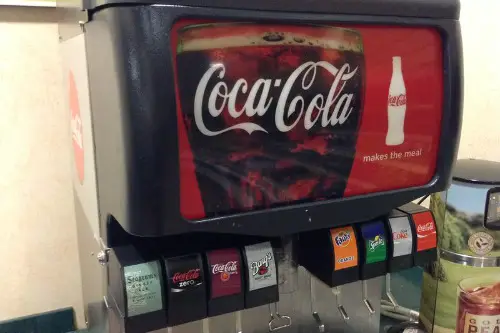
In the U.S., free refills on soda, coffee, and iced tea are common. Ordering a drink often means unlimited top-ups without extra charge. After living abroad, where refills usually cost money or aren’t offered at all, this feels unusual. It reflects both portion expectations and how inexpensive fountain drinks are for restaurants.
The custom exists because profit margins on drinks are high. Offering refills encourages customers to linger and feel satisfied. Living outside the U.S. makes it clear this isn’t standard hospitality everywhere. Coming back, the bottomless glass suddenly feels like a very American perk.
This post 12 American Customs That Only Make Sense After You’ve Lived Outside the Country was first published on American Charm.

