
1. 24-Hour Diners
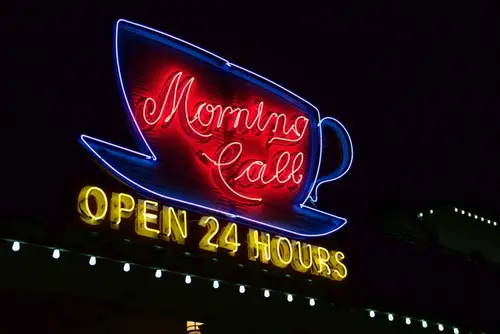
There was a time when nearly every town had at least one fluorescent-lit diner open around the clock, ready to serve pancakes to night-shift workers or restless college kids. Many of these spots faded as labor costs rose and late-night demand dropped. People didn’t realize how essential they were until they found themselves driving home hungry after midnight. The vanishing of these diners left many communities without a reliable late-night gathering place.
The loss wasn’t just about food—it was about the sense of safety and comfort these diners provided. Staff often knew customers by name, which gave the places a neighborhood-living-room feel. When they closed, it exposed how few public spaces were left for people to simply exist without buying much. Today, many cities that once relied on them have far fewer options for spontaneous late-night meals.
2. Movie Rental Stores
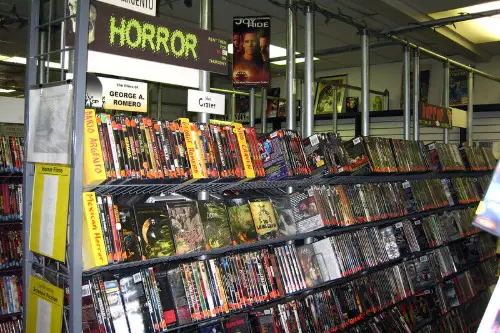
Before streaming, video rental shops were the unofficial hubs of weekend planning. Their decline happened quietly as on-demand content became standard. Many people didn’t grasp how much they enjoyed browsing aisles and discovering odd titles until that experience evaporated. The disappearance also meant losing the personalized recommendations clerks once offered.
These stores also acted as natural equalizers, giving everyone access to the same movies at the same price. When they vanished, so did the communal sense of “What’s new this week?” that shaped small talk. People now rely on algorithms that aren’t always great at surfacing hidden gems. The transition made movie-watching more convenient but less social.
3. Free Air at Gas Stations
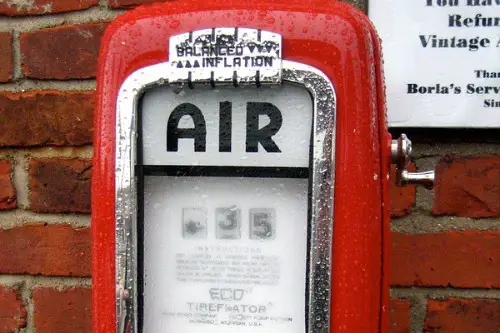
It used to be normal for gas stations to offer free air pumps for drivers. Over time, maintenance costs and new business models turned that free service into a coin-operated annoyance. Many drivers didn’t think twice about the convenience until it was gone. Now, having to hunt for a working air pump can feel unnecessarily stressful.
This shift also created a small but real accessibility issue. People on tight budgets sometimes skip properly inflating tires because even a few quarters can be hard to spare. That leads to worse fuel economy and increased wear, turning a simple convenience into a meaningful loss. The disappearance of free air quietly made car upkeep just a bit harder for everyone.
4. Mall Arcades
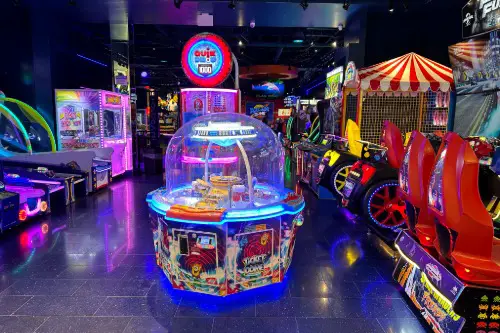
Arcades once acted as the heartbeats of American malls, packed with neon lights and the sounds of button-mashing competition. As malls declined and home gaming systems improved, arcades slowly thinned out. Many people didn’t notice the impact until entire generations grew up without that shared hangout spot. The loss also removed a surprisingly important teen social environment.
Without arcades, many malls lost one of their most energetic attractions. Kids who might have made new friends over air hockey or racing games now interact mostly online. Parents lost a safe spot to let their children roam while they shopped. This change contributed to the broader decline of communal, in-person recreation.
5. Drive-In Theaters
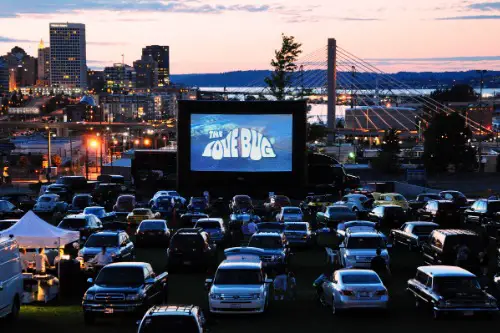
Drive-ins were once fixtures of warm-weather evenings, offering an affordable family outing. Many quietly disappeared due to rising land values and the costs of upgrading to digital projection. People didn’t realize how charming they were until only a handful remained. Their absence removed a unique mix of privacy, nostalgia, and community.
The decline also erased an accessible entertainment option for parents with infants or neurodiverse kids who benefitted from the flexible environment. It reduced opportunities for small towns to host inexpensive community nights. Modern multiplexes simply don’t replicate that atmosphere. As a result, a distinct piece of Americana faded faster than most realized.
6. Travel Agents for Everyday Trips

Travel agents once helped ordinary families book flights, hotels, and road-trip routes. As online booking tools took over, agents became associated only with luxury travel. Many people didn’t realize how much expert guidance they were losing. The shift made planning more DIY but also more overwhelming.
Without agents, travelers now sift through hundreds of reviews and listings on their own. Mistakes that a professional would have caught—like overlapping connections—became more common. Personalized planning largely disappeared from everyday vacation prep. For many, the convenience came at the cost of reassurance.
7. Phonebook-Delivered Coupons

Phonebooks weren’t beloved, but the coupon sections tucked inside were quietly valuable. When printed directories declined, so did these hyper-local deals. People didn’t realize they had lost a no-effort way to save money on car repair, pizza delivery, or dry cleaning. The shift pushed savings into digital platforms that not everyone uses.
This change especially affected older adults and households without consistent internet access. Many small businesses also lost a simple way to reach nearby customers. Digital ads just aren’t the same as a coupon you can tack to the fridge. The disappearance left a hole in local advertising and daily budgeting.
8. Snow Days

Before remote learning, snow days meant an unexpected break filled with sledding or staying in pajamas. As schools adopted online tools, many districts stopped canceling classes altogether. Kids didn’t recognize the tradition slipping away until they found themselves logging into virtual lessons instead of sleeping in. The quiet disappearance reshaped childhood winters.
Parents were also affected, losing a shared cultural moment that once brought families together. Even though remote learning keeps schedules on track, it also removes a little bit of magic from winter storms. Teachers miss the rare surprise pause in routine as well. A small but cherished ritual faded faster than anyone expected.
9. Free Bread at Casual Restaurants
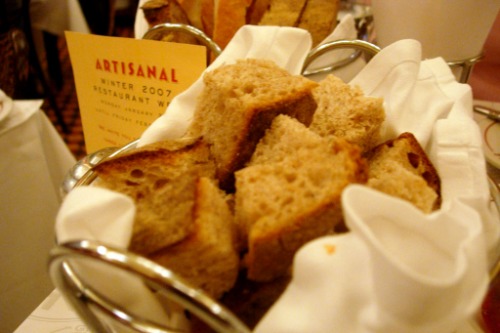
Plenty of casual dining chains once offered free bread baskets without question. Rising food costs and waste concerns led many to scale back or eliminate this perk. Diners didn’t fully notice its disappearance until servers stopped dropping baskets at the table automatically. The loss made meals feel slightly less welcoming.
Free bread once signaled hospitality and helped families stretch their dining dollars. Without it, customers often end up ordering extra appetizers or leaving hungrier. Some restaurants only offer it on request now, making the experience inconsistent. The disappearance reflects how small, comforting gestures have become harder for businesses to maintain.
10. Photo Labs in Drugstores
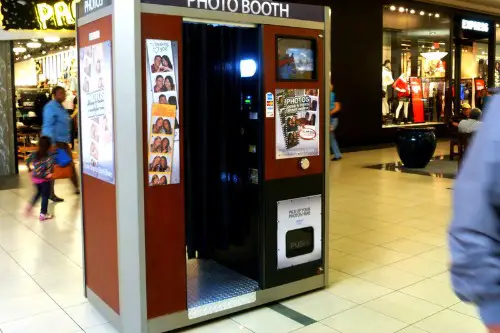
Drugstores once developed film quickly and cheaply, often within an hour. As digital photography took over, these labs slowly vanished or scaled back dramatically. Many people didn’t realize the convenience they were losing until they needed prints for something last minute. The decline removed a simple way to turn memories into physical keepsakes.
These labs also supported casual photographers who didn’t own specialized equipment. Their disappearance increased reliance on online services that often require longer waits. The shift made photo printing less spontaneous and more of a task to plan. It’s a small change, but one that subtly reshaped how people archive their lives.
11. Generous Airline Seating
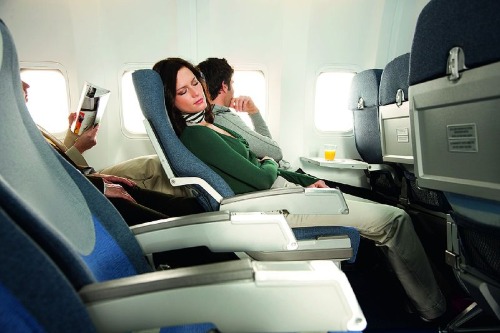
Economy-class airline seats used to have noticeably more legroom and width. Over the years, airlines reduced pitch and added more rows to maximize revenue. Passengers didn’t truly grasp the loss until cramped flights became the norm. The disappearance of comfortable seating happened slowly enough that many forgot how different things once felt.
This shift made air travel more physically taxing, especially for tall passengers and families. It also contributed to tension among travelers as personal space shrank. The gradual reduction created a baseline of discomfort people now take for granted. Convenience and affordability rose, but comfort quietly slipped away.
12. Department Store Gift Wrapping

Many department stores once offered free or low-cost gift wrapping during the holidays. As staffing and operational costs grew, the service became rare. Shoppers didn’t miss it until they found themselves scrambling for paper and tape at home. The change removed a thoughtful touch from the retail experience.
Gift-wrapping stations also contributed to holiday ambiance that’s harder to recreate. Without them, stores feel a bit less festive and personalized. It also shifted a time-consuming chore back onto shoppers. A small perk vanished, taking a little seasonal joy with it.
This post 12 American Comforts Everyone Took for Granted Until They Quietly Disappeared was first published on American Charm.

