
1. Greenville, South Carolina
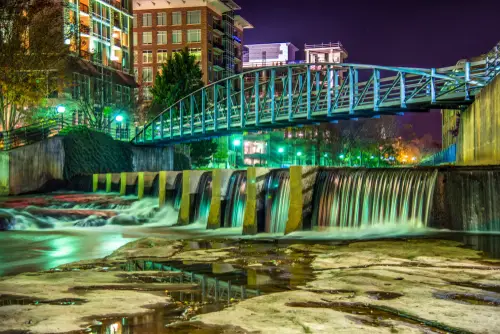
Greenville has been quietly polishing its downtown into something that works just as well for retirees as it does for young professionals. The walkable core along Falls Park on the Reedy has become a daily-use amenity, not a tourist gimmick. Mild winters, manageable summers, and easy access to the Blue Ridge foothills make it attractive to people easing out of colder climates. South Carolina’s relatively low overall tax burden also helps retirees stretch fixed incomes a bit further.
Healthcare access is another reason Greenville keeps showing up on retirement shortlists. Prisma Health operates a large regional medical system anchored right in the city. Housing options range from historic neighborhoods to newer, low-maintenance communities designed for downsizing. It feels like a city that planned for growth without forgetting the people who want things a little calmer.
2. Chattanooga, Tennessee
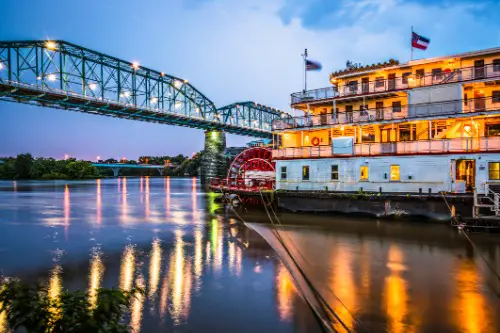
Chattanooga has leaned into quality-of-life improvements in a way retirees quietly notice. The Tennessee Riverwalk, revitalized riverfront, and extensive park system make staying active feel effortless. Tennessee’s lack of a state income tax is a straightforward financial draw for retirees. The city also manages to feel outdoorsy without being isolated.
Healthcare has improved alongside the city’s broader renaissance. Erlanger Health System is a major regional provider with multiple facilities in the area. Chattanooga’s cost of living remains reasonable compared to many similarly scenic cities. It’s a place where retirees can enjoy both nature and reliable services without paying a premium for either.
3. Des Moines, Iowa

Des Moines doesn’t market itself as a retirement hub, but it keeps checking important boxes. The city consistently invests in trails, libraries, and community centers that are heavily used by older residents. Housing costs remain relatively affordable for a state capital with solid amenities. Traffic is manageable, which matters more than people admit once daily driving becomes less appealing.
Healthcare access is strong thanks to large systems like UnityPoint Health and MercyOne. The city’s size allows for cultural offerings like theaters and museums without the stress of a major metro. Des Moines also benefits from stable local government and infrastructure spending. For retirees who value predictability, that quiet steadiness is a feature, not a flaw.
4. Grand Rapids, Michigan
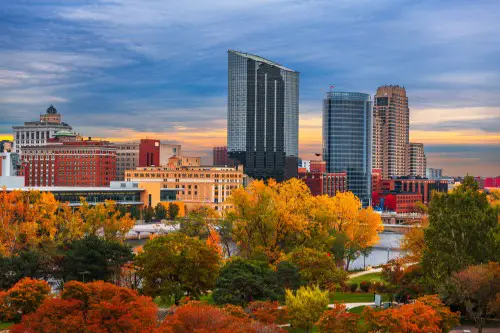
Grand Rapids has been repositioning itself around livability rather than flash. The city has invested heavily in medical infrastructure, anchored by Spectrum Health and other regional providers. Access to Lake Michigan gives retirees seasonal recreation without the cost of coastal living. While winters are cold, many retirees are willing to trade that for affordable housing.
The downtown and surrounding neighborhoods have become more walkable over time. Arts, craft breweries, and community events give retirees reasons to stay socially engaged. Michigan’s property tax relief programs for seniors help offset ownership costs. Grand Rapids feels like a city that matured alongside its population.
5. Richmond, Virginia
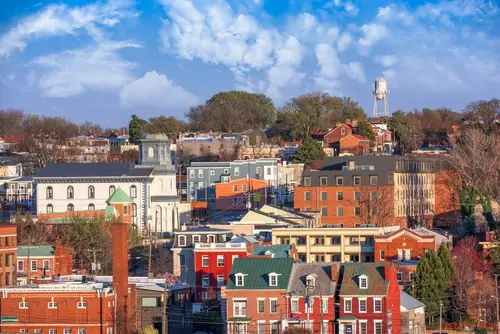
Richmond is quietly benefiting from its balance of history, healthcare, and manageable size. The James River Park System runs through the city and offers easy access to nature without leaving town. Virginia Commonwealth University Health provides a strong academic medical presence. Retirees often appreciate the city’s cultural depth without the congestion of Northern Virginia.
Neighborhoods like the Fan and Church Hill are increasingly popular with downsizers. Richmond’s climate avoids extremes found further south or north. The city has focused on improving public spaces rather than sprawling outward. That makes day-to-day life simpler as mobility needs change.
6. Fayetteville, Arkansas
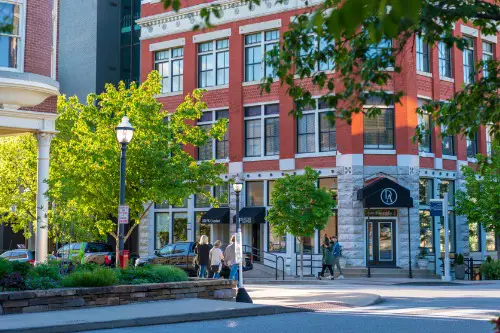
Fayetteville has been shaped by steady investment tied to the University of Arkansas. The city benefits from healthcare systems like Washington Regional Medical Center. Trails and greenways connect neighborhoods in ways retirees actually use. It’s a place where outdoor activity is built into the city’s layout.
Northwest Arkansas has seen economic growth without dramatic spikes in housing costs. Fayetteville feels progressive but still relaxed, which appeals to many retirees. Cultural events tied to the university provide year-round activity. The area’s affordability remains one of its strongest quiet advantages.
7. Lancaster, Pennsylvania
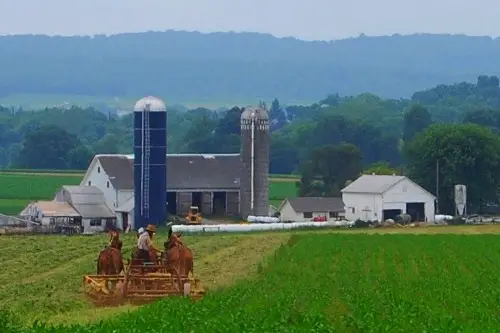
Lancaster has been redefining itself beyond its rural reputation. The city’s compact downtown supports walking, local markets, and small theaters. Penn Medicine Lancaster General Hospital offers high-quality healthcare close to residential neighborhoods. Retirees often find comfort in the area’s strong community networks.
Housing options include historic townhomes and newer condo developments. The surrounding countryside provides scenic drives and easy day trips. Lancaster’s cost of living stays lower than nearby major metros like Philadelphia or Baltimore. It’s a slower pace that doesn’t feel disconnected.
8. Roanoke, Virginia
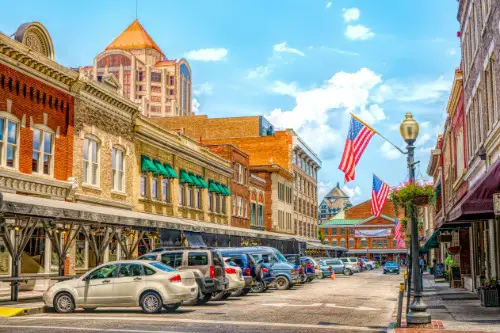
Roanoke has leaned into its location in the Blue Ridge Mountains to attract people focused on wellness. The Carilion Clinic system anchors healthcare in the region and continues to expand. The city has invested in greenways and public spaces that encourage low-impact outdoor activity. Retirees often appreciate how accessible nature feels here.
Downtown Roanoke has quietly added housing geared toward downsizing. Living costs remain reasonable compared to other mountain towns. The community is small enough to feel familiar but large enough for cultural events. Roanoke’s steady improvements suggest long-term planning rather than trend chasing.
9. Sioux Falls, South Dakota
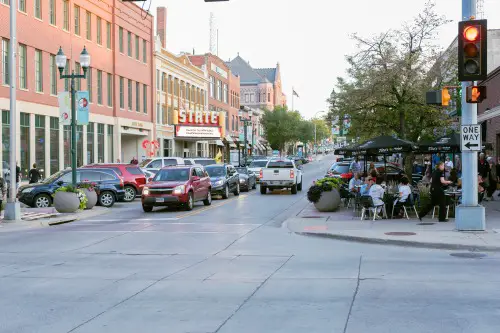
Sioux Falls is a financial sleeper for retirees paying attention to taxes. South Dakota has no state income tax, which immediately appeals to those on fixed incomes. The city has invested in parks and a revitalized downtown along the Big Sioux River. It feels more polished than many expect.
Sanford Health provides extensive medical services in the region. Housing remains affordable relative to national averages. Sioux Falls continues to grow without losing its manageable size. Retirees who value simplicity and financial predictability often find it surprisingly appealing.
10. Albuquerque, New Mexico

Albuquerque offers retirees a blend of affordability, culture, and climate. The high desert setting brings four seasons without extreme cold. Healthcare access includes the University of New Mexico Hospital system. The city has been investing in walkable areas and senior-friendly transit options.
Housing prices remain lower than many Western cities. Albuquerque’s strong arts scene and local cuisine encourage social engagement. Retirees also appreciate the area’s slower pace compared to nearby fast-growing markets. It’s a city quietly adjusting to long-term residents rather than short-term growth.
11. Cleveland, Ohio
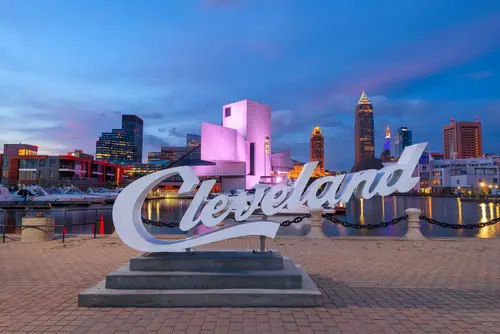
Cleveland has been repositioning itself around healthcare and culture rather than population growth. The Cleveland Clinic is a global medical destination located right in the city. Cultural institutions like the orchestra and museums remain accessible and affordable. Retirees benefit from big-city amenities without big-city costs.
Neighborhood revitalization has focused on livability and housing reuse. Lake Erie access adds outdoor variety during warmer months. Ohio offers property tax reductions for qualifying seniors. Cleveland’s strengths are practical, which resonates with retirees planning carefully.
12. Rochester, Minnesota
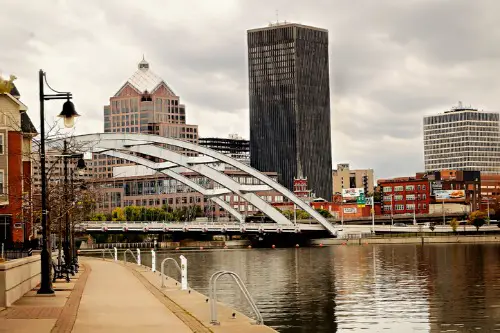
Rochester’s identity is inseparable from the Mayo Clinic, and retirees take notice. Access to world-class healthcare is the city’s defining advantage. The city has invested in downtown living, pedestrian spaces, and transit to support an aging population. It’s designed to be navigable without constant driving.
Housing developments increasingly cater to downsizers and active seniors. While winters are cold, services and infrastructure are built to handle them well. Rochester feels purpose-built for long-term living. Many retirees prioritize healthcare access over climate, and Rochester delivers.
13. Savannah, Georgia
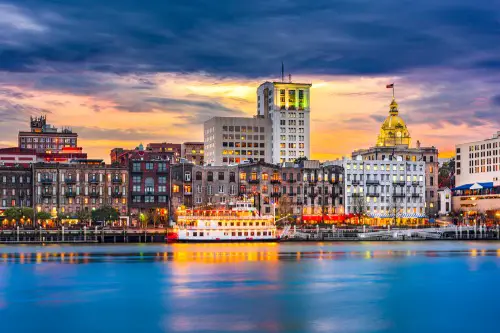
Savannah is refining its appeal beyond tourism. The historic district offers walkability that retirees value for daily routines. Healthcare systems like St. Joseph’s/Candler provide reliable local care. Coastal access adds lifestyle value without requiring beach-town living.
Georgia’s tax structure can be favorable for retirees, particularly on Social Security income. Savannah’s pace encourages social connection rather than constant activity. Housing options range from historic condos to newer maintenance-light communities. It’s a city quietly adapting to residents who plan to stay put.
This post American Cities Quietly Repositioning Themselves for Retirees was first published on American Charm.

