
1. Long John Silver’s
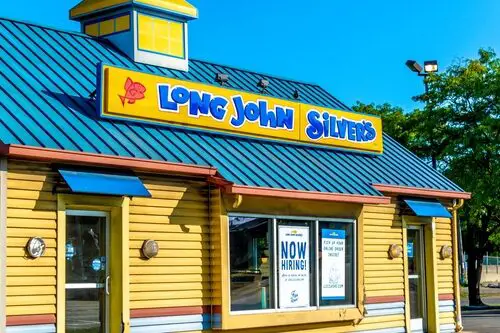
Long John Silver’s was once a major fast-food force but now mainly survives in rural Southern and Midwestern towns. Its fried seafood menu hasn’t kept pace with modern health-conscious trends, but it still appeals to diners craving indulgent comfort food. Many of its remaining locations operate in small markets with few seafood options. That scarcity gives the chain a niche advantage that keeps it afloat.
The restaurants still resemble the nautical-themed spots people remember from childhood. The hushpuppies, crisp batter, and signature sides create a sense of continuity. In places where tradition beats trendiness, that familiarity matters. Long John Silver’s holds on by serving exactly what its loyal fans expect.
2. Ponderosa Steakhouse
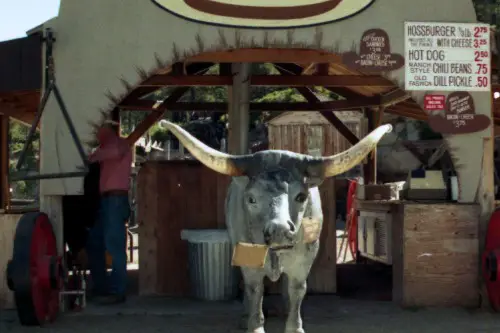
Ponderosa Steakhouse once dotted suburban America, but today it mostly survives in rural pockets of the Midwest and Appalachia. The buffet-and-steak combo resonates in towns where hearty meals still rule. Many locations are franchised by local owners who’ve become fixtures in their communities. That stability helped the chain endure even as competitors faded.
Walking into a Ponderosa can feel like stepping into 1994 in the best possible way. The décor is simple, the service is predictable, and the menu barely changes. In areas untouched by the polished steakhouse boom, that’s a selling point. People come because they know exactly what they’re getting, and that consistency keeps doors open.
3. Big Boy
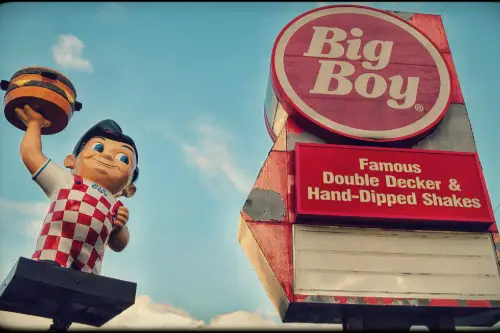
Big Boy, famous for its grinning burger-holding statue, has largely disappeared from major metropolitan areas. The remaining locations cluster in Michigan, Ohio, and a handful of Western states. Its classic diner-style menu hasn’t changed much in decades, and that’s part of its charm for longtime fans. In regions where family diners still thrive, Big Boy fills a niche others abandoned.
Inside, you’ll find red booths, laminated menus, and the same fries people remember from childhood road trips. Some locations even keep the salad bar, which feels like a relic from another era. The brand leans heavily on nostalgia because it genuinely works in places that haven’t embraced fast-casual dining. Those communities keep Big Boy alive long after it faded elsewhere.
4. Hoss’s Steak & Sea House
Hoss’s thrives mainly in small Pennsylvania towns scattered across the central and western parts of the state. Its old-school salad bar and hearty entrées fit perfectly with regions that prefer simple, filling meals. The chain never expanded aggressively, which protected it from the pressures that crushed more ambitious competitors. As a result, it remains a familiar local fixture where it still operates.
The dining rooms have that unmistakable 1980s family-restaurant vibe, complete with wood paneling and warm lighting. Regulars appreciate that nothing about Hoss’s feels rushed or trendy. In places where residents value comfort over novelty, the chain’s steady approach pays off. It succeeds by staying exactly what it has always been.
5. J.G. Whitman’s Bonanza Steakhouse
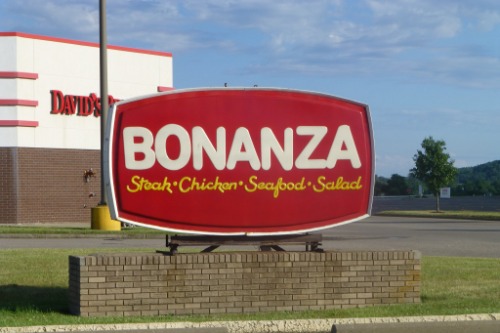
Bonanza Steakhouse, the sibling brand to Ponderosa, survives mostly in rural communities throughout the Midwest. The buffet-plus-entrée model appeals to diners who want a generous meal at a predictable price. Its remaining franchisees tend to be long-time operators who know their customers well. That familiarity gives the chain a stable base even as others in the category collapsed.
The restaurants feel like they’ve barely changed since the Clinton era. Locals appreciate that reliability, especially in areas with limited dining options. While urban diners might overlook it, Bonanza remains a weekend staple for families in quieter regions. Its endurance is tied to offering exactly what its customers expect every single visit.
6. A&W Restaurants
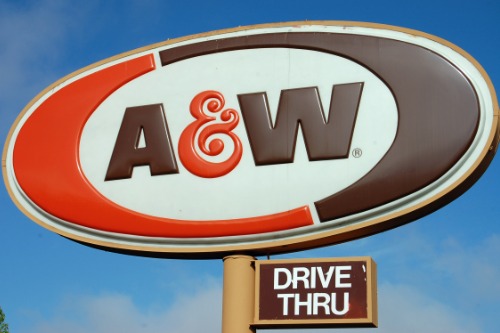
A&W Restaurants used to be a national presence, but today they thrive mostly in small towns across the Midwest and Mountain West. Many of the remaining locations are combined with gas stations or convenience stores. That setup makes them road-trip landmarks for people traveling long rural stretches. Their classic root beer and simple burger menu appeal to communities that love tradition.
Inside, the atmosphere feels like a throwback to early fast-food culture. Some locations still serve frosty mugs, which is a novelty in the modern drive-thru age. The brand’s old-fashioned approach fits perfectly in places untouched by modern fast-casual trends. A&W keeps going because it never stopped being exactly what locals wanted.
7. Western Sizzlin’
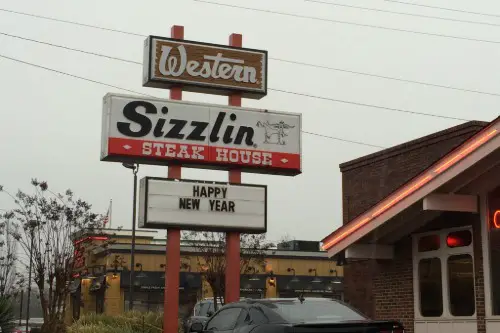
Western Sizzlin’ continues to operate primarily in the South and parts of the rural Midwest. Known for its signature “Flamekist” steaks, the chain appeals to areas where affordable sit-down meals still dominate. It once had hundreds of locations, but today it thrives mostly in smaller towns. Those communities appreciate its hearty plates and familiar format.
The décor tends to be straightforward and unfussy, echoing the chain’s practical philosophy. Diners aren’t looking for sleek branding; they’re looking for a satisfying meal. Western Sizzlin’ delivers that without trying to reinvent itself. That consistency helps it survive where other steak-buffet chains could not.
8. Maid-Rite
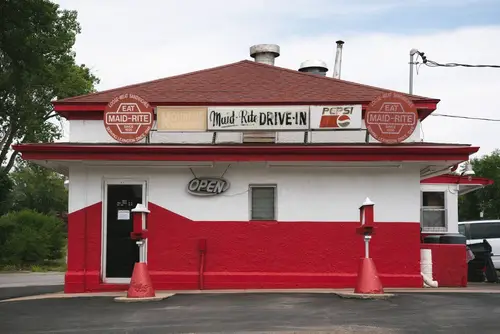
Maid-Rite, known for its loose-meat sandwiches, survives mainly in small Midwestern towns, especially in Iowa. It’s a regional favorite with die-hard fans who grew up with the distinct, crumbly sandwich style. The chain never tried to chase national trends, which kept it rooted in its home turf. That makes it a beloved staple for locals who prefer regional specialties over big-brand offerings.
Many locations look nearly identical to how they did decades ago. The nostalgia factor is a huge part of its appeal, especially among families with generational ties. In towns where tradition outweighs novelty, Maid-Rite feels almost sacred. Its niche menu keeps it alive in places that proudly stick to their culinary roots.
9. Village Inn
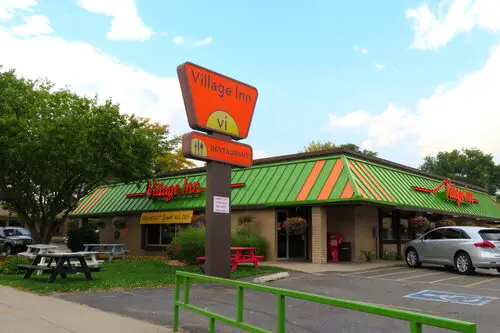
Village Inn, once widespread, now persists mainly in smaller Western and Midwestern cities. The chain’s reputation for all-day breakfast and dependable pies keeps it relevant where diners still beat out trendy brunch cafés. Many of its strongest locations are in communities with limited competition from fast-growing breakfast concepts. That local loyalty gives Village Inn more staying power than its shrinking footprint suggests.
Inside, the vibe is comfortably old-school with booths, coffee pots, and familiar servers. People come for predictability and warm service rather than cutting-edge menus. In towns where the same families eat at the same places for generations, that’s meaningful. Village Inn endures because it fits the rhythm of the communities it serves.
10. Shoney’s
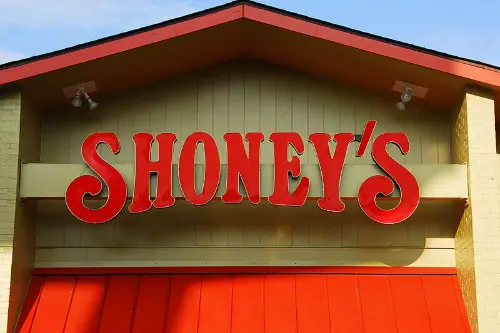
Shoney’s hangs on in pockets of the South where the breakfast buffet never went out of style. Many locations closed after the 2000s, but a loyal customer base in small towns kept the brand from disappearing entirely. The chain’s menu of comfort classics feels like a time capsule of mid-century American dining. That’s exactly why it’s still thriving in places where nostalgia sells better than trends.
You’ll still find Shoney’s near interstate exits and in communities where everyone knows the servers by name. These spots often act as unofficial gathering places, from church groups to high-school teams. The brand’s slow modernization pace oddly helps it stand out in markets untouched by fast-casual dining waves. It survives because it feels familiar in areas that value familiarity most.
11. Mrs. Winner’s Chicken & Biscuits
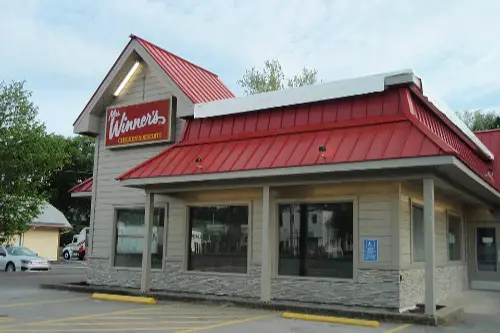
Mrs. Winner’s was once a bustling Southern chain but now survives mainly in small towns around Georgia and Tennessee. Its homestyle chicken and biscuit breakfasts resonate with regions that prioritize comfort over novelty. Most remaining locations are independently owned, which helps them stay closely tied to local tastes. That community connection keeps the brand relevant despite its tiny footprint.
Walking in feels like entering a time warp where fast-food design hasn’t changed since the 1980s. The menu is simple, comforting, and proud of its Southern roots. Locals appreciate the no-frills approach because it feels genuinely regional. That loyalty allows Mrs. Winner’s to survive in places where national chains haven’t fully taken over.
12. Roy Rogers
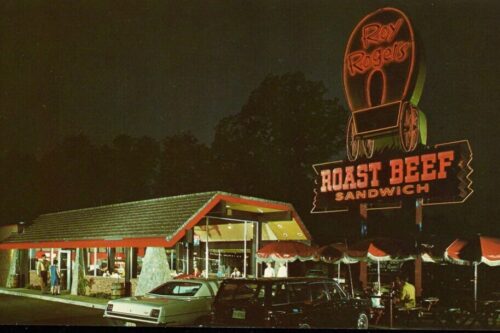
Roy Rogers, once common along the East Coast, now exists mostly in rural pockets of Maryland, Virginia, and West Virginia. The chain blends fast food with a touch of diner heritage, which appeals to communities that like classic American meals. Many locations thrive along older highway routes where travelers have nostalgic memories of the brand. That combination of familiarity and tradition keeps it alive.
Inside, the roast beef sandwiches, fixin’s bar, and cowboy-themed branding feel pleasantly retro. Families return because the menu tastes like it did decades ago. In quieter towns, that sense of continuity is a valuable asset. Roy Rogers survives by leaning into its identity rather than running from it.
This post 12 American Chains That Survive Mostly in Places Time Forgot was first published on American Charm.

