
1. Tobey Maguire
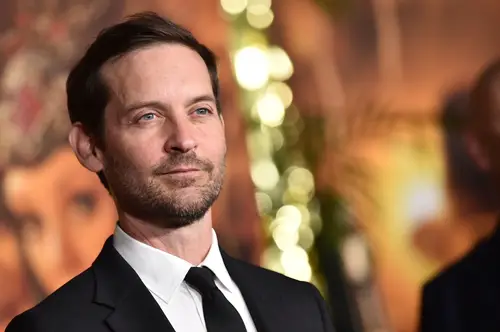
Tobey Maguire’s face was everywhere during the Spider-Man trilogy. The films defined superhero cinema for a generation and made him instantly recognizable. He could have easily continued leading major franchises. Instead, his output slowed considerably.
After Spider-Man 3, Maguire became far more selective with roles. He focused on producing and supporting parts rather than constant starring vehicles. His lower profile wasn’t due to box-office rejection. It came from choosing quality and privacy over nonstop visibility.
2. Meg Ryan

In the 1990s, Meg Ryan was the face of the modern romantic comedy. Movies like When Harry Met Sally, Sleepless in Seattle, and You’ve Got Mail made her one of the most bankable stars in America. Her public image was everywhere, from magazine covers to award shows. Then her screen presence noticeably slowed down.
Part of Ryan’s fade came from a mix of career pivots and public scrutiny. She took fewer roles after the early 2000s and gravitated toward smaller projects. A widely discussed tabloid period also cooled Hollywood’s enthusiasm for casting her as America’s sweetheart. By the time she returned to directing and acting again, the cultural moment had clearly shifted.
3. Josh Hartnett
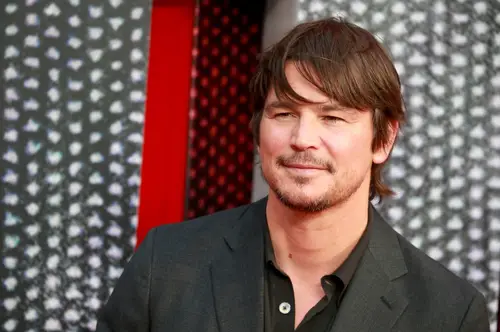
Josh Hartnett was positioned as the next big leading man in the early 2000s. He starred in major films like Pearl Harbor, Black Hawk Down, and 40 Days and 40 Nights. Casting directors, studios, and magazines all pushed him hard as a movie star. Then he intentionally hit the brakes.
Hartnett later explained that he stepped away from Hollywood to avoid being boxed into roles he didn’t want. He moved out of Los Angeles and focused on living a quieter life. For years, he chose indie films and theater over blockbusters. His disappearance wasn’t a career collapse, but a deliberate retreat.
4. Lindsay Lohan
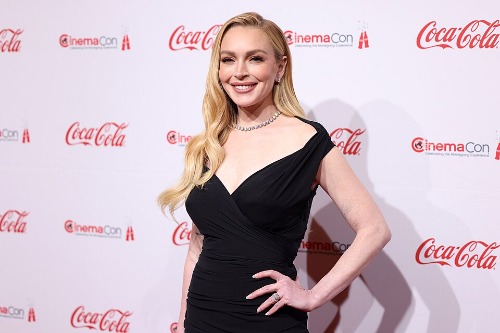
As a teen and young adult, Lindsay Lohan was everywhere. She transitioned successfully from Disney hits like The Parent Trap to mainstream successes like Mean Girls. Her acting career and tabloid presence grew at the same time, making her unavoidable. That constant exposure eventually became a problem.
Legal troubles, substance abuse issues, and missed professional commitments derailed her momentum. Studios became hesitant to insure or cast her, which sharply reduced her opportunities. While she never stopped working entirely, her leading-lady status vanished quickly. Her later comeback attempts highlight just how dramatic the drop-off once was.
5. Amanda Bynes

Amanda Bynes dominated youth-oriented TV and film in the late 1990s and early 2000s. From All That to The Amanda Show and movies like She’s the Man, she had both critical and commercial success. Her comedic timing made her one of the most recognizable young stars of her era. Then her career came to an abrupt halt.
Bynes stepped away amid highly publicized mental health struggles. She later spoke openly about her diagnoses and the toll fame took on her. Acting was no longer her focus, as she pursued education and personal stability instead. Her disappearance reflects a life shift rather than a lack of talent.
6. Frankie Muniz
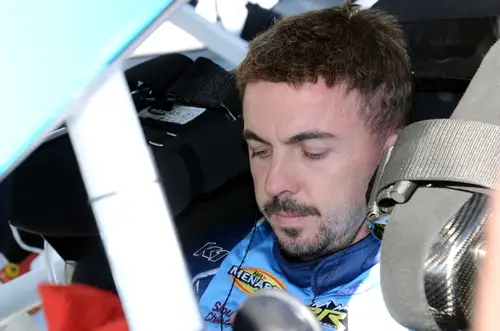
For years, Frankie Muniz was synonymous with Malcolm in the Middle. The show’s massive popularity made him one of the most famous child actors in America. He also starred in family-friendly films like Big Fat Liar and Agent Cody Banks. After the series ended, his acting career cooled rapidly.
Muniz made an unexpected pivot into professional race car driving. He also later revealed he experienced health issues, including memory problems, that influenced his life choices. Acting became a secondary priority rather than a central goal. His absence makes more sense once you realize he simply changed lanes.
7. Mischa Barton

Mischa Barton became a cultural phenomenon thanks to The O.C.. The show turned her into a fashion icon and tabloid staple almost overnight. She was booked constantly and heavily marketed as the next big thing. Then her career momentum stalled fast.
Her exit from The O.C. marked a turning point. Barton later spoke about the pressure and lack of support she experienced as a young star. Subsequent roles never matched the visibility of her breakout success. The combination of burnout and industry shifts pushed her out of the spotlight.
8. Katherine Heigl

Katherine Heigl was everywhere in the mid-2000s. Grey’s Anatomy made her a household name, and romantic comedies like Knocked Up turned her into a box-office draw. For a few years, she seemed unstoppable. Then her leading roles largely dried up.
Public comments about her projects and working conditions reportedly strained her industry relationships. She also stepped back to focus on family life for a period. Studios became more cautious about casting her in major films. The result was a very visible cooling of her once-red-hot career.
9. Taylor Lautner
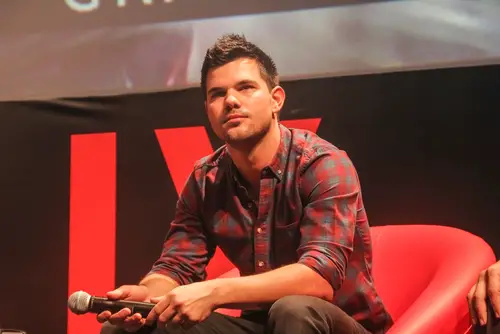
Taylor Lautner reached peak fame during the Twilight era. As Jacob Black, he was featured constantly in movies, interviews, and marketing campaigns. His fame was global and intense, especially among younger audiences. When the franchise ended, his visibility dropped sharply.
Post-Twilight roles failed to match the franchise’s scale or success. Lautner later acknowledged that the sudden fame was overwhelming. He chose to keep a lower profile rather than aggressively chase leading roles. His quieter presence reflects both industry realities and personal choice.
10. Brendan Fraser
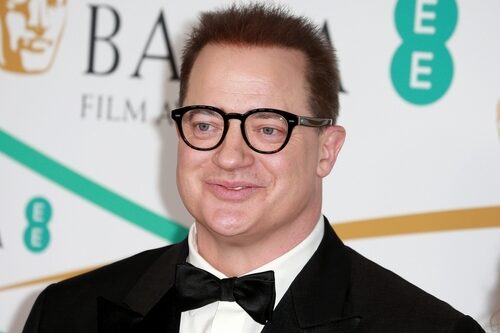
In the late 1990s and early 2000s, Brendan Fraser was a reliable blockbuster star. Films like The Mummy, George of the Jungle, and Bedazzled kept him consistently in theaters. He had a rare mix of physical comedy and action-hero appeal. Then he largely vanished from major studio films.
Fraser later revealed he suffered serious injuries from stunt work and personal hardships, including a difficult divorce. He also spoke about feeling sidelined by Hollywood during that period. His career slowdown wasn’t due to lack of audience interest. His eventual comeback highlighted how long he’d been missing.
11. Hayden Panettiere
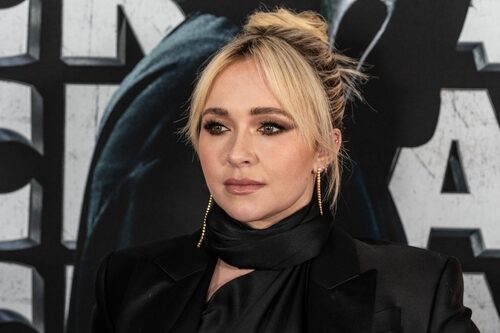
Hayden Panettiere grew up in the public eye, moving from child roles to major adult success. Heroes made her a pop culture fixture, and Nashville cemented her dramatic credentials. She was constantly working and frequently covered in entertainment media. Then she stepped back almost completely.
Panettiere took time away from acting to address postpartum depression and other personal challenges. She was open about seeking treatment and prioritizing her health. Her absence was noticeable because she had been so consistently visible. The pause reflected self-preservation rather than career failure.
12. Rick Moranis
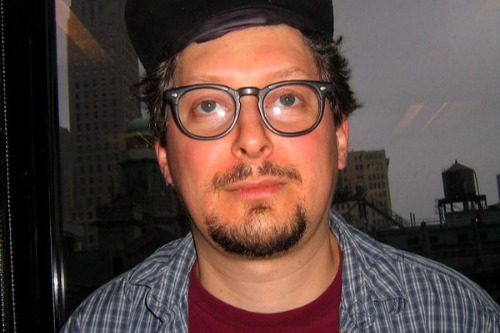
For a stretch in the 1980s and early 1990s, Rick Moranis was unavoidable in American pop culture. He anchored massive hits like Ghostbusters, Honey, I Shrunk the Kids, and Spaceballs, often stealing scenes with his nervous charm. Then, seemingly overnight, he disappeared from live-action films. The reason was deeply personal rather than professional.
Moranis stepped away from acting after his wife died in 1991, choosing to raise his children full-time. He turned down many high-profile roles during the years when his peers were doubling down on blockbuster careers. Aside from occasional voice work, he largely stayed out of Hollywood for decades. That conscious choice made his absence feel sudden, even though it was carefully planned.
This post 12 American Celebrities Who Were Everywhere Until They Suddenly Weren’t was first published on American Charm.

