
1. High-Fat, Pre-Made Biscuit Sandwiches

Pre-made biscuit sandwiches loaded with butter, sausage, and cheese were once breakfast icons. Their nutrition labels highlighted large amounts of saturated fat and calories. Health-conscious consumers reconsidered making them a daily habit. Over time, demand for the heaviest versions dropped.
Manufacturers tried leaning on “lighter” lines with leaner meats or thinner biscuits. The originals, however, were costly to keep when sales fell. Many were pulled from national distribution. Their retreat signaled a broader shift toward more balanced breakfast options.
2. Sugar-Loaded Breakfast Cereals

For decades, cereals aimed at kids leaned heavily on cartoon mascots and vague promises of “energy.” When mandatory Nutrition Facts panels arrived in the 1990s, the sky-high sugar counts suddenly became impossible to hide. Parents started paying attention, and sales for several ultra-sweet options dipped sharply. Some lines were reformulated, while others faded from shelves altogether.
Consumers also started looking at serving sizes more critically, which didn’t help these cereals. A single tiny bowl often carried nearly an entire day’s recommended added sugar for kids. That realization made many families rethink their morning routines. The decline wasn’t sudden, but it was steady once the numbers were out in the open.
3. Toaster Pastries with Frosting
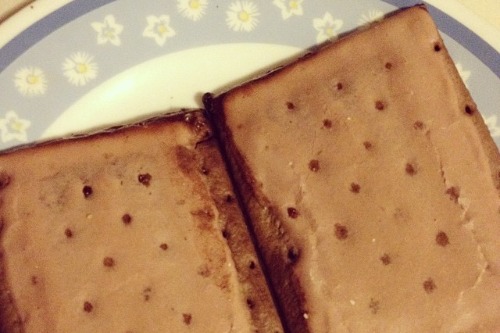
Toaster pastries enjoyed decades of popularity because they were sweet, simple, and convenient. But once nutrition labels highlighted their high sugar, fat, and calorie counts, their breakfast credibility took a hit. Busy parents who once grabbed them without thinking began to reconsider. Some varieties saw declining sales and were eventually retired.
The labels also drew attention to how little actual fruit was inside the fruit-flavored versions. That transparency shifted how people perceived them—no longer a “quick breakfast,” but more of a treat. Competing products with more protein and fiber started to look more appealing. The market left many frosted flavors behind.
4. Pre-Sweetened Instant Oatmeal Packets
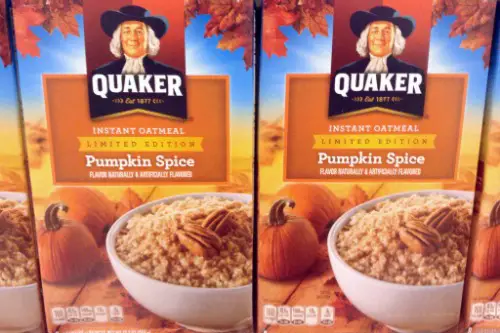
Instant oatmeal once sold itself on convenience and heart-healthy oats. But nutrition labels exposed how much added sugar was packed into certain flavored varieties. Consumers who associated oatmeal with wholesomeness didn’t appreciate realizing they were essentially eating a sugary snack. Sales of the sweetest flavors faded as healthier options took their place.
Manufacturers responded by discontinuing or reformulating high-sugar packs. Some reduced sugar levels, but the taste shifted, and loyal customers didn’t return. Others snapped up “lower sugar” offerings instead. The old-school ultra-sweet packets gradually vanished from mainstream shelves.
5. Full-Sugar Granola Clusters
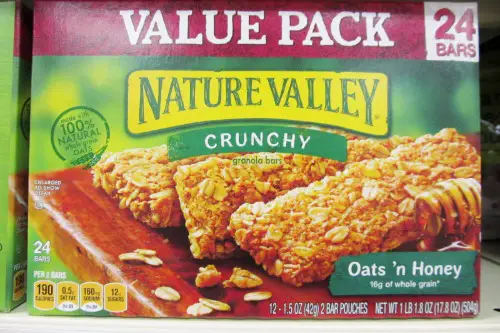
Granola had long been marketed as a “natural” and nutritious choice. When labels revealed calorie counts often higher than desserts, people were surprised. The combination of added sweeteners and oils made some varieties heavier than they looked. Sales for the densest, sweetest clusters dropped.
As consumers demanded transparency, companies scaled back flavors that couldn’t justify their nutrition numbers. Newer, lighter granolas pushed the older, sugar-bomb versions out. Some brands reworked recipes, but others simply stopped making the least healthy ones. The market favored simpler formulas with fewer added sweeteners.
6. Frozen Breakfast Sandwiches with Processed Meats
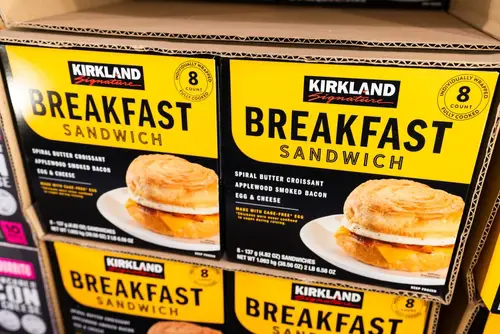
Frozen breakfast sandwiches grew popular in the 1980s and 1990s for their convenience. But nutrition labels showed eye-opening sodium and saturated fat levels. Health-conscious shoppers started paying closer attention, leading to a decline in certain meat-heavy varieties. Some discontinued lines never returned.
Reformulated versions tried to cut salt and fat, but the texture and flavor changed noticeably. Competing sandwiches with leaner proteins gained traction. Over time, the most indulgent originals lost their foothold. What once felt “hearty” now read as “too much” on the label.
7. High-Calorie Breakfast Burritos
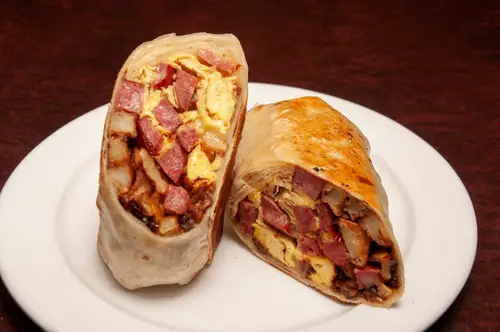
Frozen breakfast burritos marketed themselves as complete meals in one wrapper. But nutrition labels revealed how calorie-dense they were, especially those packed with cheese and sausage. Consumers looking for lighter mornings started passing them over. Many of the most indulgent versions quietly disappeared.
Efforts to create “better-for-you” burritos didn’t always land with shoppers who expected a certain flavor. Meanwhile, rising interest in fresh burritos from restaurants drew attention away from the freezer aisle. Manufacturers cut underperforming SKUs. Eventually, only the more moderate options survived.
8. Fruit Drinks Masquerading as Juice
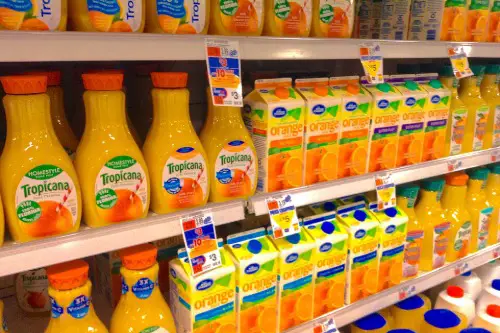
Colorful “breakfast juices” once appeared on many tables. When labels clarified that they were mostly sugar water with minimal actual juice, trust evaporated. Families began buying 100% juice or skipping juice entirely. Many of the old fruit drink varieties saw steep declines.
Brands either rebranded or discontinued flavors that couldn’t justify their ingredients. Some tried boosting real juice content, but the higher cost often hurt sales. With consumers watching added sugars more closely, the market moved on. Those bright cartons became much less common.
9. Sweetened Coffee Creamers
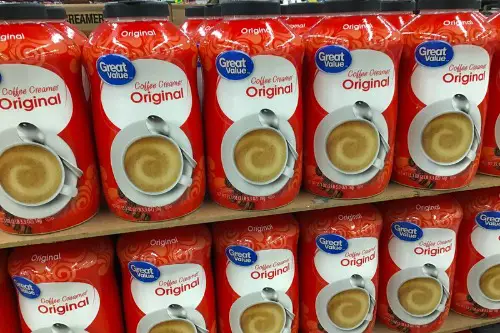
Heavily flavored coffee creamers were once breakfast staples for people who wanted café-style sweetness at home. Nutrition labels revealed large amounts of added sugar and saturated fat per serving. What looked like a harmless splash suddenly became a meaningful daily calorie load. Some of the richest flavors lost traction.
As more consumers tracked their intake, they opted for lighter or sugar-free alternatives. Brands trimmed back lines that weren’t selling. Specialty flavors with especially high sugar content were often the first to go. The shift toward simpler ingredients pushed older varieties out.
10. Microwaveable Pancake-and-Sausage Snacks

These grab-and-go breakfast snacks were convenient but nutritionally dense. Labels illuminated their high sodium, fat, and sugar counts. Parents began swapping them out for options that felt more balanced. Sales declines led some manufacturers to cut the slowest-moving SKUs.
Attempts to create “healthier” versions struggled because the original appeal was indulgence. Competitors introduced protein bars and other portable breakfasts that fit modern habits better. The old snacks became harder to find. They lingered in some stores but largely lost their mainstream presence.
11. Canned Syrupy Fruit Cups

Fruit cups once felt like a healthy side for breakfast. But nutrition labels exposed just how sugary those syrupy varieties were. Even “light syrup” versions raised eyebrows for many shoppers. Demand shifted toward cups packed in water or juice, leaving the syrup-heavy ones behind.
Manufacturers adjusted their offerings, but some discontinued flavors that relied heavily on syrup. Schools and cafeterias also moved away from the sweetest options. As consumer expectations changed, the older styles faded out. The canned aisle quietly evolved, and the syrup-based classics dwindled.
12. Full-Fat Flavored Yogurts
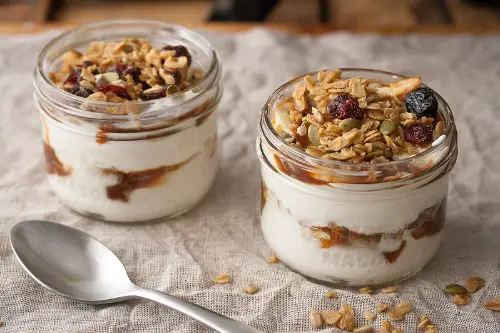
Flavored yogurts were once marketed as a wholesome, fruit-filled breakfast option. When labels showed that many contained as much sugar as a dessert, shoppers felt duped. The combination of added sugars and full-fat bases suddenly seemed less “health food” and more indulgence. Brands reacted by shrinking product lines that weren’t selling.
People shifted toward Greek yogurt and lower-sugar options, leaving the older flavored varieties behind. Some companies tried cutting sugar, but the taste changed, and demand didn’t bounce back. Others simply discontinued less popular flavors. As the market moved on, these sugary classics quietly disappeared.
13. Oversized Muffins Sold as “Healthy”

Oversized bakery-style muffins once passed as a nutritious grab-and-go breakfast. When nutrition labels revealed they contained as many calories as a fast-food meal, their reputation shifted quickly. Shoppers realized that the “bran” or “berry” labels didn’t offset the sugar and oil inside. Many consumers stopped buying them as everyday breakfast items.
Manufacturers attempted downsized portions, but the flavor often changed when recipes were adjusted. Reduced-calorie versions didn’t satisfy people used to the original sweetness and texture. As sales slipped, stores cut back on the biggest, richest varieties. The trend moved toward smaller, simpler muffins that aligned better with modern nutrition expectations.
14. High-Sugar Smoothie Mixes
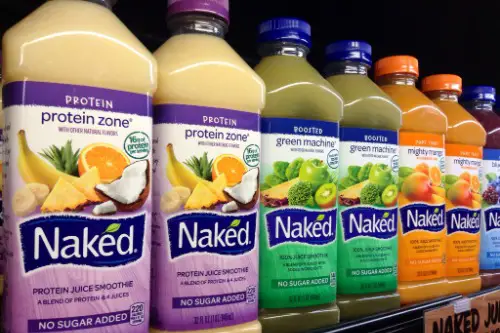
Pre-made smoothie mixes once thrived on associations with fruit and wellness. Nutrition labels exposed that many were mostly sugar and stabilizers rather than whole fruit. Consumers who thought they were drinking a vitamin-packed breakfast were surprised to learn they were essentially sipping dessert. Demand for the most indulgent blends dropped as shoppers paid closer attention.
Manufacturers tried promoting “lean” or “light” mix formulas, but those lacked the creamy appeal of the original versions. Some brands pivoted to frozen fruit-only blends, leaving older sugary mixes behind. Others simply discontinued flavors that couldn’t justify their numbers. Eventually, the high-sugar mixes faded as people chose cleaner, fresher options.
15. Pre-Packaged French Toast Sticks
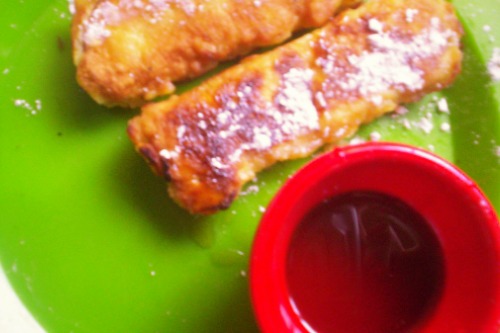
French toast sticks were once a nostalgic favorite that promised quick morning comfort. Nutrition labels, however, showed hefty doses of sugar, sodium, and fat in every serving. Parents reconsidered including them in family breakfasts once the numbers became harder to ignore. Their popularity waned as healthier freezer options gained traction.
Attempts to reduce sugar and oil content often changed the texture, leaving them less appealing. Competing breakfast items with higher protein content overshadowed their syrup-dipped charm. Retailers trimmed shelf space for the indulgent varieties first. Over time, the original sweet-and-crispy versions all but vanished.
16. Full-Fat Flavored Cottage Cheese Cups

Flavored cottage cheese cups once marketed themselves as a protein-rich breakfast option. Nutrition labels revealed that many versions relied on sugary syrups and heavy cream bases. The combination made them more calorically dense than their packaging implied. Consumers began looking for more straightforward dairy options.
Companies attempted lower-sugar versions, but the taste differences deterred loyal buyers. High-protein yogurts and skyr captured the audience that flavored cottage cheese once held. Lines with the highest sugar counts disappeared first. Eventually, the original sweetened cups became rare in mainstream stores.
17. Ready-to-Drink Breakfast Shakes with Added Oils

Portable breakfast shakes were popular with commuters who wanted convenience over cooking. Nutrition labels showed that many relied on added oils and sweeteners to achieve their creamy texture. Shoppers realized these shakes were often as calorie-heavy as a full sit-down breakfast. Interest in the richest flavors declined quickly.
Brands tried switching to plant protein blends and lower-sugar formulas, but results were mixed. Some consumers felt the new versions tasted chalky or thin. Older recipes were quietly discontinued when sales fell. With transparency increasing, shoppers gravitated toward simpler, whole-food-based beverages.
18. High-Sodium Canned Breakfast Hash

Canned breakfast hash was once a reliable pantry staple for campers and busy households. When labels highlighted extreme sodium levels and a surprising amount of saturated fat, many consumers reconsidered. What once seemed hearty began to look overly processed and nutritionally dense. Sales weakened as people opted for fresher alternatives.
Attempts to reformulate hash with cleaner ingredients proved costly and inconsistent in flavor. Grocery buyers reduced orders for the most indulgent versions. Some brands discontinued entire product lines due to low demand. Today, only lighter or specialty versions remain in circulation.
19. Pre-Made Waffle Batter in Aerosol Cans

Aerosol waffle batter once gained attention for its novelty and convenience. Nutrition labels revealed that the pressurized mix contained added sugars, preservatives, and surprising amounts of sodium. Families who once saw it as fun began to view it as unnecessarily processed. Demand dropped sharply as healthier at-home mixes became more common.
Manufacturers tried offering “natural” or “cleaner” versions, but the format struggled to shake its processed reputation. Sales continued to fall as consumers returned to traditional batters. Retailers eventually removed many aerosol varieties due to low performance. The product now survives mostly as a niche novelty rather than a breakfast staple.
This post 19 American Breakfast Staples That Vanished When Nutrition Labels Got Honest was first published on American Charm.

