
1. RadioShack

RadioShack once empowered everyday people to tinker with technology before “tech culture” was a thing. It taught generations how electronics worked, one resistor and battery at a time. The brand had cultural authority because it demystified innovation. If you wanted to build or fix something, RadioShack was your guide.
That role collapsed as consumer tech became sealed, disposable, and app-driven. RadioShack chased phone sales instead of doubling down on its maker identity. Its stores stopped feeling essential and started feeling confusing. Multiple bankruptcies later, the brand exists without the cultural voice it once had.
2. Sears

Sears was once shorthand for American retail itself, the place you went for tools, appliances, and a sense of middle-class stability. Its catalog literally shaped how people shopped across the country for decades. The brand’s authority came from trust and ubiquity, not trendiness. When Sears spoke, consumers listened because it felt permanent.
That authority quietly evaporated as stores aged, investment lagged, and competitors modernized faster. The company failed to translate its legacy strengths into e-commerce or experiential retail. By the time bankruptcy hit in 2018, Sears already felt culturally invisible. What remains today is more nostalgia than influence.
3. MTV

MTV used to decide what music, fashion, and even attitudes mattered to young people. Breaking onto MTV could make or end a career overnight. Its authority came from being a tastemaker with real gatekeeping power. Watching MTV felt like tapping directly into youth culture.
That power faded as reality TV crowded out music programming. YouTube, TikTok, and streaming platforms replaced MTV’s role in discovery. The channel still exists, but it no longer defines what’s cool. MTV now reflects trends rather than setting them.
4. Yahoo

Yahoo was once the front door to the internet for millions of Americans. It curated the web when the web felt overwhelming and new. Yahoo’s authority came from being a trusted guide in a chaotic digital world. Email, news, finance, and search all lived under one familiar brand.
Over time, Yahoo failed to innovate as quickly as Google and social platforms. Strategic missteps and missed acquisitions eroded its relevance. The brand became functional rather than influential. Today, Yahoo is used, but rarely admired.
5. Kodak
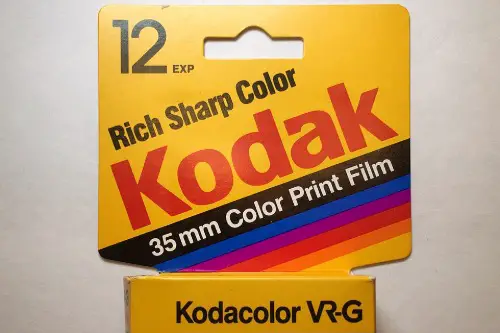
Kodak didn’t just sell film; it shaped how people remembered their lives. “Kodak moments” became part of everyday language. The company had cultural authority because it owned the emotional side of photography. It taught Americans how to see their own memories.
Ironically, Kodak invented digital photography but failed to embrace it culturally. The brand clung to film while consumers moved on. When smartphones replaced cameras, Kodak lost its place in daily life. Its name still resonates, but mostly as a cautionary tale.
6. BlackBerry

BlackBerry once symbolized seriousness, security, and professional success. Politicians, executives, and celebrities all swore by its keyboards. The brand’s authority came from owning the idea of “real work” on a phone. If you had a BlackBerry, you meant business.
The iPhone reframed smartphones as lifestyle devices, and BlackBerry couldn’t keep up. Touchscreens and app ecosystems won the cultural argument. BlackBerry’s insistence on its old strengths made it feel out of step. Its influence vanished long before its phones did.
7. JCPenney

JCPenney was a cornerstone of American malls and middle-class shopping habits. It represented reliability, affordability, and broad appeal. The brand had authority because it understood its customer deeply and consistently. Families trusted it without overthinking the choice.
That trust eroded after rapid leadership changes and confusing rebrands in the 2010s. Attempts to be trendier alienated loyal shoppers without attracting new ones. Store closures followed, reinforcing the sense of decline. JCPenney still operates, but without cultural pull.
8. Gap

Gap once defined casual American style with clean lines and confident basics. Its ads were cultural events, soundtracked by era-defining music. The brand’s authority came from making simplicity feel aspirational. Wearing Gap meant you understood understated cool.
As fast fashion and direct-to-consumer brands rose, Gap lost its edge. Styles became inconsistent, and the brand voice blurred. Collaborations and rebrands failed to fully reset its image. Gap remains recognizable, but no longer influential.
9. Abercrombie & Fitch

Abercrombie once dominated teen culture with aggressive confidence and exclusivity. Its stores, ads, and branding sent a very specific message about who belonged. That cultural authority was powerful, even when it was controversial. For a time, it defined cool for an entire age group.
Changing social values made that image untenable. The brand became associated with exclusion and outdated ideals. Although Abercrombie has since rebranded more inclusively, the old authority is gone. It now competes quietly rather than commanding attention.
10. Victoria’s Secret

Victoria’s Secret shaped mainstream ideas of beauty and sex appeal for decades. Its fashion shows were cultural spectacles, not just retail marketing. The brand’s authority came from defining what “sexy” looked like in America. It set standards that others followed.
As conversations around body image and inclusivity evolved, the brand failed to adapt quickly. What once felt aspirational started to feel narrow and out of touch. Sales declined alongside cultural relevance. Recent rebrands acknowledge the loss, but authority hasn’t fully returned.
11. AOL

AOL introduced millions of Americans to life online. Its dial-up sound and email addresses became cultural touchstones. AOL’s authority came from making the internet feel safe and accessible. For many families, AOL was the internet.
Broadband, smartphones, and social media made AOL obsolete as a gateway. The brand failed to redefine its purpose in a faster digital world. What survived was infrastructure, not influence. AOL is remembered more than it is followed.
12. Budweiser
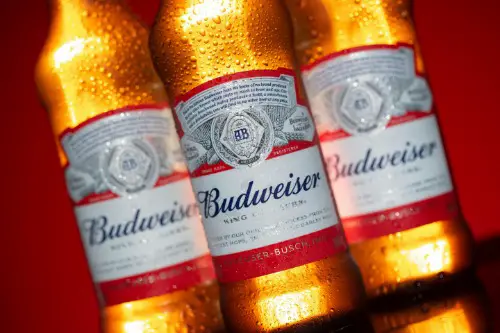
Budweiser once positioned itself as the beer of American identity. Its ads leaned heavily on patriotism, sports, and tradition. The brand’s authority came from feeling culturally central and uncontroversial. Ordering a Budweiser was almost symbolic.
Shifting drinking habits and the rise of craft beer weakened that dominance. Recent cultural flashpoints further complicated its mainstream appeal. Budweiser is still massive, but no longer unifying. Its authority fractured as culture diversified.
This post 12 American Brands That Quietly Lost Their Cultural Authority was first published on American Charm.

