
1. Santa Monica Pier, California
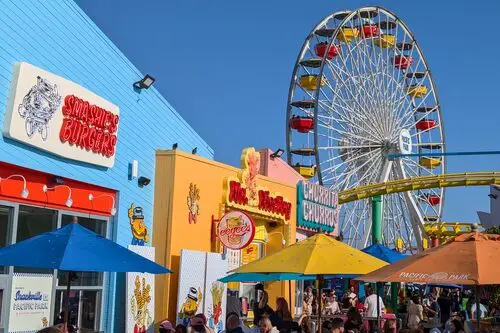
Locals tend to avoid the pier during peak hours due to crowds and traffic. The amusement rides and games are fun once, but they’re not a regular draw for residents. Most Angelenos prefer quieter beaches or coastal paths nearby. Parking alone can turn a casual visit into a headache.
The pier is heavily oriented toward visitors, with souvenir shops and carnival-style food. Prices are higher than what locals are willing to pay regularly. Residents often stick to the sand north or south of the pier. The landmark remains scenic, just not practical.
2. Times Square, New York City
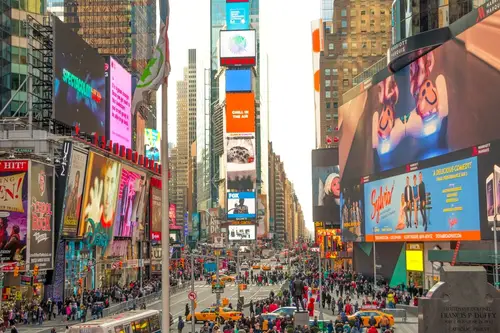
New Yorkers usually experience Times Square as something to pass through, not linger in. The flashing ads, packed sidewalks, and constant noise can feel overwhelming after about five minutes. Locals have dozens of quieter, more interesting neighborhoods they’d rather spend time in. Most only stop here when seeing a Broadway show.
The area is heavily commercialized, with inflated prices and national chains dominating the landscape. Residents joke that it’s the city’s least “New York” part of New York. Pickpocketing concerns and dense crowds also make it impractical for daily life. Once you’ve seen it lit up at night, most locals consider it checked off forever.
3. Bourbon Street, New Orleans
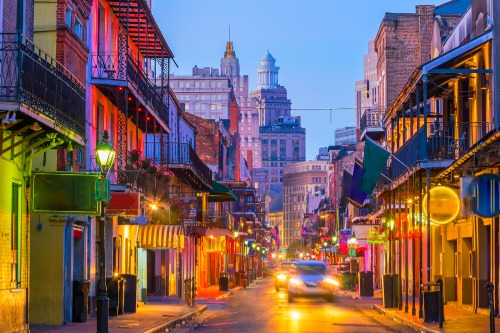
Locals often say Bourbon Street is for tourists and college kids, not residents. The street is loud, crowded, and famously sticky, especially at night. Most New Orleanians prefer bars and music venues elsewhere in the French Quarter or beyond. They know the city’s culture runs deeper than one party strip.
Bourbon Street also lacks the food and music quality locals seek. Many establishments cater to volume and speed rather than authenticity. Residents will gladly point visitors to Frenchmen Street instead. Bourbon remains iconic, but it’s rarely part of everyday local life.
4. Fisherman’s Wharf, San Francisco
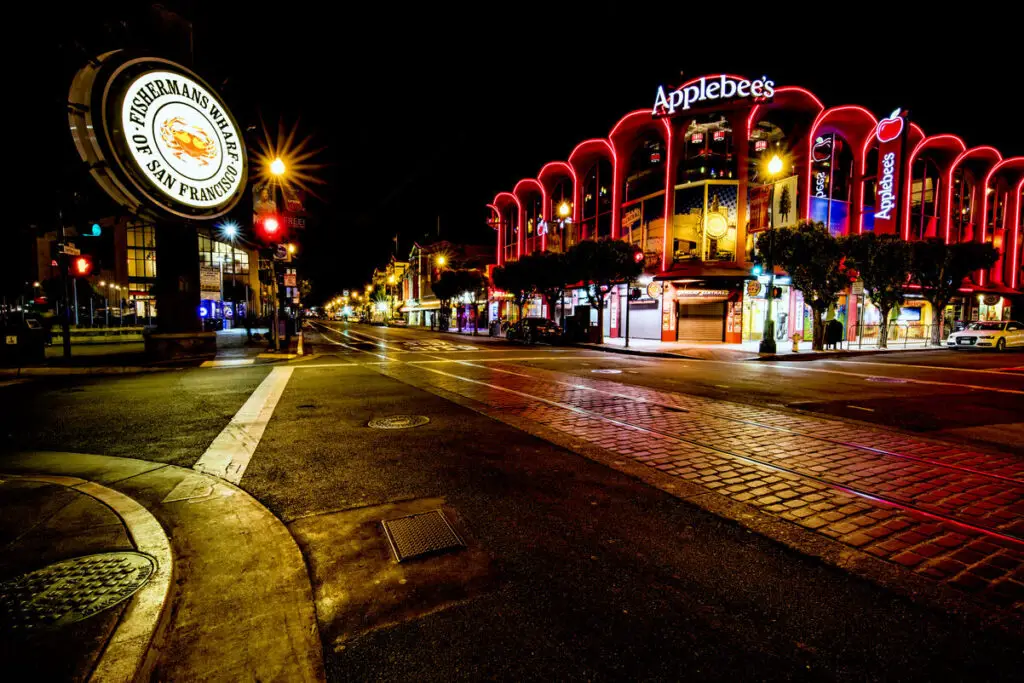
San Franciscans generally avoid Fisherman’s Wharf unless they’re escorting visitors. The seafood is pricey, the shops are kitschy, and the crowds are relentless. Locals know better spots for sourdough, crab, and waterfront views. The area feels disconnected from the rest of the city’s rhythm.
Traffic congestion and tour buses make it inconvenient to reach. Most residents prefer neighborhoods like the Mission or Outer Sunset for actual dining. Even the famous sea lions are something locals glance at once and move on from. Fisherman’s Wharf is seen as a tourist bubble rather than a community space.
5. Navy Pier, Chicago
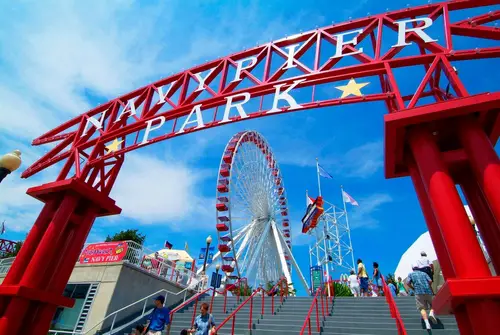
Many Chicagoans remember Navy Pier fondly from childhood but rarely return as adults. The pier is packed with tourists, school groups, and convention crowds for much of the year. Locals can get better lake views and food elsewhere without fighting the masses. It’s often described as pleasant but skippable.
The restaurants and attractions lean heavily toward chain offerings. Residents usually prefer neighborhood spots or quieter stretches of the lakefront. Parking can be expensive and frustrating. Navy Pier remains iconic, but it’s not part of most locals’ routines.
6. South of the Border, South Carolina
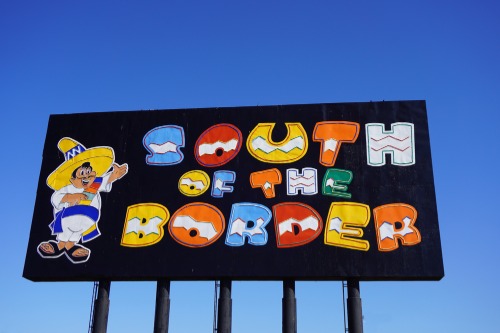
This roadside attraction is famous more for its billboards than its destination appeal. Locals who live nearby typically pass it without stopping, even if they’ve seen the signs their whole lives. The kitschy theme and dated attractions don’t inspire repeat visits. It’s largely sustained by travelers curious enough to pull over.
Many residents view it as a novelty frozen in time. Once you’ve seen the giant sombrero and souvenir shops, there’s little reason to return. Locals know better places for food and rest along I-95. The attraction survives on nostalgia and highway visibility.
7. Plymouth Rock, Massachusetts
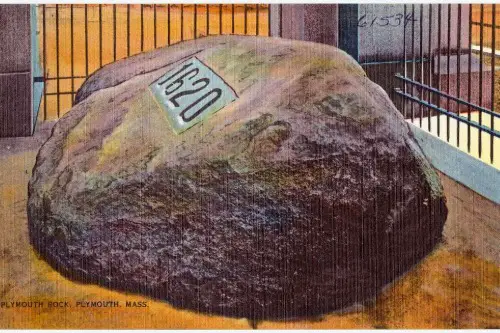
Plymouth Rock is famously underwhelming in person, and locals know it. The rock is small, fenced in, and surrounded by heavy historical interpretation. Residents often joke that it’s more myth than monument. Most visit once on a school field trip and never feel the need to go back.
Locals interested in history prefer museums or historic homes nearby. The site doesn’t offer much beyond a quick photo. Tourists often arrive expecting something grander. For residents, it’s a symbol best appreciated from a distance.
8. Four Corners Monument, Southwest
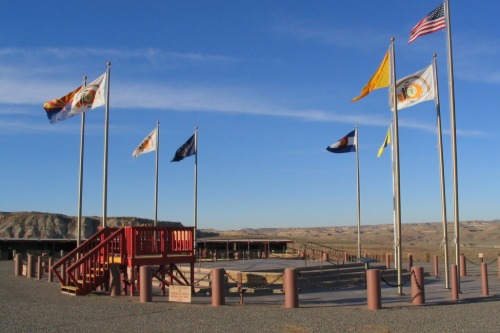
The novelty of standing in four states at once wears off quickly for locals. The monument is remote, often crowded, and surrounded by desert with little else to do. Residents of the region have typically visited once, if at all. Long lines for a brief photo opportunity deter repeat trips.
Locals are also aware of the area’s complex history and land issues. Many prefer nearby national parks or cultural sites with deeper experiences. The monument feels more like a checkbox than a destination. It remains popular primarily because of its novelty.
9. Hollywood Walk of Fame, Los Angeles
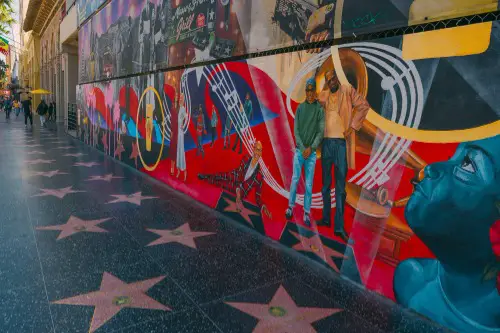
Most Angelenos went once, usually with an out-of-town guest, and never felt the urge to return. The sidewalks are crowded, the stars are harder to find than people expect, and the area can feel grimier than glamorous. Locals know that the real film history is scattered across studios and neighborhoods, not concentrated on one strip. Parking and traffic alone are enough to keep residents away.
For locals, Hollywood Boulevard doesn’t reflect how the city actually lives or works. It’s packed with souvenir shops, costumed characters hustling for tips, and chain restaurants aimed at tourists. Many longtime residents actively steer visitors elsewhere to avoid disappointment. The Walk of Fame survives on name recognition rather than local affection.
10. Las Vegas Strip, Nevada
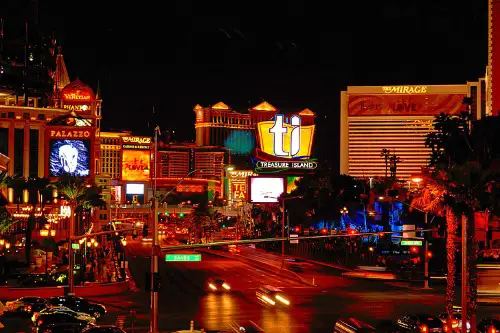
People who live in Las Vegas usually avoid the Strip unless they work there. The crowds, traffic, and constant stimulation can be exhausting. Locals have their own casinos, restaurants, and entertainment off-Strip. Many say the Strip feels like a separate city altogether.
Parking fees and resort crowds make casual visits inconvenient. Residents know where to find better odds, cheaper meals, and easier access. The Strip is designed for visitors, not everyday life. Once the novelty wears off, locals rarely return.
11. Waikiki Beach, Hawaii
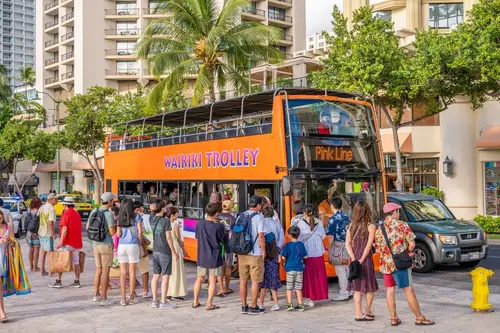
Most Honolulu residents don’t spend their beach days in Waikiki. The area is crowded with tourists, high-rise hotels, and commercial activity. Locals prefer quieter beaches like Kailua or Ala Moana. Waikiki feels more like a resort zone than a neighborhood hangout.
Traffic and limited parking further discourage locals. The sand is beautiful, but the atmosphere can feel hectic. Residents know the island has far better spots for swimming and surfing. Waikiki remains iconic, just not personal.
12. Niagara Falls Tourist Strip, New York
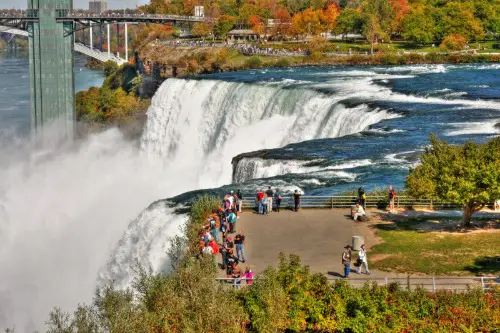
Locals appreciate the falls themselves but avoid the surrounding tourist strip. The area is packed with souvenir shops, themed attractions, and pricey restaurants. Residents know where to find better views without the crowds. Many prefer local parks or Canadian viewpoints.
The commercialization can feel excessive to those who live nearby. Once you’ve seen the falls up close, repeat visits aren’t necessary. Locals often time visits early in the morning to avoid tourists. The spectacle remains impressive, but the strip is easily skipped.
13. Mount Rushmore, South Dakota
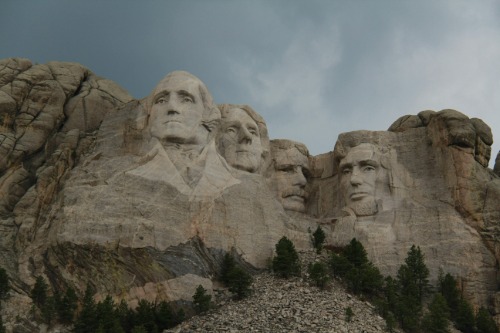
South Dakotans often visit Mount Rushmore once, usually as kids. The monument is impressive, but it’s not a frequent destination for locals. Crowds and long drives make it impractical for casual visits. Residents know the Black Hills offer many less crowded alternatives.
Locals often prefer hiking, lakes, and smaller landmarks nearby. The site is carefully managed and heavily trafficked during peak season. After the initial awe, repeat visits feel unnecessary. Mount Rushmore remains symbolic, but not routine.
This post American Attractions That Locals Stopped Visiting Years Ago was first published on American Charm.

