1. Local News Fading Out
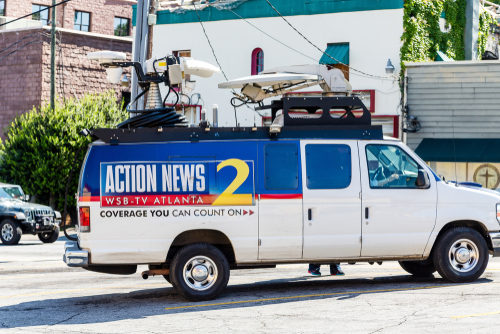
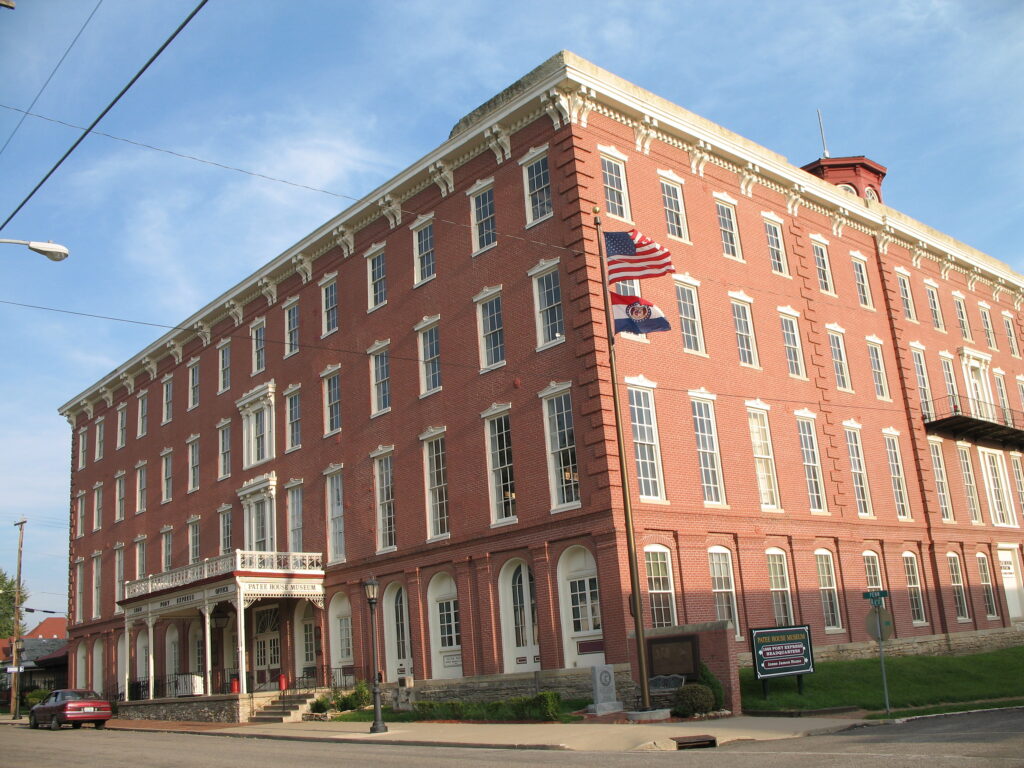
Many towns no longer have a daily newspaper or a staffed local newsroom. Coverage of school boards, zoning meetings, and courts has thinned or disappeared. What’s left is often regional or national news that misses local consequences. The result is a quieter civic blind spot.
Local reporting exists to explain how decisions actually affect neighbors. Without it, corruption is harder to spot and rumors spread more easily. Voters show up with less information and more cynicism. Democracy erodes not with a bang, but with unanswered questions.
2. Deferred Maintenance Everywhere
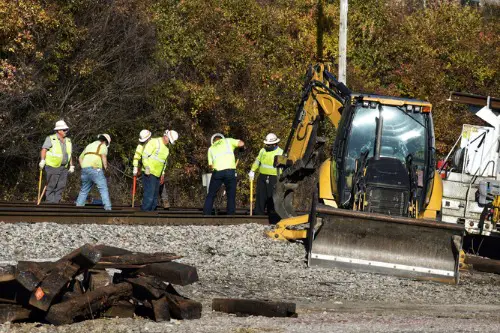
Drive on a secondary road, visit an aging school, or wait for a delayed train and you can feel it. America’s infrastructure isn’t collapsing dramatically; it’s aging past its design life. Bridges, water systems, and public buildings were built for decades, not centuries. When repairs are postponed year after year, small failures multiply quietly.
This matters because maintenance costs rise exponentially the longer fixes are delayed. A patched pipe leaks again, and a resurfaced road cracks faster the second time. Communities end up spending more to get less reliability. The wear shows up as inconvenience at first and safety risks later.
3. Housing Costs Outpacing Paychecks
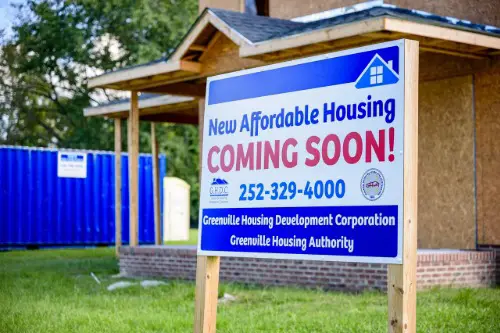
Housing has become the single biggest pressure point for household budgets. Rents and home prices have risen faster than wages in many regions. Even people with steady jobs are spending historically high shares of income on shelter. That leaves less room for savings or emergencies.
This matters because housing stability underpins everything else. Frequent moves disrupt schooling, healthcare, and community ties. Long commutes grow longer as workers chase affordability farther out. The grind feels personal, but it’s a structural squeeze.
4. Chronic Health, Not Crisis Care

The health system is excellent at emergencies and weaker at long-term prevention. Rates of diabetes, heart disease, and obesity remain high. Many conditions are managed for decades rather than cured. That creates a slow drain on energy and finances.
Chronic illness reduces workforce participation and productivity. Families shoulder caregiving alongside jobs. Insurance covers procedures more readily than lifestyle support. The country pays continuously, not all at once.
5. Learning Loss and Uneven Schools

Schools recovered from pandemic disruptions unevenly. Students in lower-income districts lost more instructional time. Teacher shortages persist in math, science, and special education. The gaps are subtle but cumulative.
Education shortfalls show up years later in earnings and civic engagement. Remediation costs more than early support. Families feel it when tutoring becomes a necessity, not a supplement. The system wears down by asking classrooms to do more with less.
6. Public Transit’s Quiet Retreat
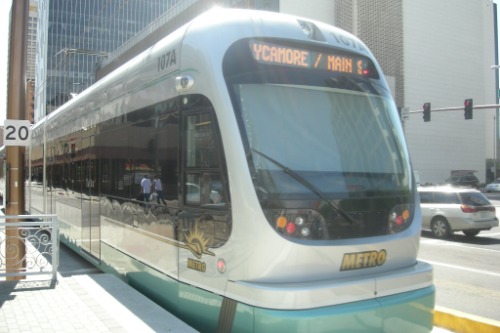
Bus and rail systems serve fewer riders than they once did in many cities. Service cuts and reliability issues push people back to cars. That feedback loop reduces fare revenue further. Transit declines without dramatic shutdowns.
Reliable transit expands access to jobs and healthcare. When it weakens, inequality widens by geography. Traffic congestion and emissions rise incrementally. The loss is felt daily, one missed connection at a time.
7. Eroding Trust in Institutions

Trust in government, media, and even science has fallen over decades. Scandals matter, but so does everyday frustration. People encounter systems that feel slow, opaque, or unfair. Confidence drains through repeated small disappointments.
Low trust makes collective problem-solving harder. Policies face resistance regardless of evidence. Compliance drops when legitimacy is questioned. The wear shows up as gridlock rather than revolt.
8. Administrative Burden Everywhere
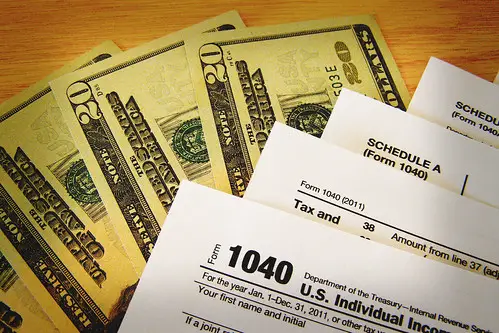
Applying for benefits, licenses, or refunds often requires multiple steps. Forms are complex and deadlines unforgiving. Digital portals promise ease but frequently confuse users. Time becomes the hidden tax.
Administrative friction disproportionately affects the poor and elderly. Missed paperwork can mean lost healthcare or housing aid. Agencies spend resources correcting preventable errors. Efficiency losses accumulate quietly across the economy.
9. Climate Costs Creeping In
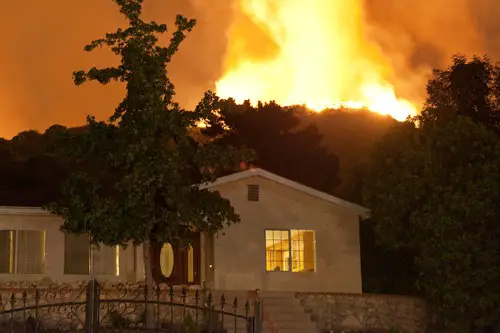
Extreme weather is becoming more frequent in many regions. Insurers are raising premiums or exiting high-risk markets. Local governments face higher repair bills after storms. The damage often looks manageable until it repeats.
Rising costs show up in taxes, insurance, and utility bills. Communities rebuild the same assets again and again. Planning lags behind changing risk. The strain is incremental, not apocalyptic.
10. Care Work and Burnout

Millions of Americans provide unpaid care to children or aging parents. Workplaces have limited flexibility for these responsibilities. Burnout rises when time off is scarce. The pressure is sustained rather than sudden.
Caregiving affects labor force participation, especially for women. Health consequences accumulate for caregivers. Productivity losses are real but hard to measure. The system relies on endurance instead of support.
11. Digital Decay and Security Gaps

Public and private systems rely on aging software. Updates are postponed to avoid downtime. Cyber incidents exploit these neglected gaps. Failures often appear as glitches before breaches.
Fixing technical debt costs more than maintaining systems regularly. Outages disrupt hospitals, utilities, and small businesses. Trust erodes when services feel unreliable. The wear is invisible until it isn’t.
This post America Isn’t Falling Apart—It’s Quietly Wearing Down was first published on American Charm.